Career
Downloads
Contact Us
Home
About Us
Overview
Leadership
Vision Mission
Clientele
Social Impact
Technology Partners
Products & Solutions
Electrical Infrastructure
Digital Infrastructure
Services
Contract Manufacturing
Industries We Serve
Knowledge Center
Blogs
Case Study
Blogs
Home
>
Blogs
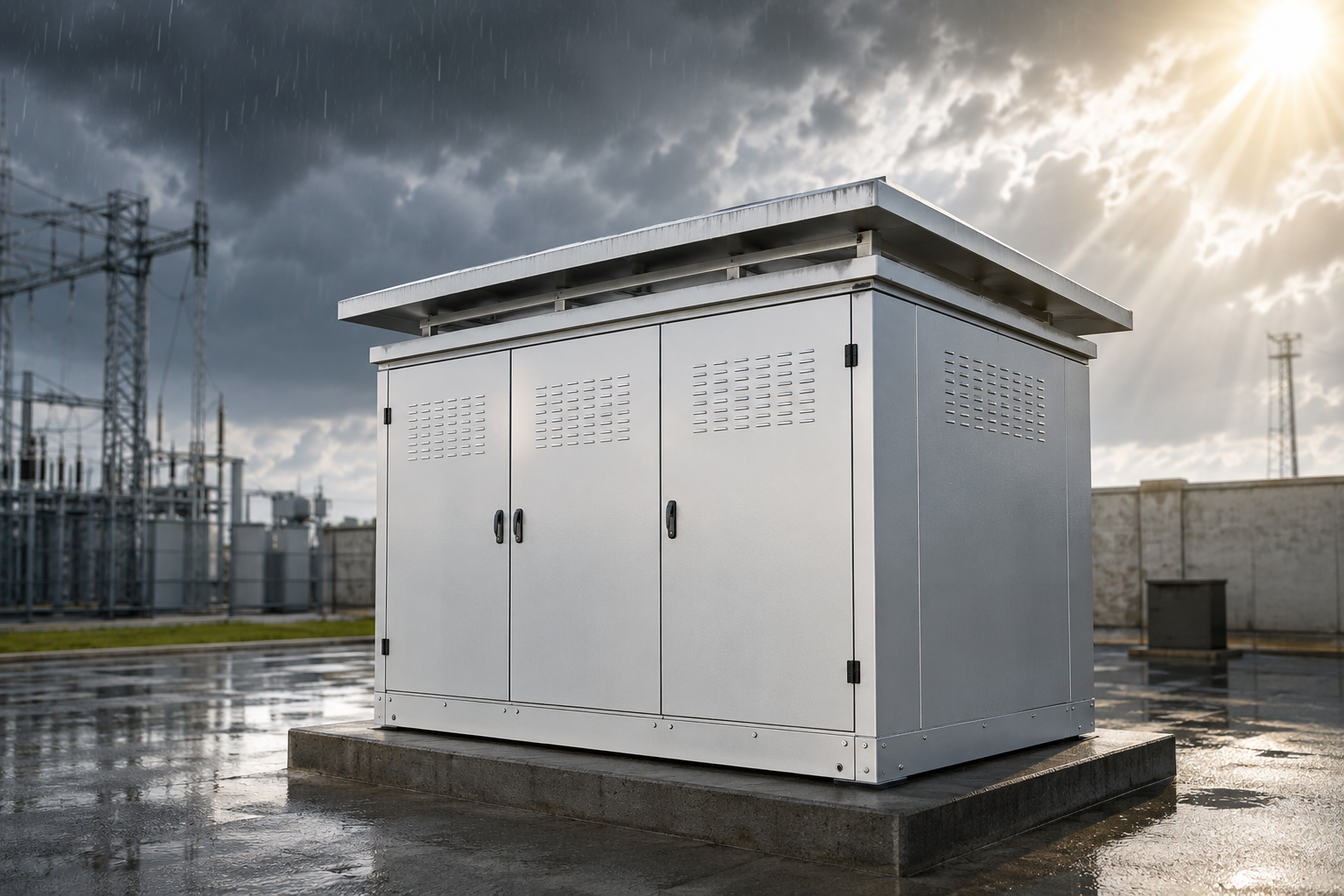
Why White, Grey, and Black Enclosures Don’t Perform the Same Outdoors
Read More
The First 24 Hours of BESS Commissioning
Read More
42U Is No Longer the Default: The Rise of 48U and Custom Racks
Read More
Why Roof Design Matters in Outdoor Enclosures
Read More
What Happens to an Enclosure After 10,000 Door Cycles?
Read More
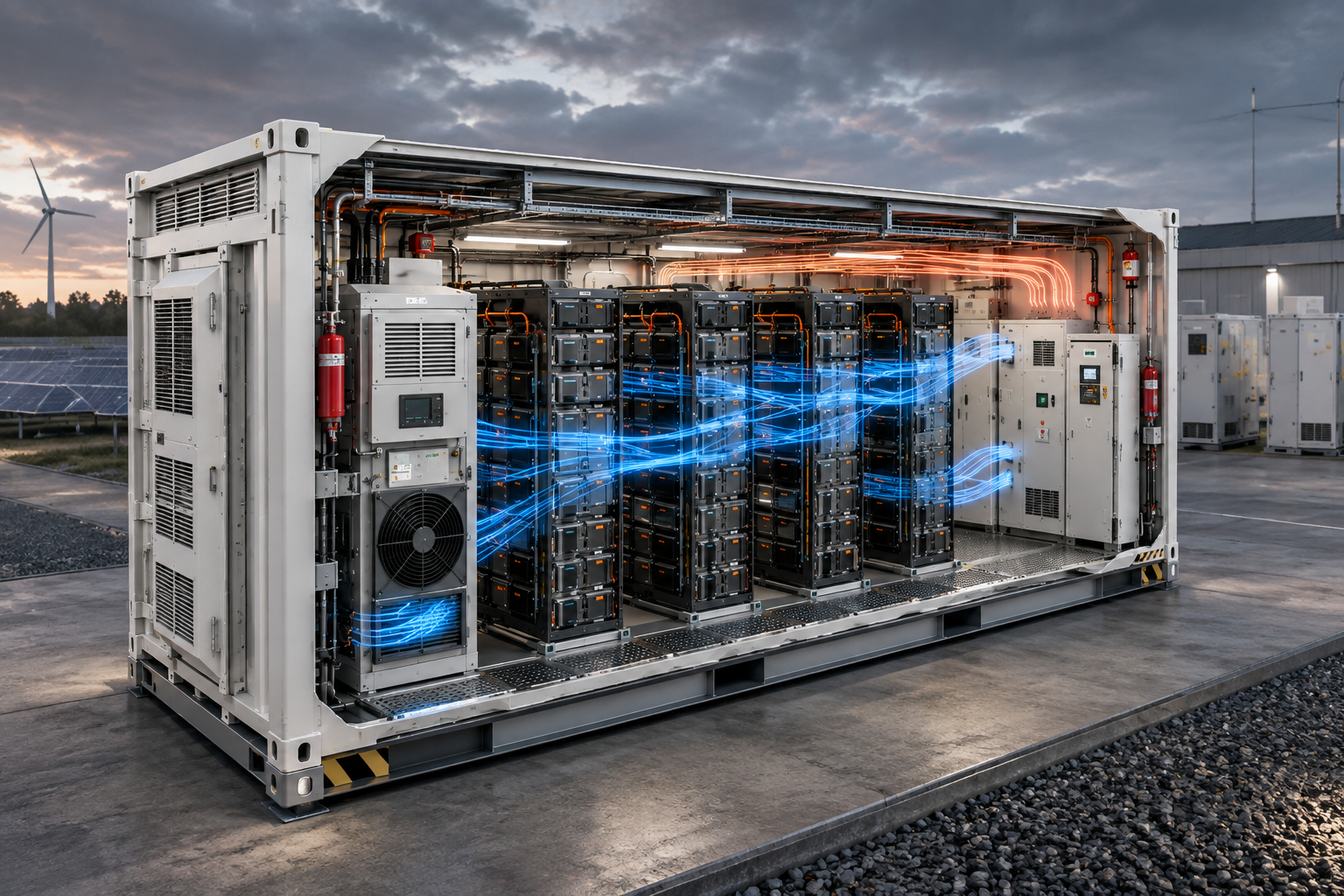
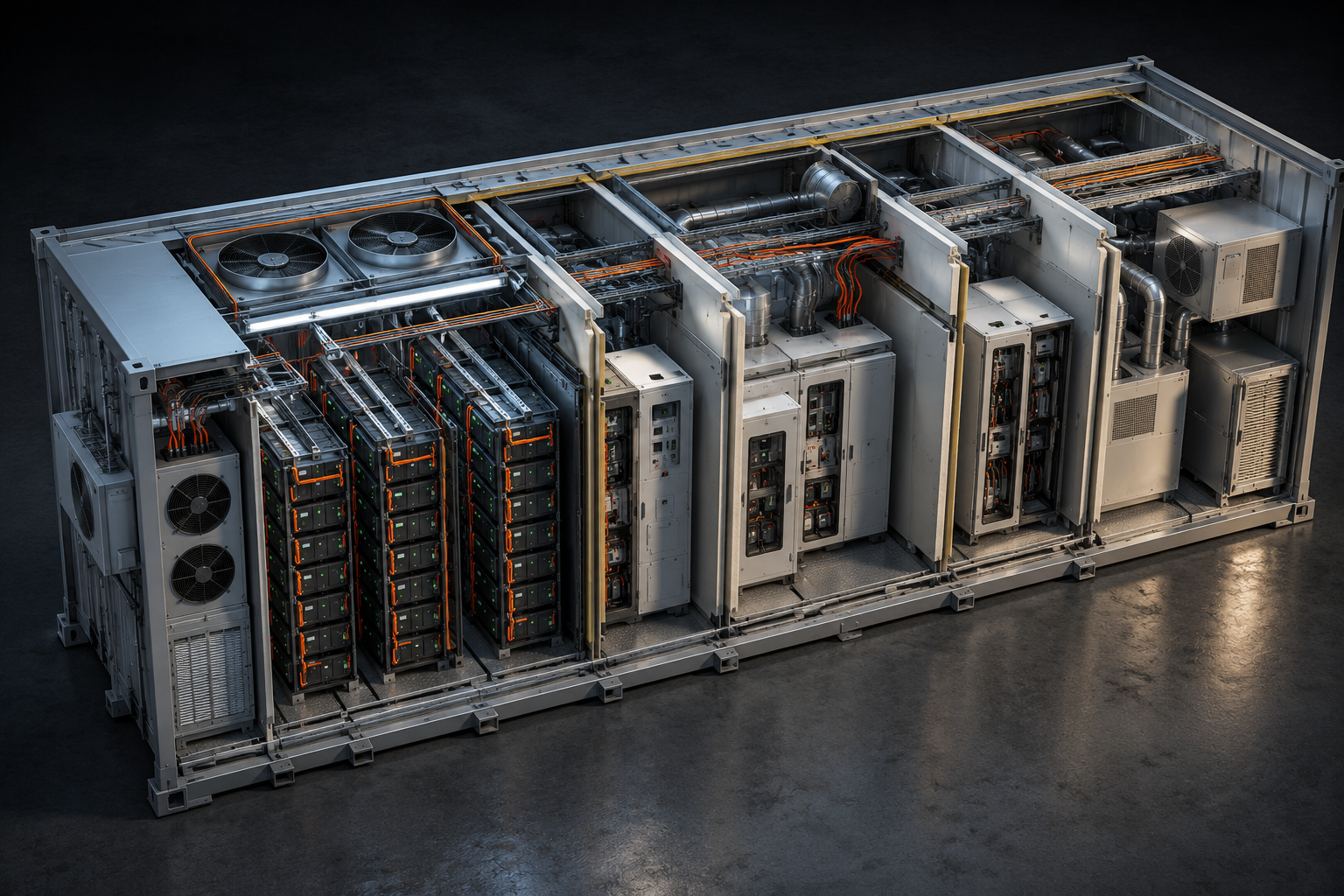
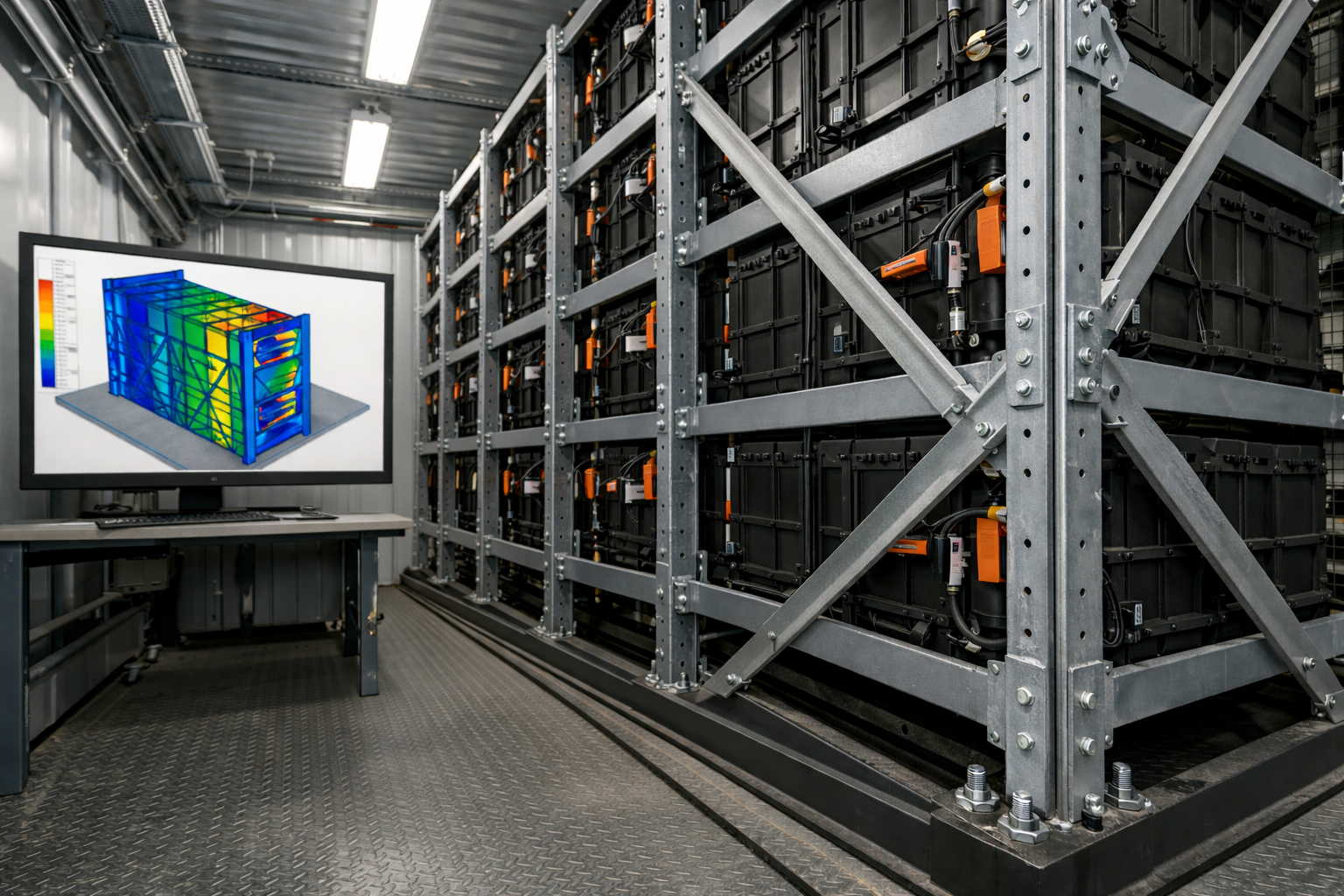
The Engineering Behind BESS Container Layout
Why Internal Equipment Placement Makes or Breaks Reliability
Read More
Why Rack Doors Can Become an Airflow Restriction in High-Density Data Centers
Read More
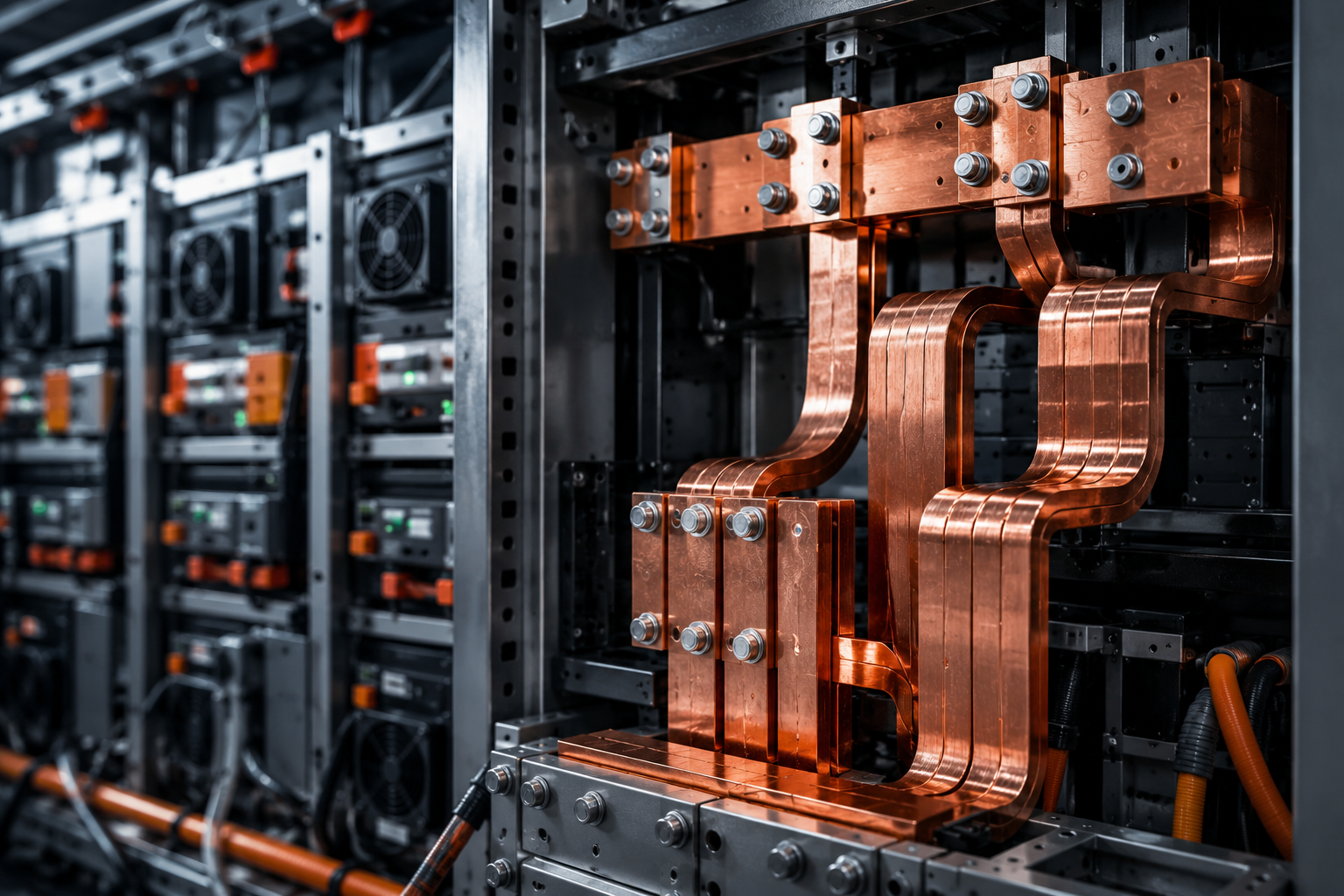
The Role of Busbar Design in High-Power BESS Systems
Read More
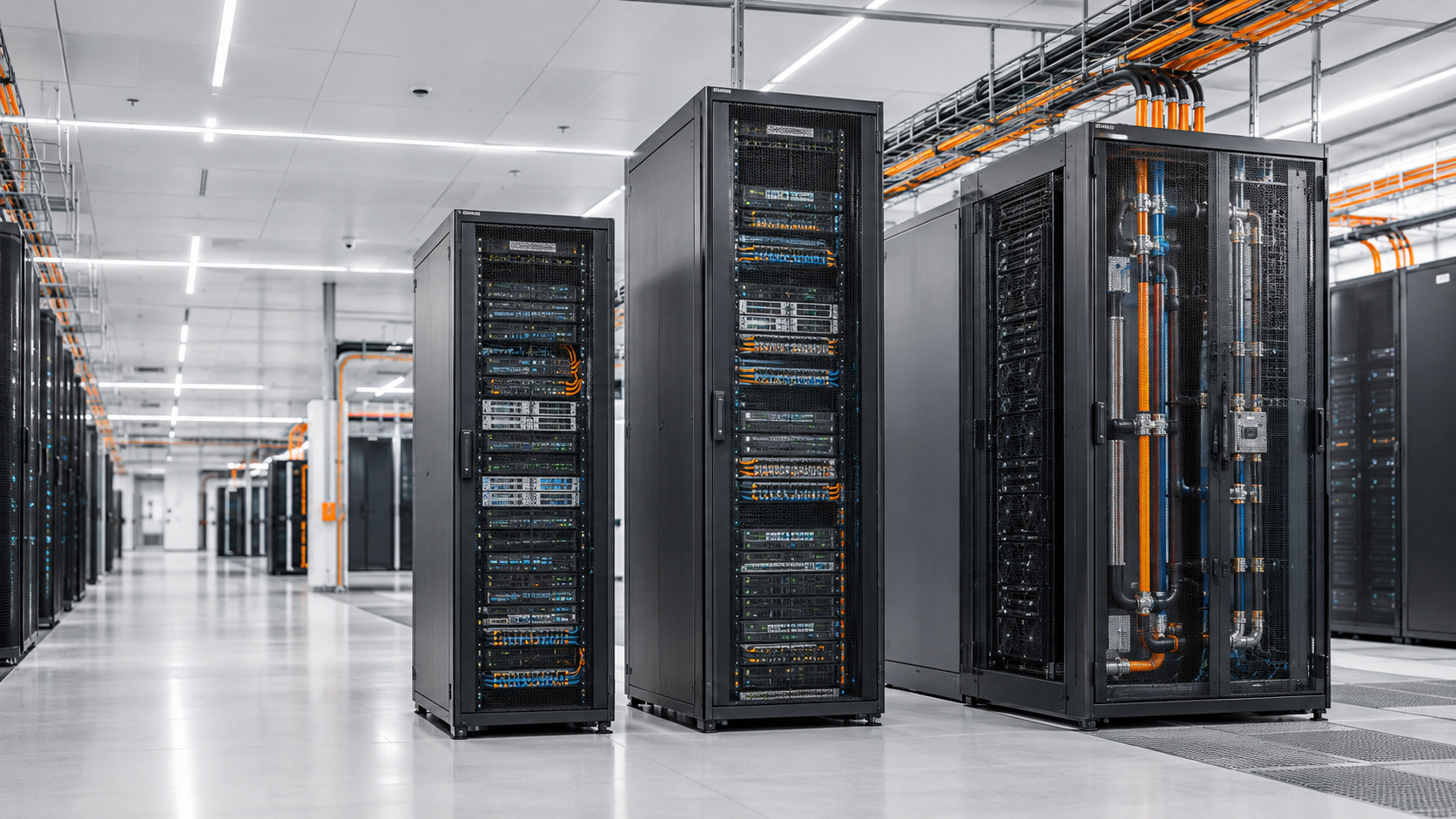
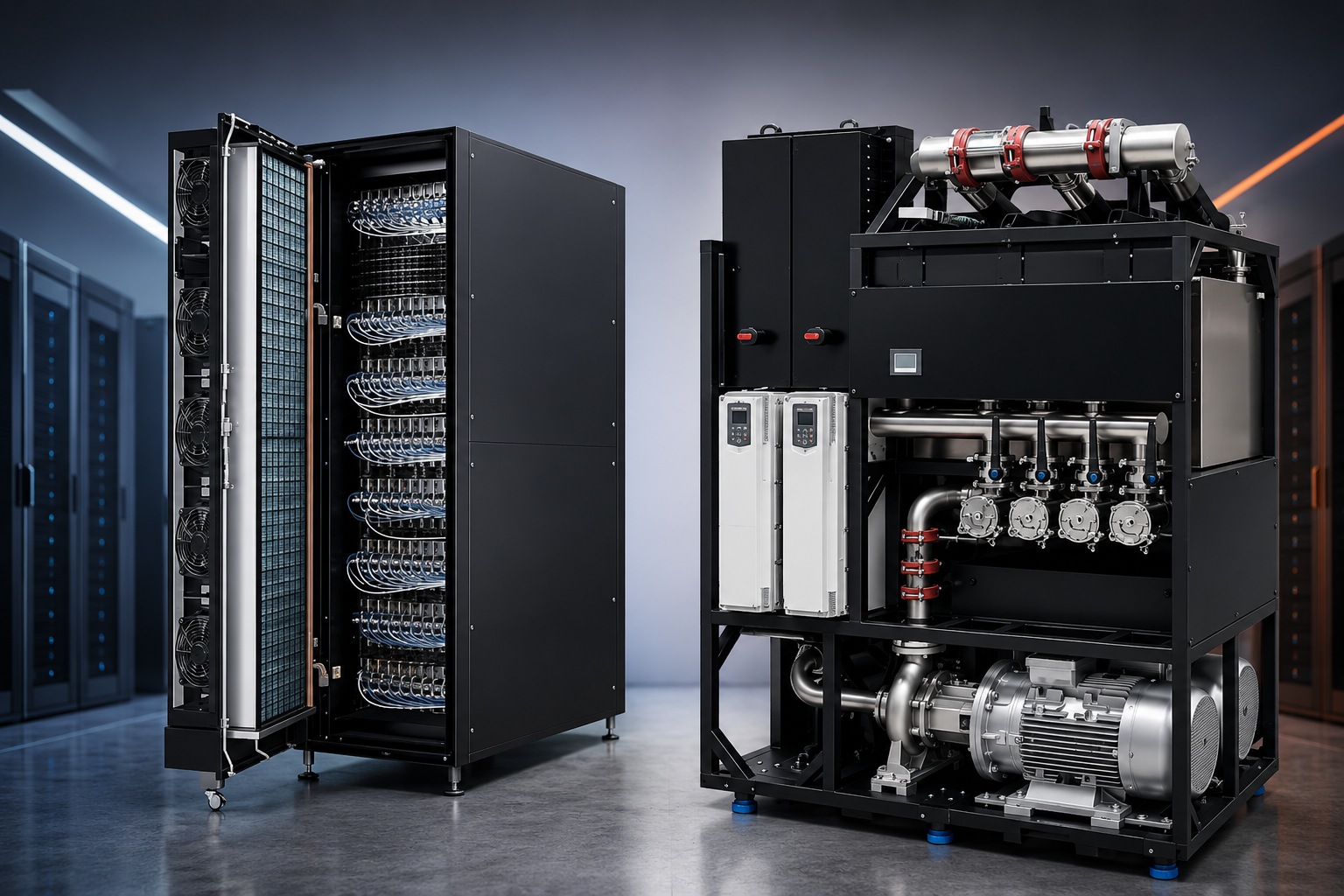
RDHx vs CDU: What's the Difference—and Why You Need BothUnderstanding the Backbone of Modern Liquid Cooling Infrastructure As AI workloads, HPC clusters, and next-generation data centers push rack densities beyond 30–100+ kW, traditional air cooling is approaching its practical limits. Liquid cooling has become the preferred solution—but many professionals still use RDHx and CDU interchangeably. They are not the same thing. One removes heat from the servers. The other enables the entire cooling ecosystem to function. Understanding how they work together is essential when designing high-density IT infrastructure. The Shift from Air to Liquid A conventional server room relies on Computer Room Air Conditioning (CRAC) units and raised-floor airflow. This works well for low to medium density deployments. However, AI GPUs, accelerated computing, and HPC applications generate heat concentrations that air simply cannot remove efficiently. This is where liquid cooling changes the game. Instead of cooling the room first, heat is removed directly at—or very close to—the source. The two key components enabling this are: Rear Door Heat Exchangers (RDHx) Coolant Distribution Units (CDU) Although closely related, they perform completely different functions. What is an RDHx? A Rear Door Heat Exchanger (RDHx) is mounted on the rear of an IT rack. Instead of allowing hot exhaust air to enter the data hall, it passes through a chilled-water heat exchanger integrated into the rear door. The hot air transfers its heat into the water, and the cooled air exits back into the room. In simple terms: Server → Hot Air → RDHx → Heat Removed → Cool Air Returned Key Benefits Supports rack densities up to 80–100+ kW Minimal changes to existing server hardware Maintains familiar air-cooled server architecture Reduces dependence on CRAC units Improves overall cooling efficiency RDHx is often the preferred first step toward liquid cooling because it requires minimal changes to existing IT equipment. What is a CDU? A Coolant Distribution Unit (CDU) is the hydraulic control center of a liquid cooling system. Rather than cooling servers directly, it manages the coolant circulating through RDHx units or direct liquid cooling loops. A CDU typically: Pumps coolant Controls pressure Maintains flow rates Regulates supply temperatures Isolates facility water from IT cooling loops Monitors system health Think of the CDU as the heart that keeps coolant flowing throughout the cooling infrastructure. Without a CDU, liquid cooling cannot operate reliably.
Read More
Engineering Change Management: The Biggest Challenge in Contract Manufacturing
Read More
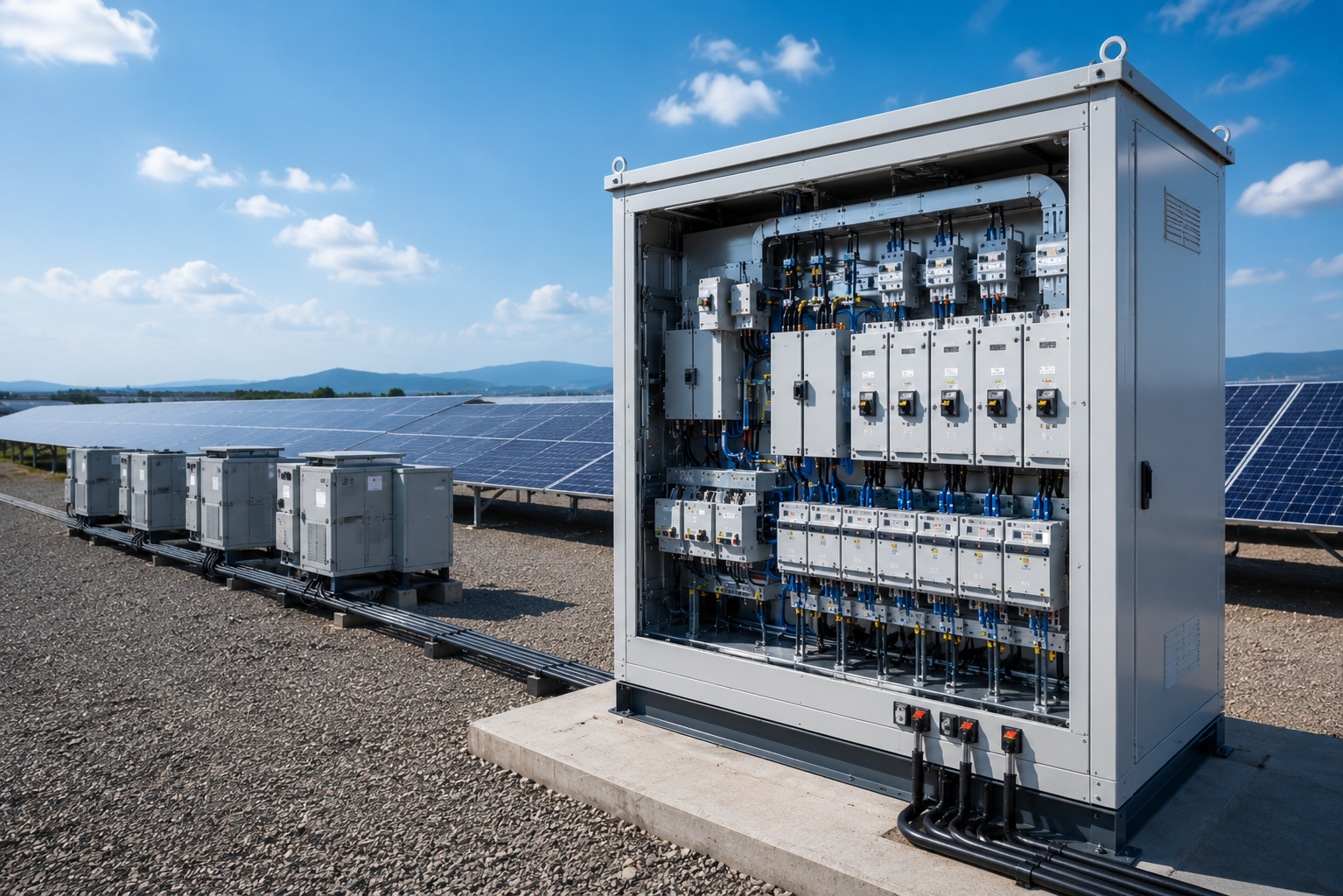
Solar ACDBs: The Most Underrated Protection Layer in Solar Power Systems
Read More
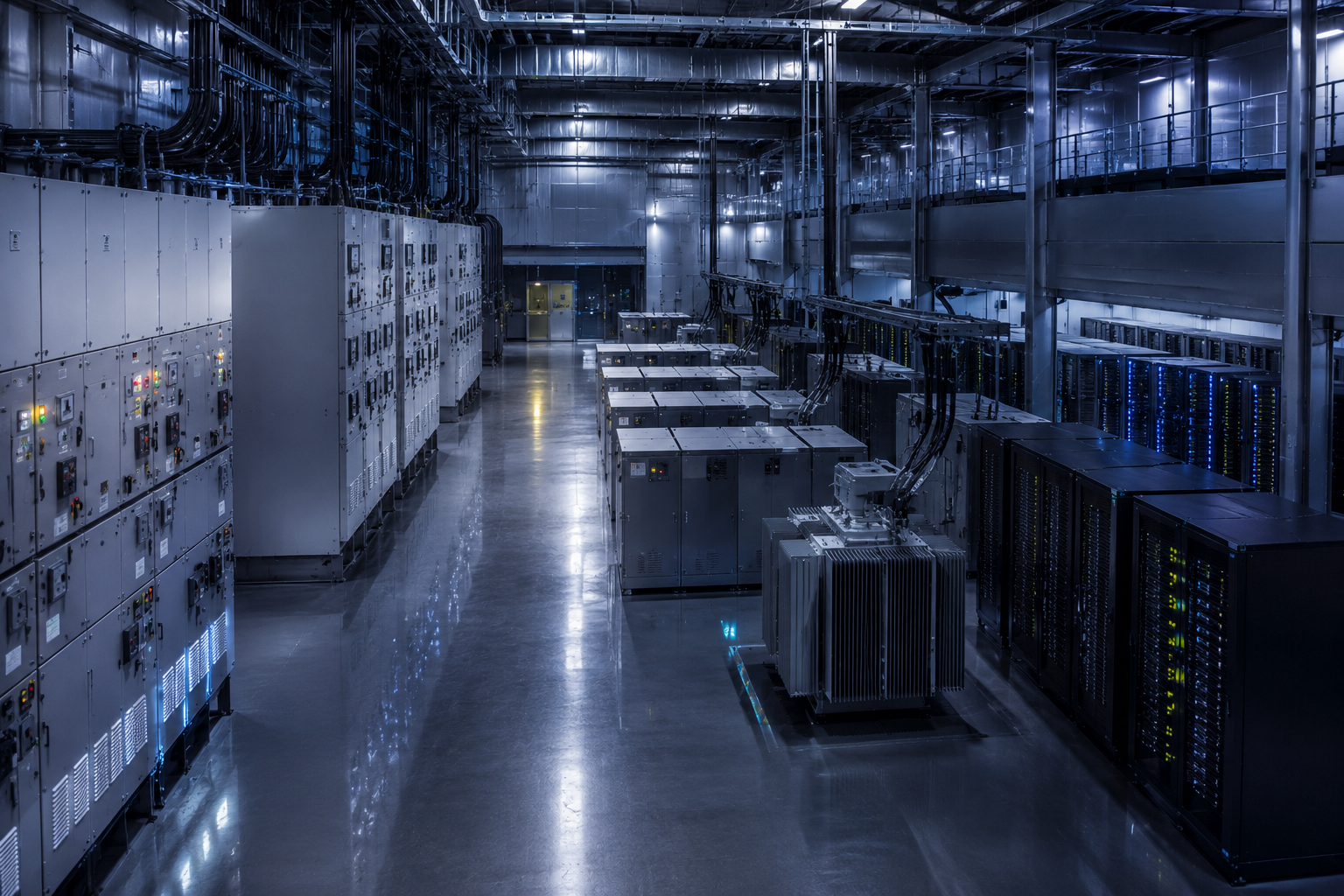
Why Electrical Rooms Are Becoming More Valuable Than White Space in AI Data Centers
Read More
Why Smart BESS Design Starts with Internal Segregation
Read More
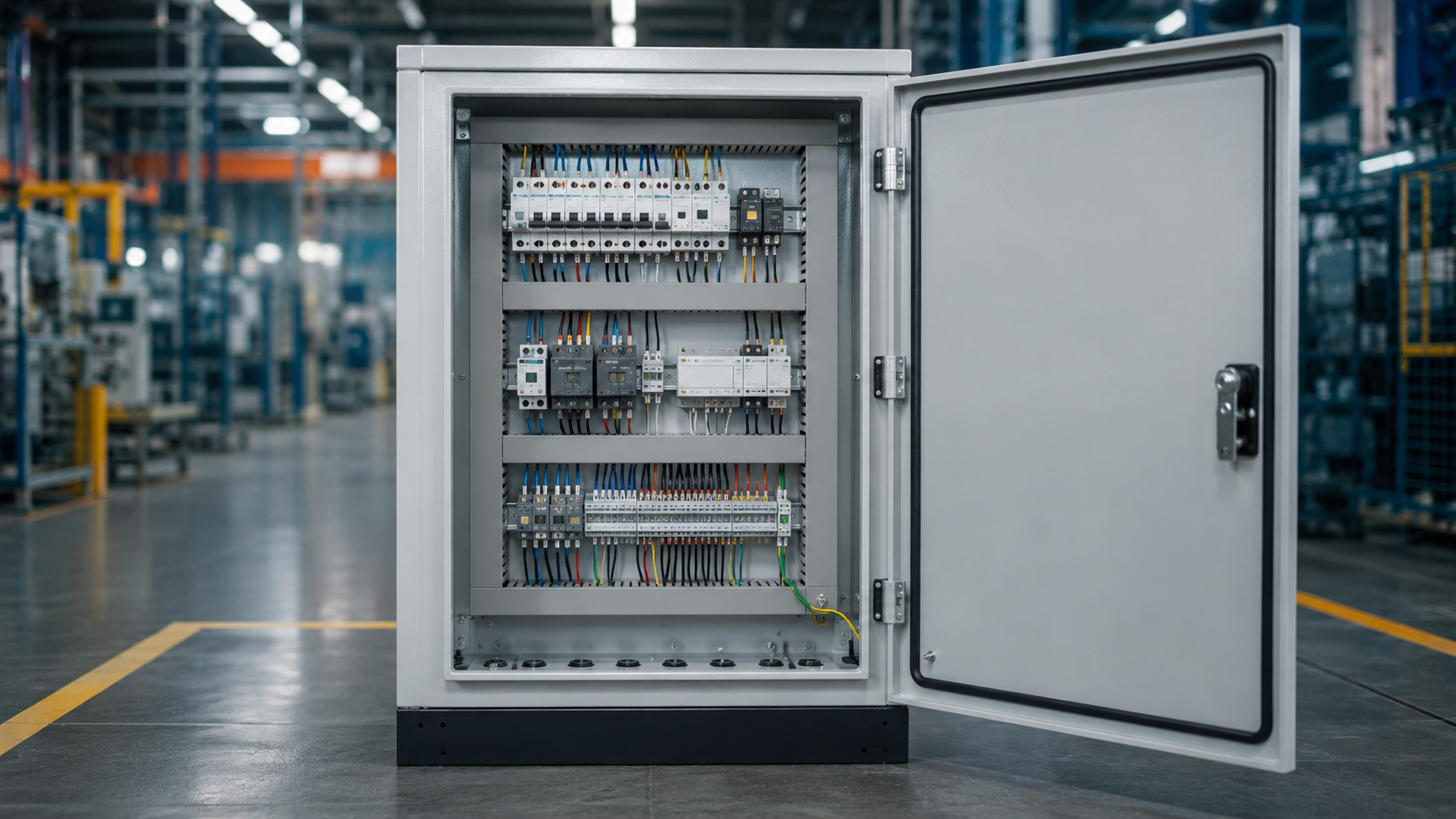
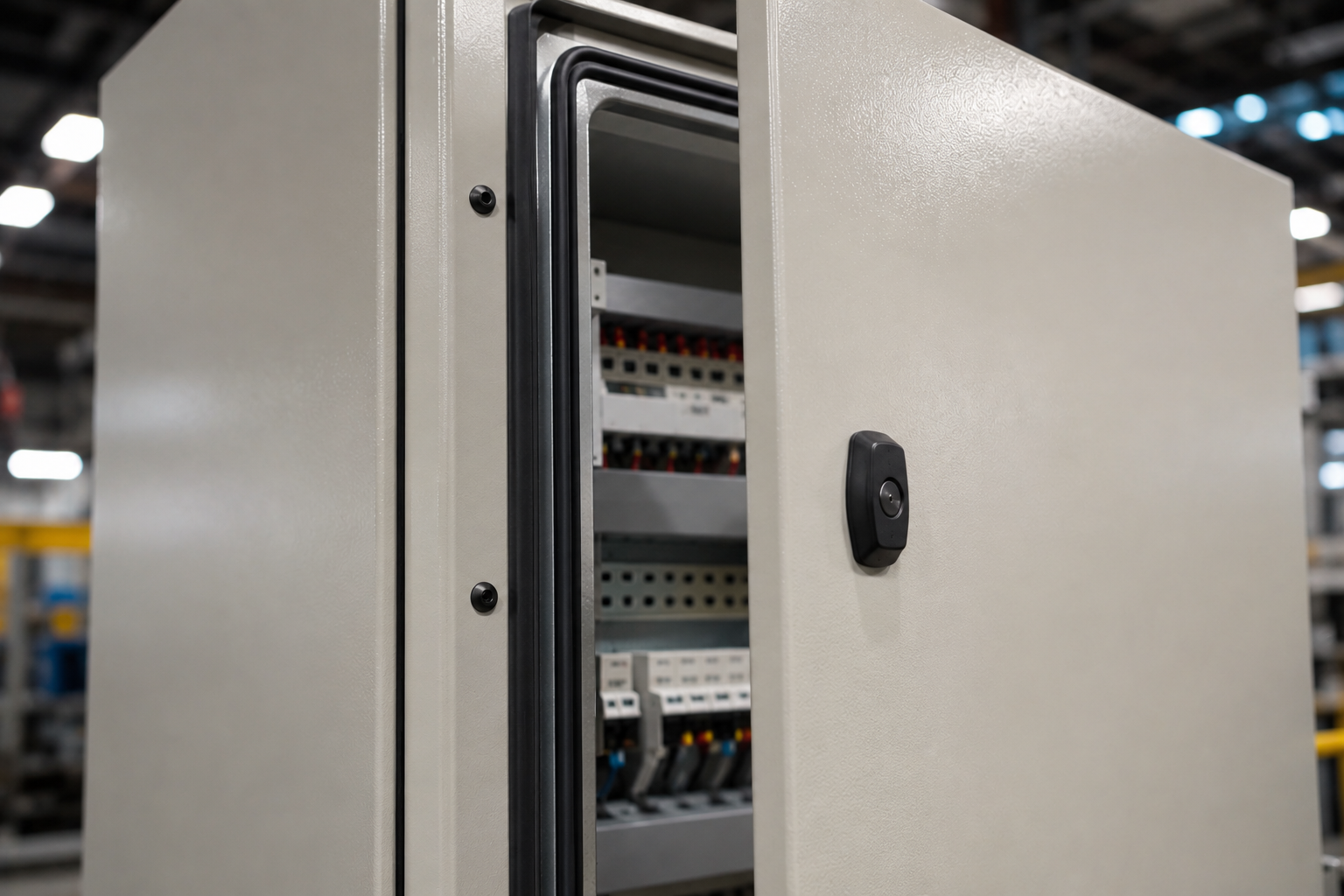
The Hidden Engineering Behind Perfect Panel Door Alignment: Why Millimeters Matter in Industrial Enclosures
Read More
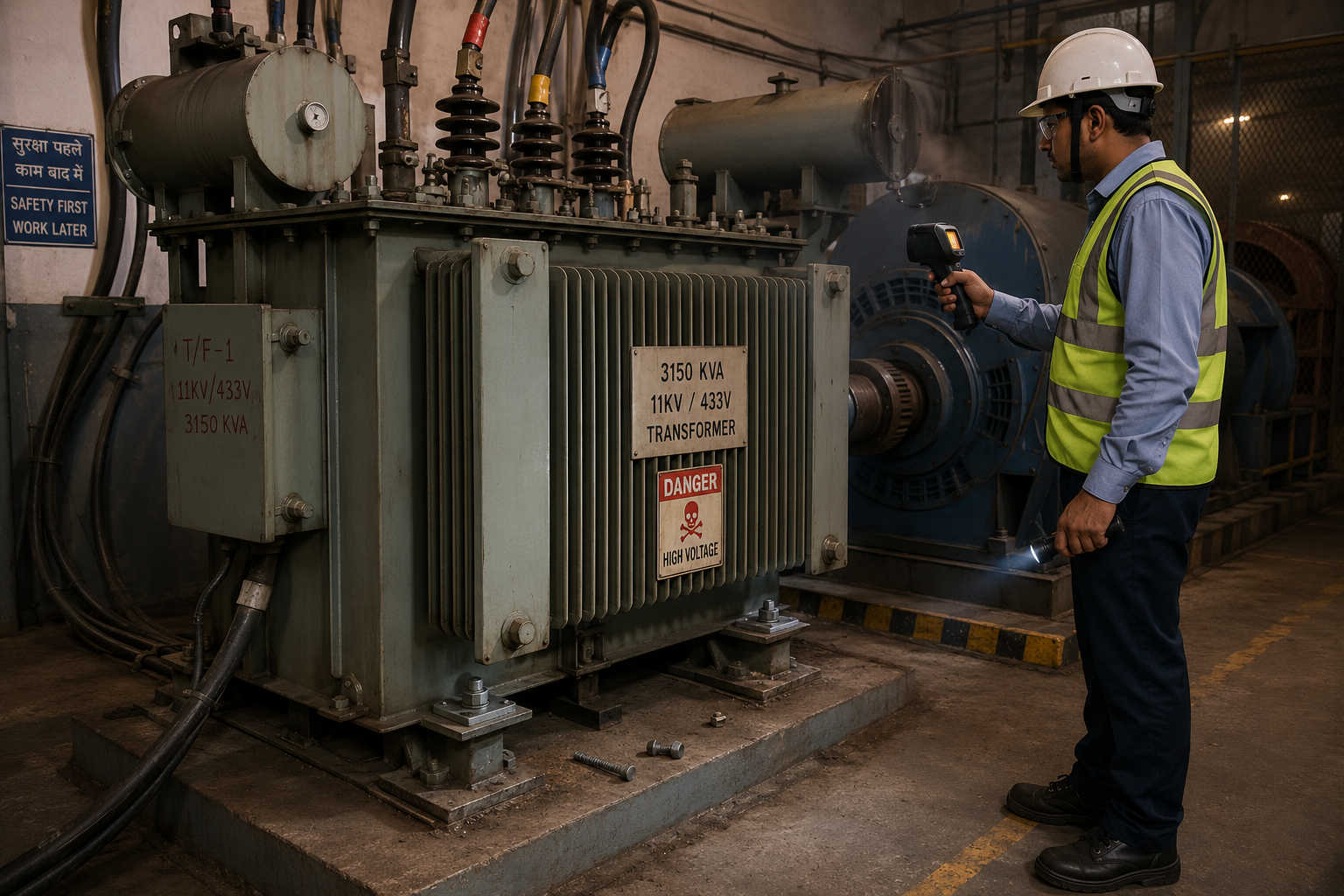
How Vibration Silently Destroys Electrical Infrastructure Over Time
Read More
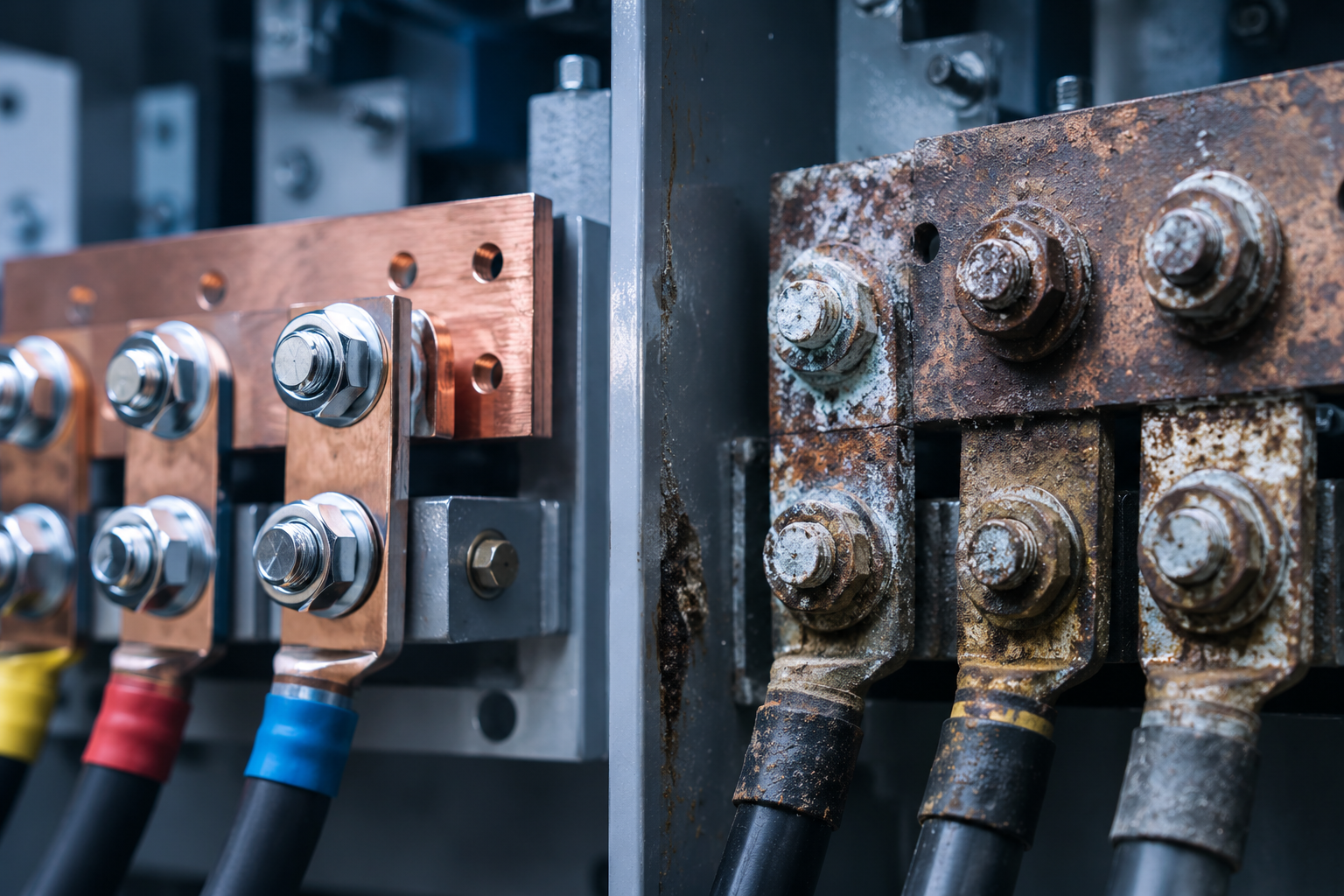
The Risk of Improper Fastener Selection in Electrical Panels
Read More
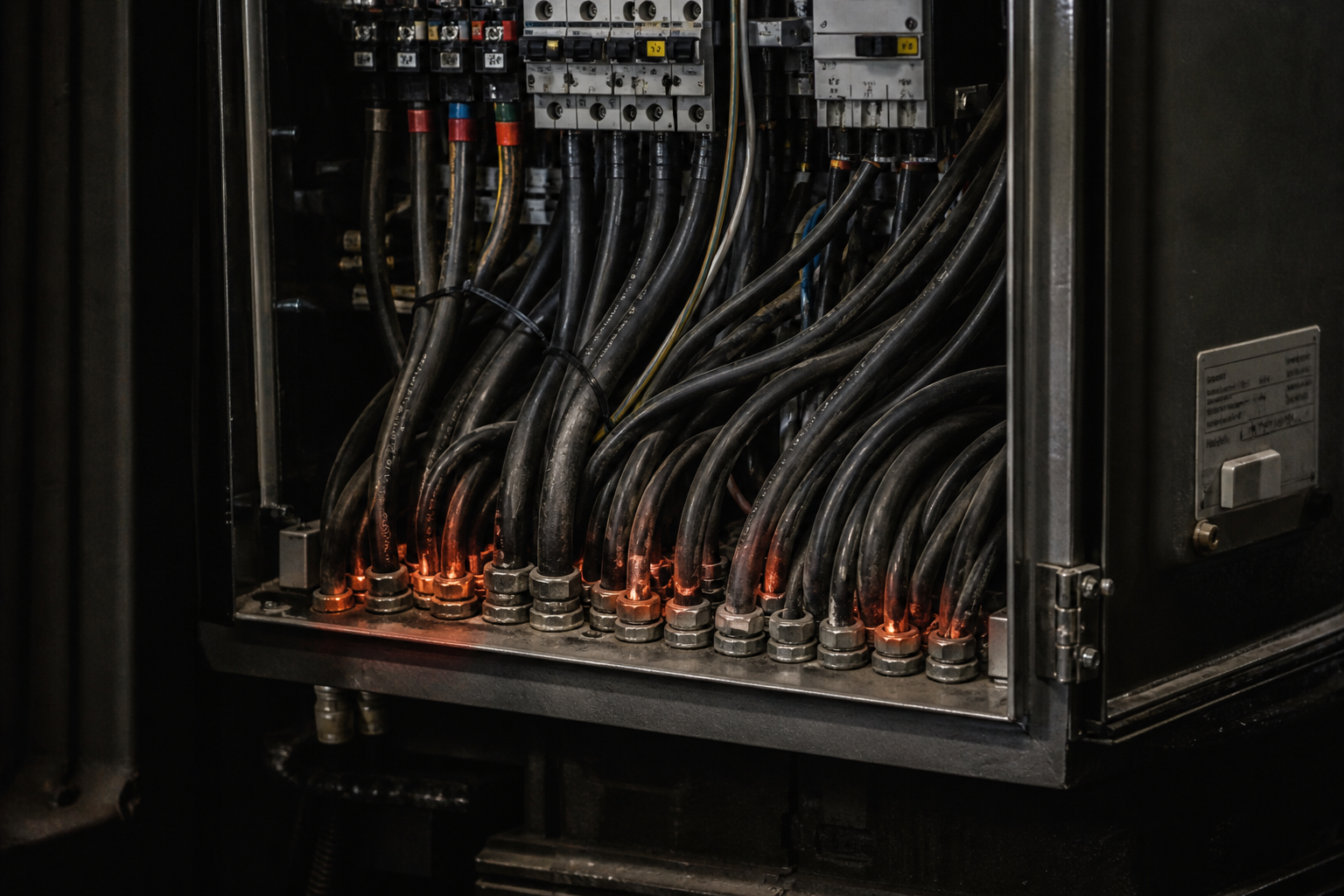
Cable Entry Chaos: The Problem with Standard Gland Plates in High-Density Panels
Read More
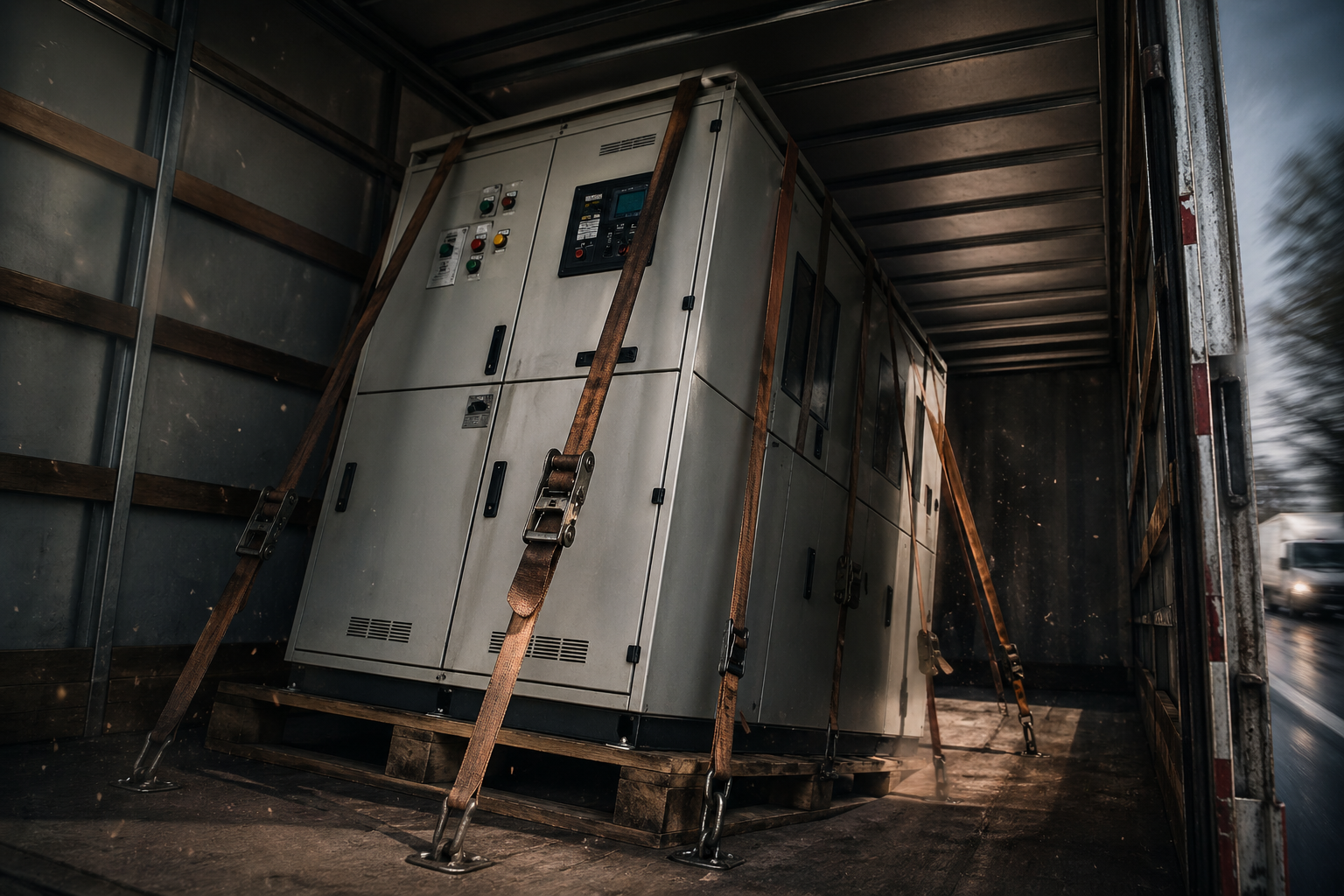
Panel Transportation & Handling — The Hidden Damage Phase
Read More
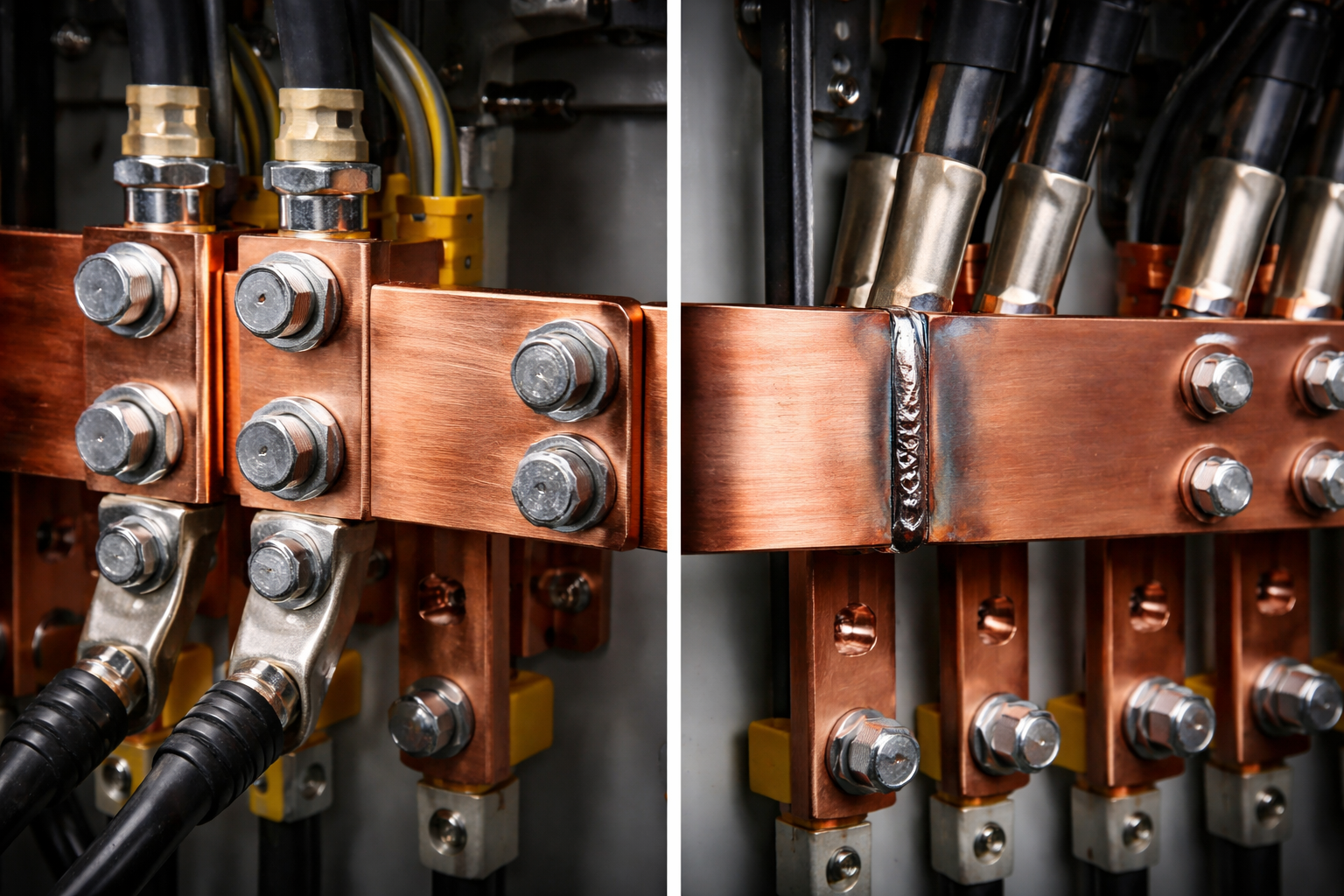
Bolted vs Welded Busbars: Serviceability or Structural Integrity?
Read More
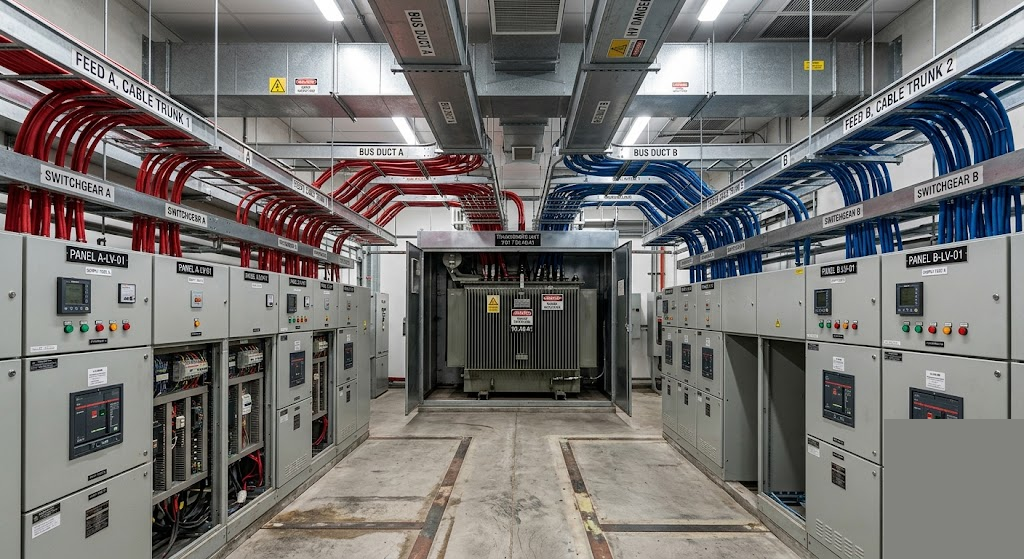
The Redundancy Myth: How A+B Power Systems Still Hide Critical Single Points of Failure in Data Centers
Read More
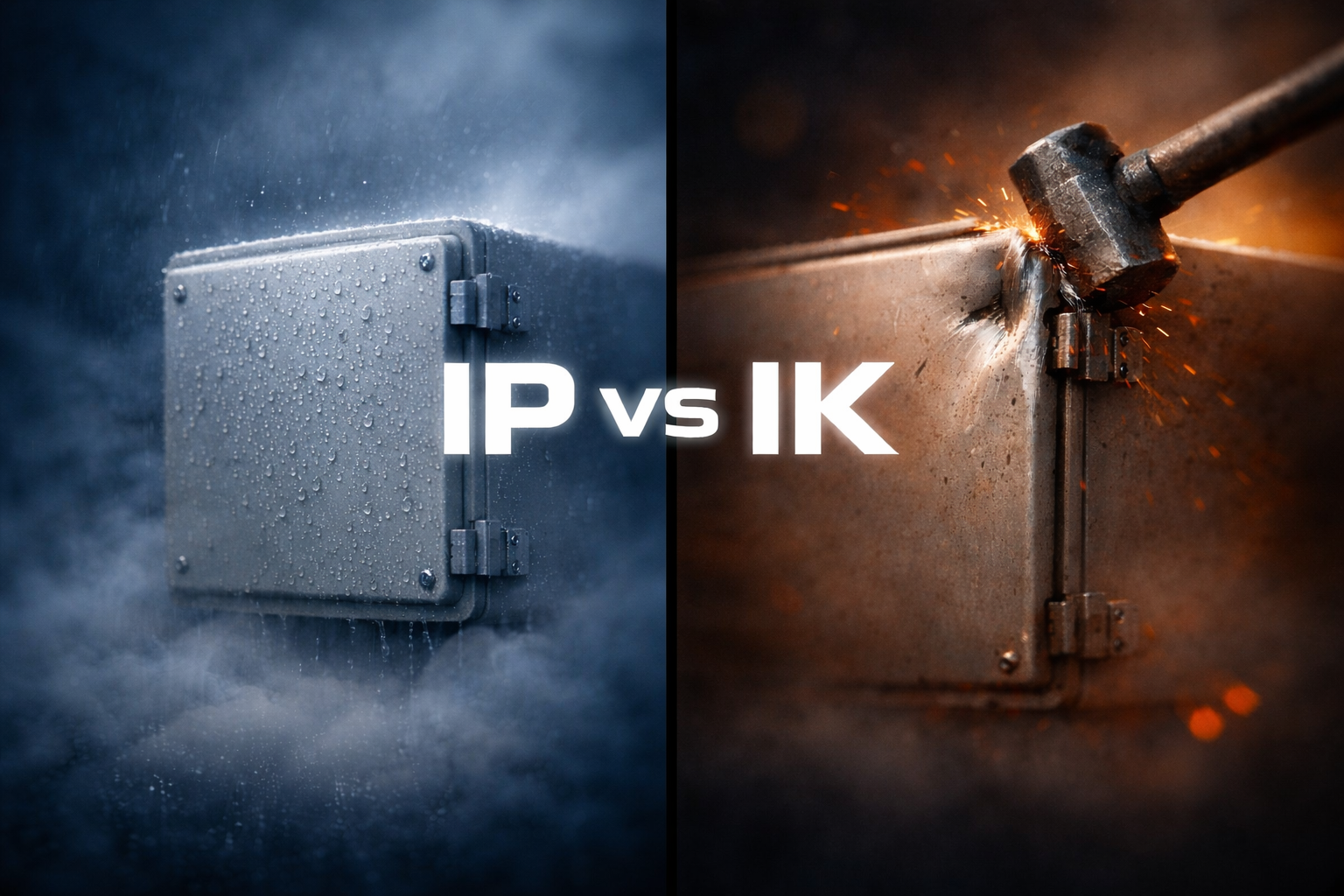
IP Rating vs IK Rating — The Overlooked Mechanical Protection Gap
Read More
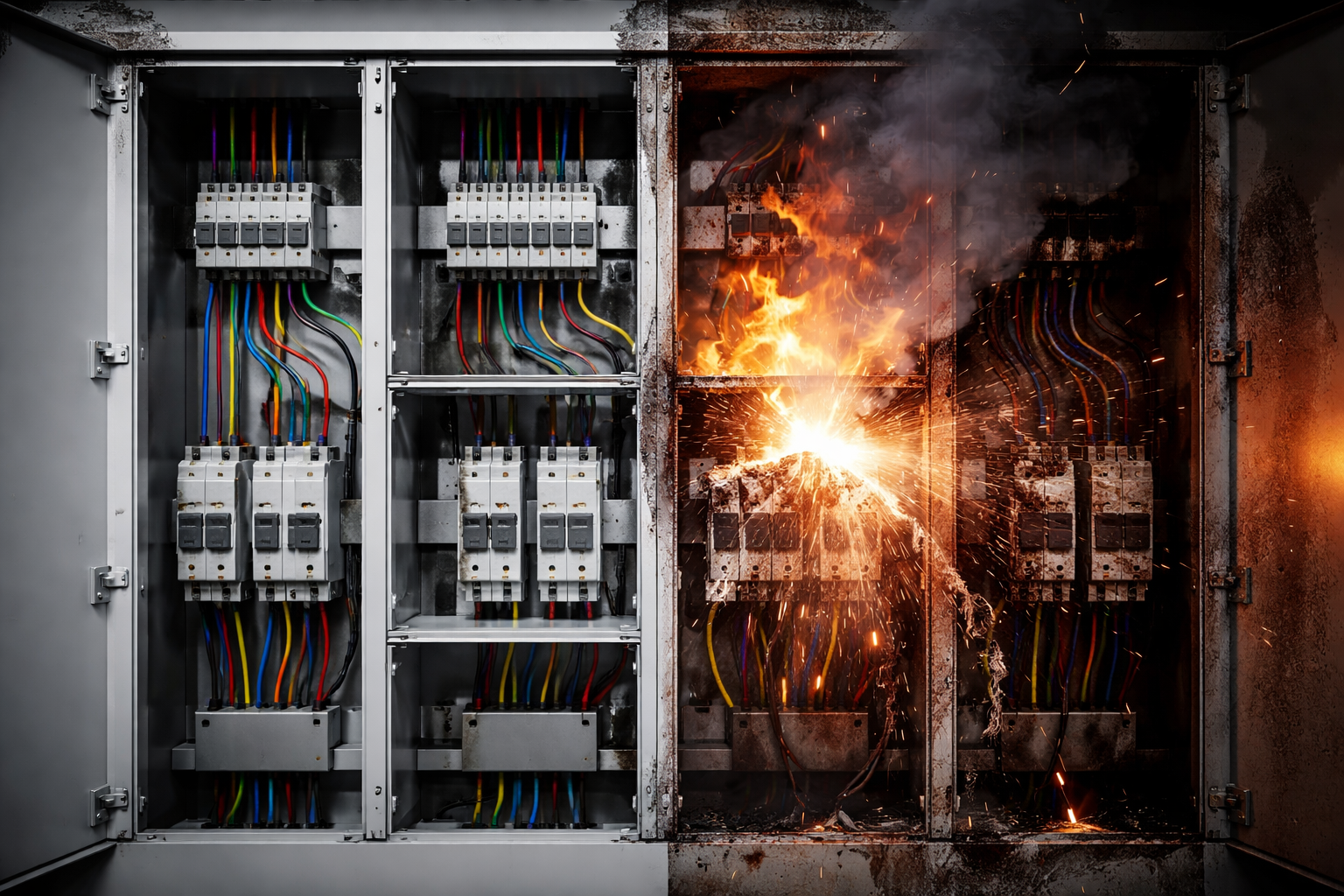
The Myth of “Form 4” Safety in LV Switchboards
Read More
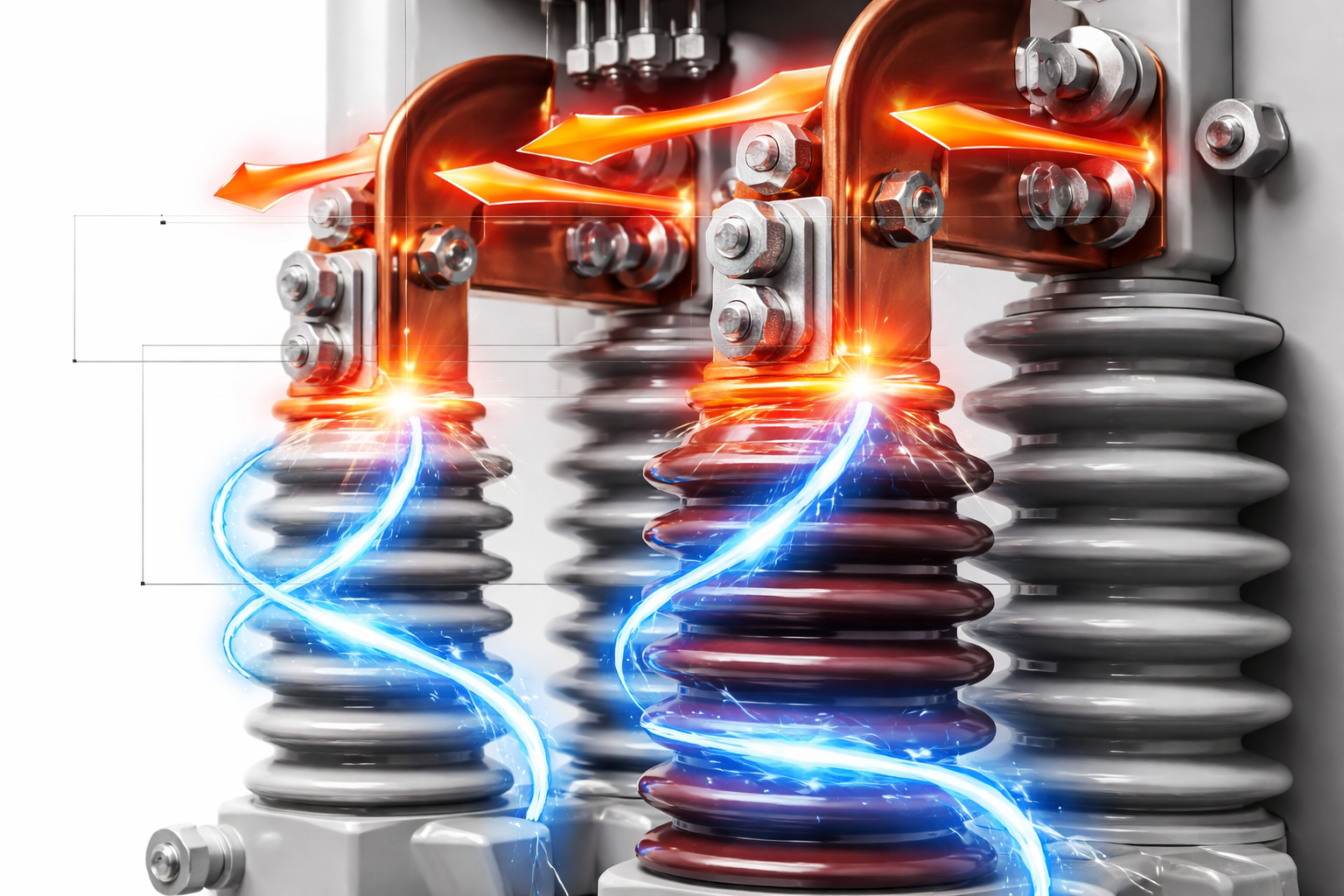
Busbar Support Insulators: The Hidden Conflict Between Mechanical Strength and Electrical Design
Read More
Beyond Static Ratings: Designing Battery Racks for Seismic Safety
Read More
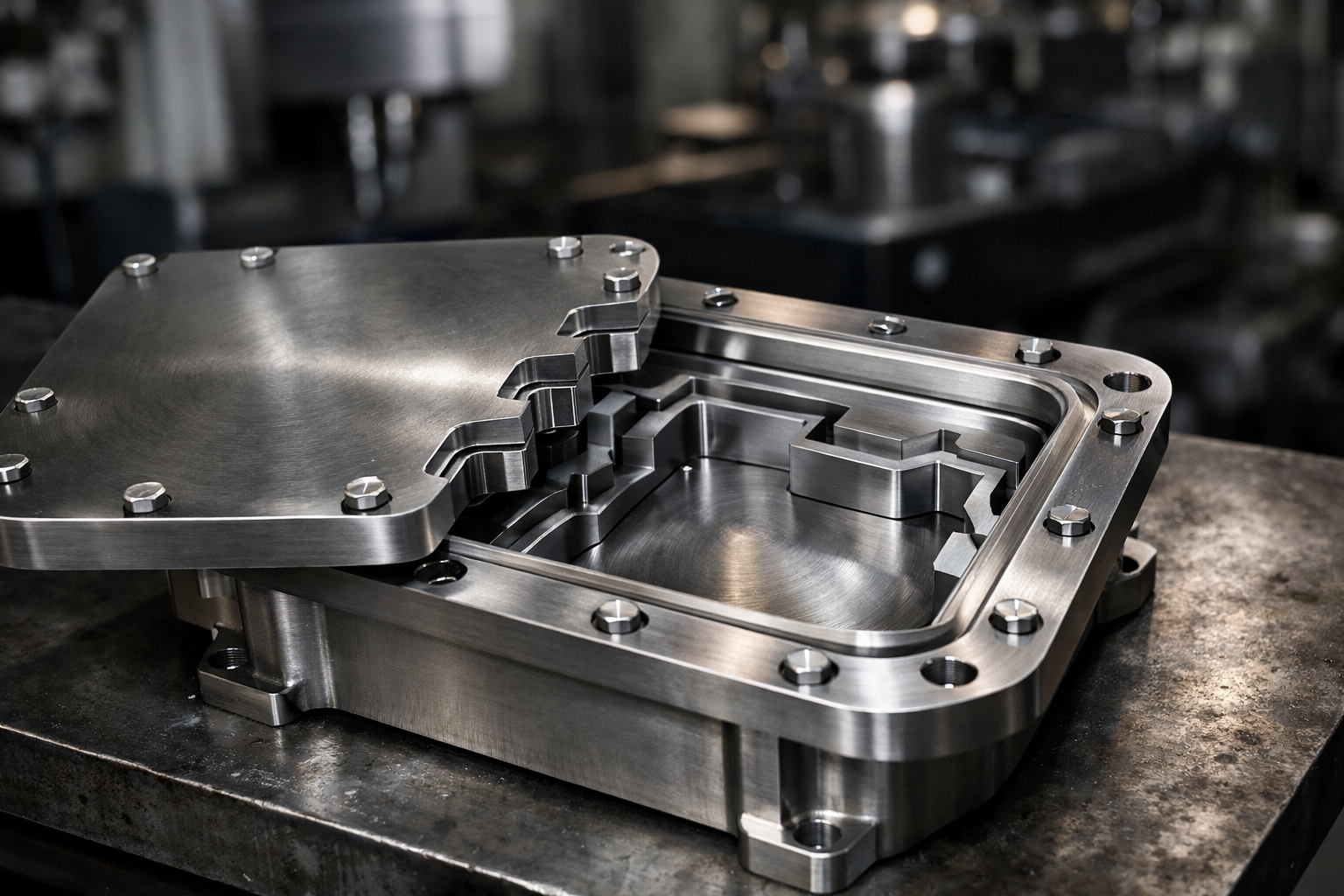
The Science Behind Flameproof Joint Gap Tolerances (Ex d)
Read More