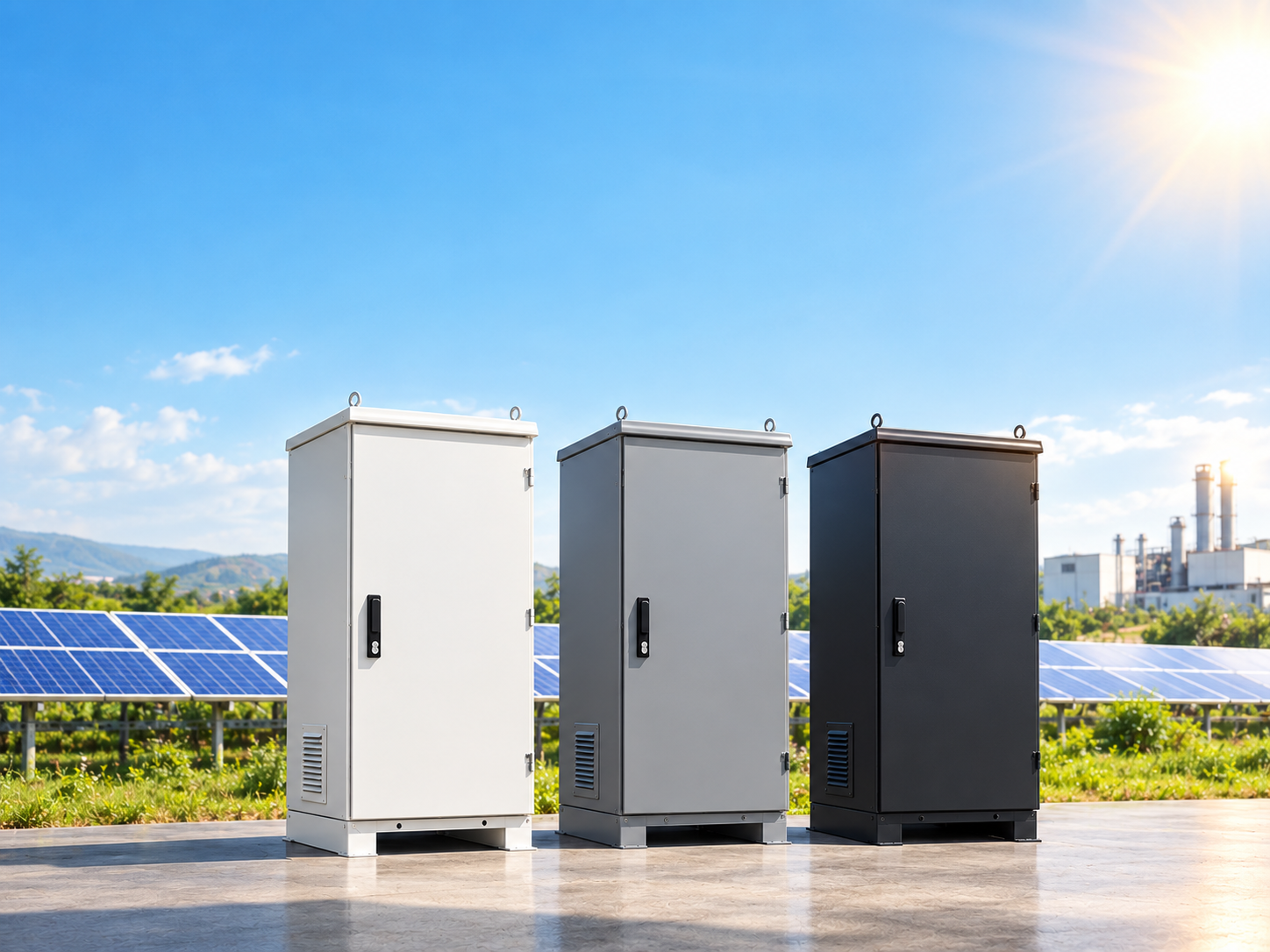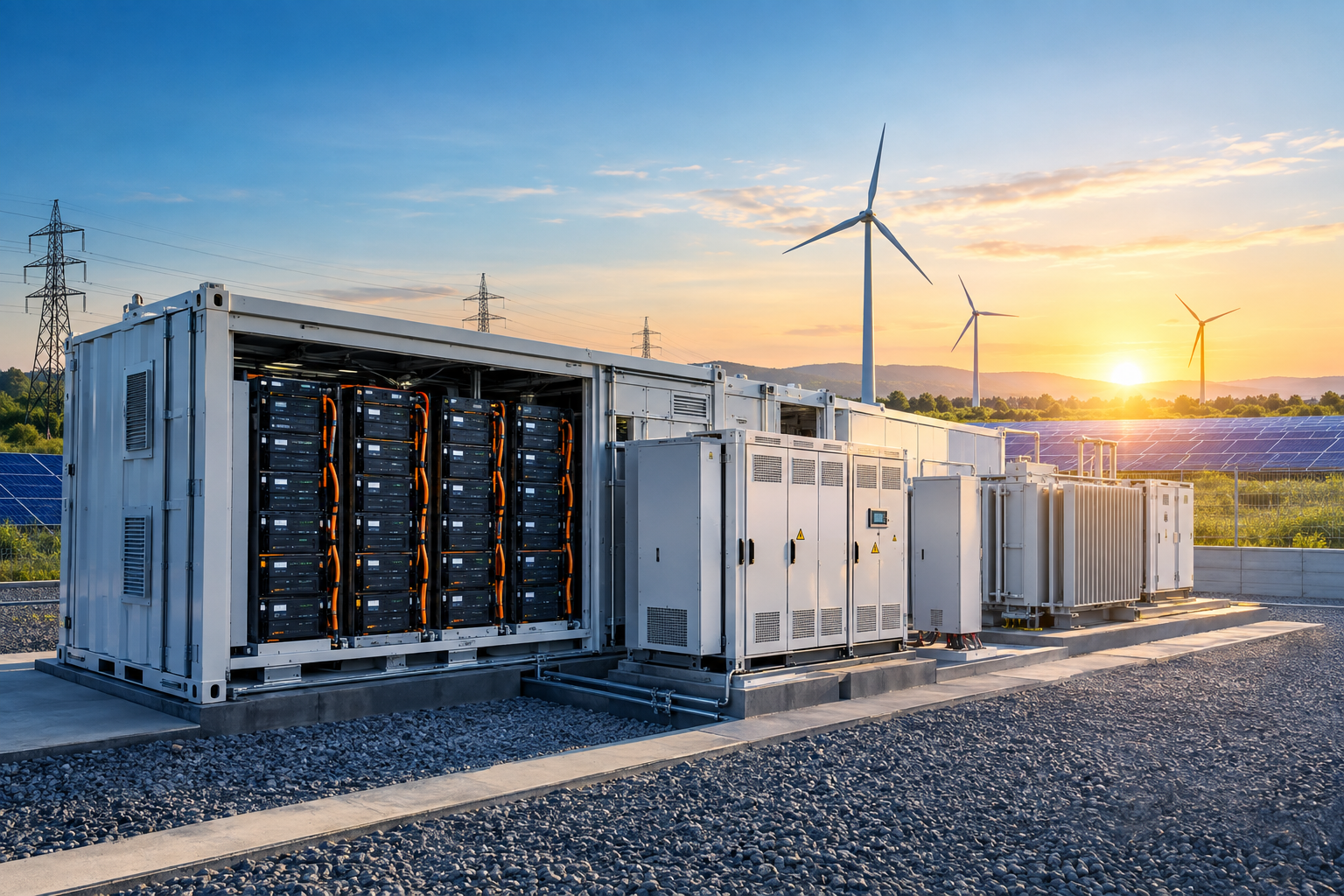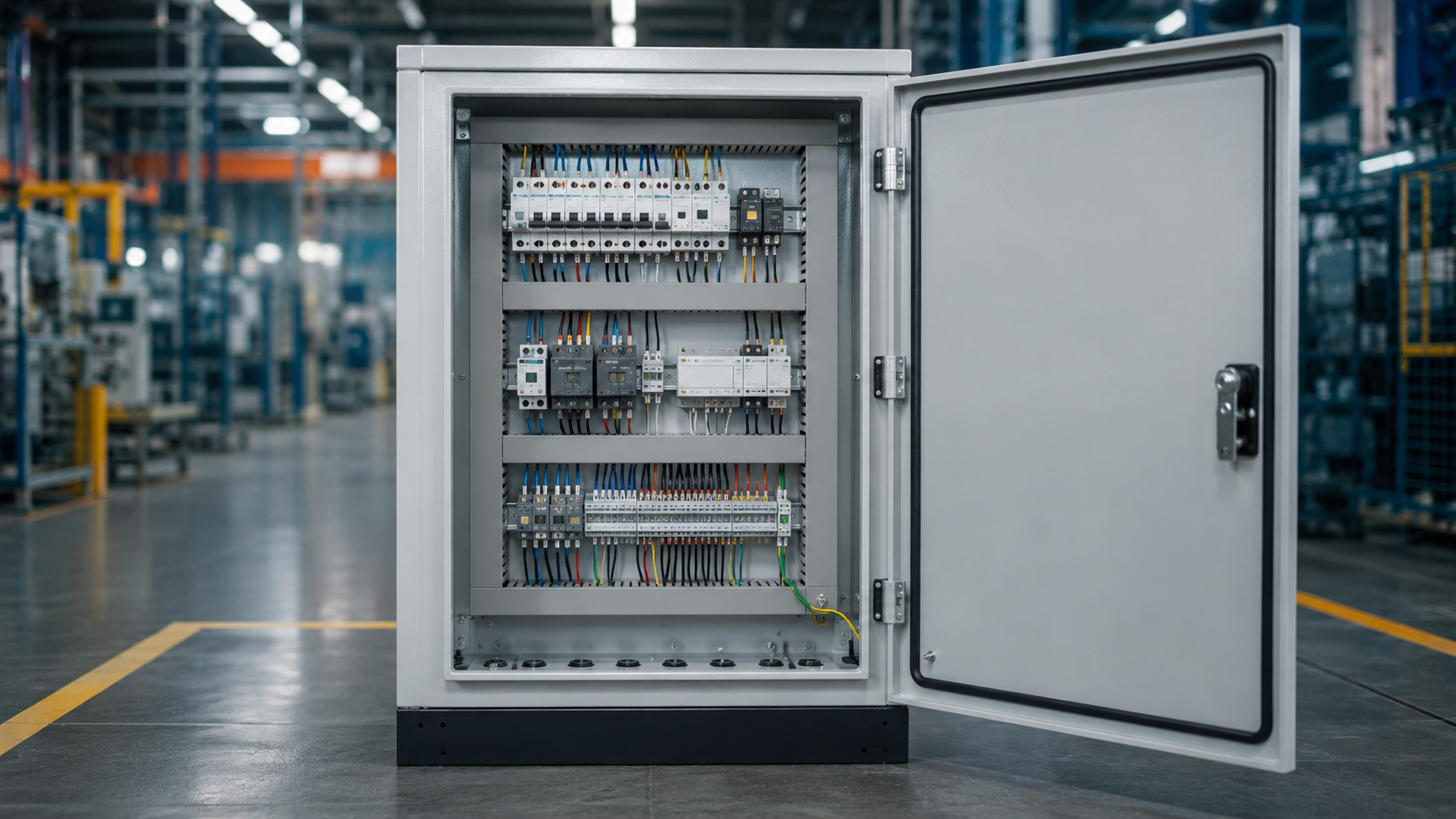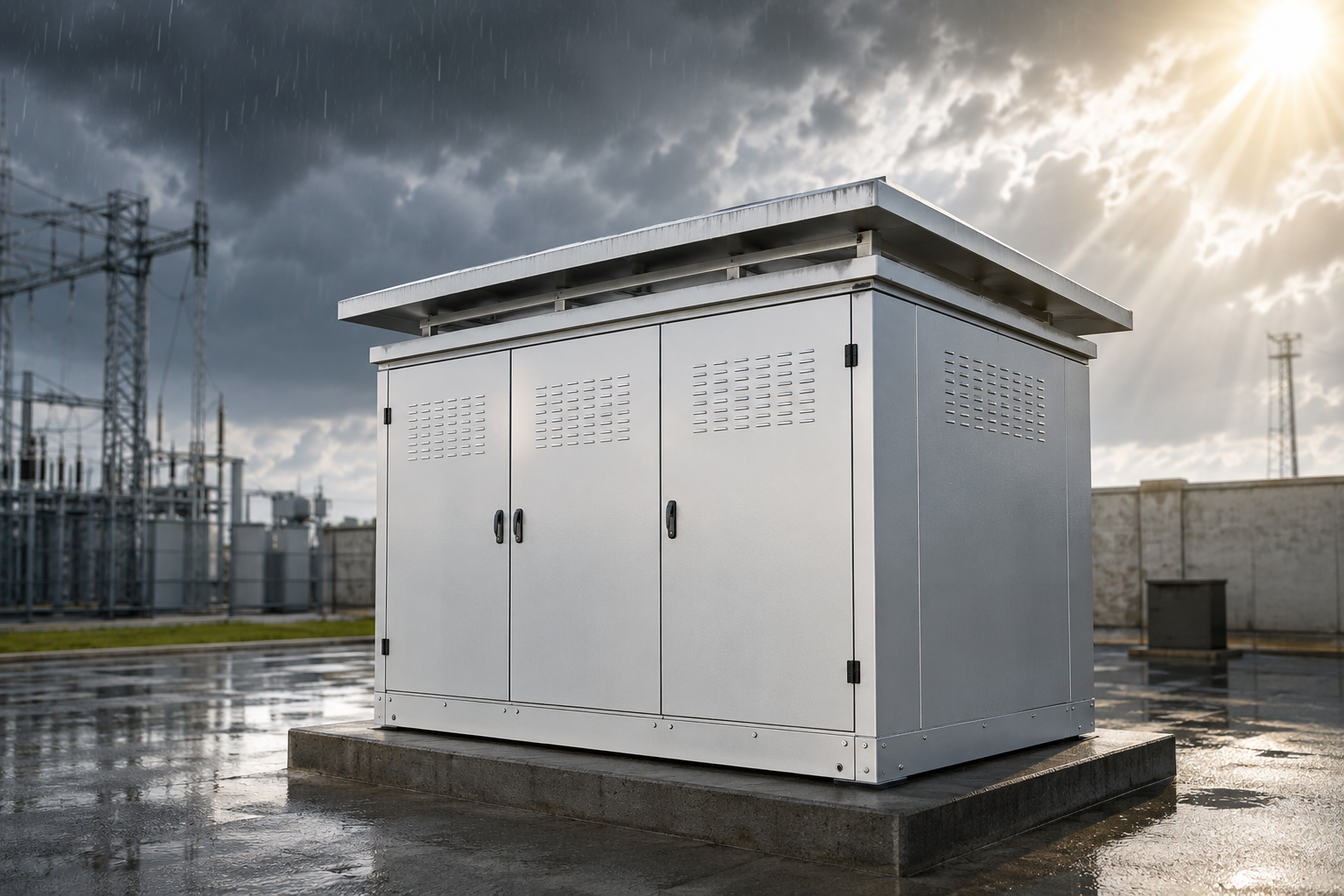
When an electrical enclosure is installed outdoors, the enclosure roof is more than a protective cover. It is one of the first lines of defence against rainwater, direct sunlight, heat, dust and harsh environmental conditions.
Outdoor electrical panels, control cabinets, battery systems, automation equipment, telecom equipment and power distribution systems can be exposed to these conditions for years. While enclosure material, IP rating and sealing are critical, roof design can significantly influence how well an outdoor enclosure performs over its operating life.
A well-designed outdoor enclosure roof can help control water runoff, reduce direct solar exposure, protect door seals and improve thermal performance. In demanding applications, features such as rain canopies, sloped roofs, solar shields and double-roof construction can make a significant difference.
So, why does roof design matter in outdoor enclosures?
Water management is one of the most important considerations in outdoor electrical enclosure design.
A flat or poorly designed roof can allow rainwater to accumulate on the enclosure surface. Over time, standing water can increase the risk of leakage, corrosion and deterioration of seals and joints.
A sloped outdoor enclosure roof provides a simple but effective solution. Instead of allowing water to remain on the top surface, the slope directs rainwater away from the enclosure.
Rain canopies can provide another layer of protection by extending beyond the enclosure walls. This helps prevent water from flowing directly over doors, seams and gasket areas.
For example, Rittal's outdoor enclosure solutions use rain canopies that project beyond the enclosure on multiple sides. Its outdoor enclosure designs also combine roof protection with other environmental protection measures.
Similarly, nVent HOFFMAN offers rain hoods with sloped roofs and drip strips. These are specifically designed to provide additional weather protection and help prevent accumulated water from dripping into the enclosure when the door is opened.
A properly designed roof can help:
Rain isn't the only environmental challenge. Solar radiation can significantly increase the temperature of an outdoor enclosure.
An enclosure exposed to direct sunlight absorbs solar energy, increasing the temperature of the enclosure walls and the air inside. This becomes particularly important when the enclosure contains heat-generating equipment such as circuit breakers, drives, power supplies, transformers, batteries or control equipment.
A roof canopy creates a degree of separation between the enclosure and direct sunlight.
Instead of the enclosure roof absorbing the full intensity of solar radiation, the external canopy can take a portion of that exposure while creating a shaded zone above the enclosure.
This principle is used extensively by major enclosure manufacturers.
nVent HOFFMAN, for example, offers solar shield solutions designed to reduce solar heat gain in outdoor electrical applications. Its published testing indicates that a wall-mount solar shield can reduce temperature rise caused by solar heat load by approximately 56% in the tested configuration.
The important takeaway is that thermal management can start with mechanical enclosure design before adding active cooling equipment.
For applications exposed to intense sunlight, a single roof may not always provide enough thermal protection.
This is where a double-roof or raised-roof design can be useful.
A double roof creates an air gap between the main enclosure roof and the external weather/solar shield. The outer roof takes the direct solar load, while the separation reduces direct heat transfer to the enclosure.
Depending on the design, the air gap can also support natural heat dissipation.
Rittal's outdoor enclosure portfolio provides a real-world example. Its Toptec outdoor enclosure uses double-walled construction, with the company describing the design as promoting passive heat dissipation and reducing the influence of solar exposure.
This approach is particularly relevant for outdoor electrical infrastructure installed in:
A common mistake is to consider enclosure cooling separately from enclosure construction.
In reality, the two are connected.
If an outdoor electrical enclosure receives significant solar heat gain, the cooling system has to work harder to maintain the required internal temperature.
A well-designed roof can reduce the thermal load before active cooling is introduced.
Depending on the application, an outdoor enclosure may use:
Passive protection → ventilation → heat exchanger → air conditioning → specialized thermal management
The right approach depends on the internal heat load, ambient temperature, solar exposure, enclosure rating and environmental conditions.
Rittal, for example, combines outdoor enclosure systems with climate-control solutions, while nVent HOFFMAN offers outdoor enclosure solutions incorporating solar shielding and ventilation approaches.
This highlights an important principle:
Good thermal management begins with reducing unnecessary heat gain.
The roof also matters when technicians need to access the equipment.
Imagine an outdoor electrical panel immediately after heavy rainfall. Even if the enclosure itself is properly sealed, water accumulated on the roof can run toward the front when the door is opened.
A suitable rain canopy or sloped roof can help direct that water away from the access area.
This is one reason manufacturers include roof canopies as dedicated accessories.
Schneider Electric, for instance, offers roof canopies for its PanelSeT and Spacial enclosure ranges specifically to provide additional protection against rainwater splashes.
The roof therefore contributes not only to equipment protection, but also to better maintenance conditions.
There is no single roof design suitable for every outdoor enclosure.
The design should consider:
High-rainfall locations may require greater roof projection, effective drainage and additional weather protection.
Installations exposed to direct sunlight may benefit from a solar shield, canopy or double-roof construction.
High ambient temperatures combined with internal heat generation may require both passive solar protection and active thermal management.
The roof must be mechanically robust enough for the expected environmental loads.
The roof design should complement the required IP protection rating and enclosure sealing strategy.
Roof projections should protect access areas without obstructing doors, lifting arrangements or maintenance activities.
Outdoor environments may require suitable materials and surface treatments depending on humidity, salt exposure, chemicals and other corrosive conditions.
Outdoor enclosure performance isn't determined by one feature alone.
The IP rating, enclosure material, gasket, door construction, corrosion protection, ventilation, cooling system, mounting arrangement and roof design all work together.
A roof canopy cannot compensate for poor sealing. Similarly, a high IP-rated enclosure may still experience excessive internal temperature if it is exposed to intense solar radiation without appropriate thermal management.
That is why roof design should be considered during the initial enclosure engineering stage rather than treated as an afterthought.
The examples from Rittal, nVent HOFFMAN and Schneider Electric demonstrate how established enclosure manufacturers incorporate rain canopies, solar shields, sloped roofs and double-wall construction into outdoor enclosure solutions.
For Indian conditions, where outdoor electrical equipment can face intense sunlight, monsoon rainfall, humidity and dust, this becomes even more relevant.
A roof may look like one of the simplest parts of an outdoor electrical enclosure, but its engineering role is significant.
A properly designed roof can help manage rainwater, reduce solar heat gain, protect enclosure seals, improve maintenance conditions and support overall thermal management.
For demanding outdoor electrical infrastructure, the question should not simply be "Does the enclosure have a roof?"
The better question is:
"Is the roof engineered for the environment in which the enclosure will operate?"
At Brick & Byte, outdoor enclosure design can be engineered around the application, environmental conditions and equipment requirements—helping electrical infrastructure remain protected, reliable and ready for long-term operation.
A roof canopy provides additional protection against rain, splashes and direct solar exposure while helping protect doors, seals and enclosure surfaces.
It can help reduce solar heat gain by creating separation between the external roof and the main enclosure, supporting passive heat dissipation.
A sloped roof generally provides better rainwater drainage because water is directed away instead of accumulating on the roof.
An appropriate IP rating provides protection against water ingress under defined test conditions, but a rain canopy can provide additional practical protection from prolonged weather exposure and water accumulation.
Not always. Roof and solar-shield design can reduce heat gain, but enclosures with significant internal heat generation may still require ventilation, heat exchangers or air conditioning.
For custom outdoor electrical enclosures, industrial enclosures and engineered sheet-metal solutions, talk to Brick & Byte.
Email: [email protected]
Website: www.brickandbyte.in
Brick And Byte Innovative Products Limited — Engineering the Future.