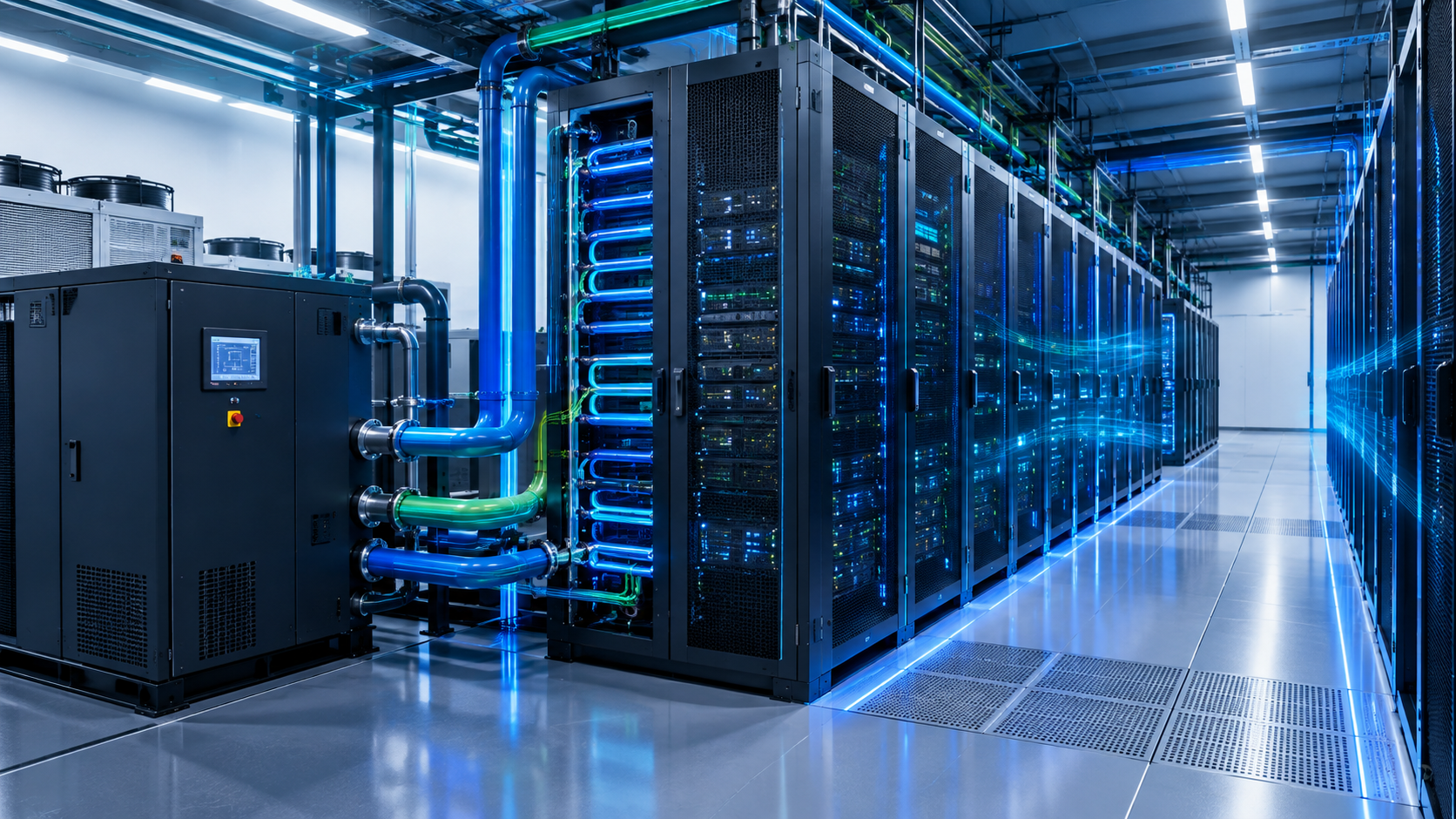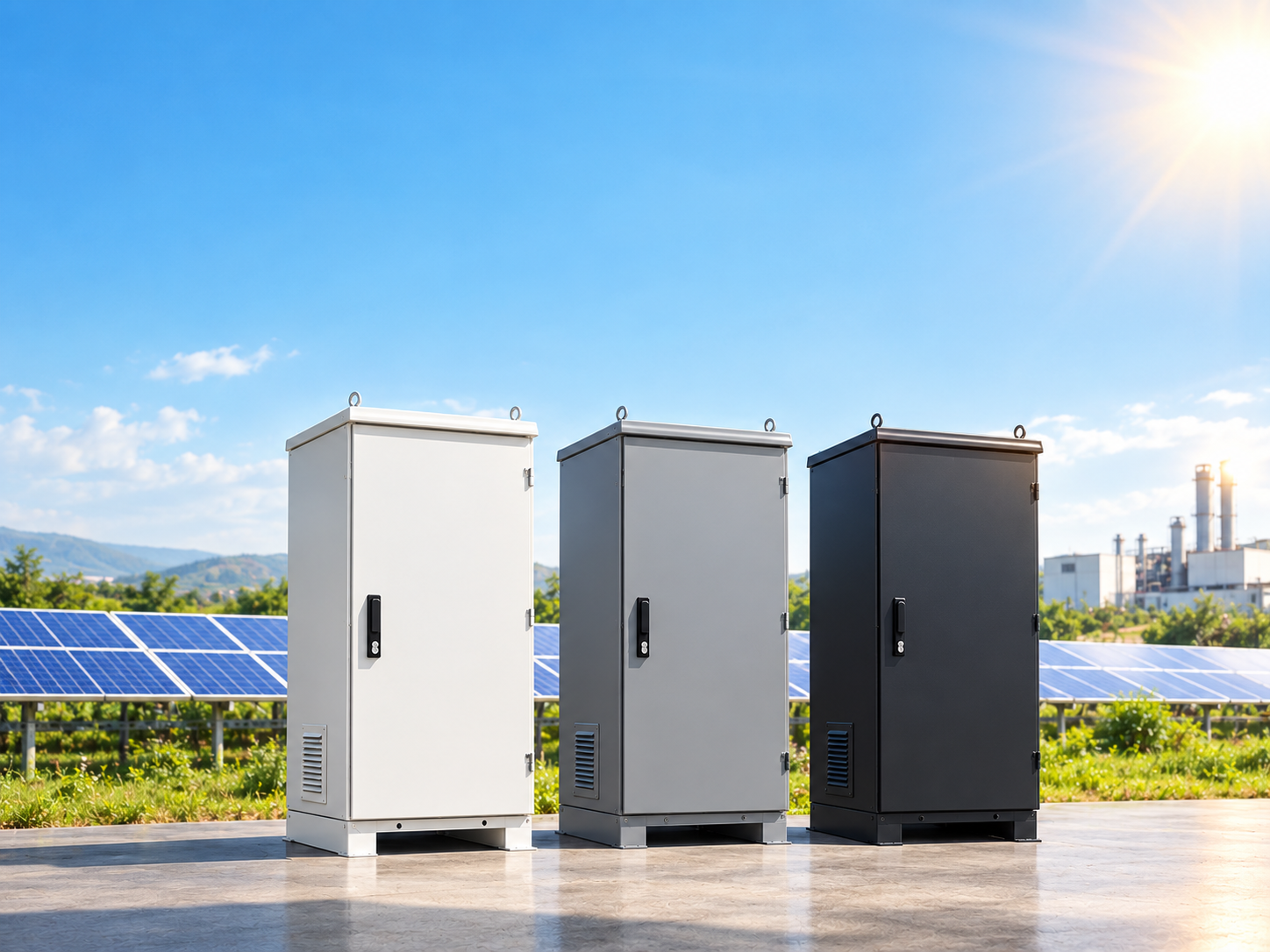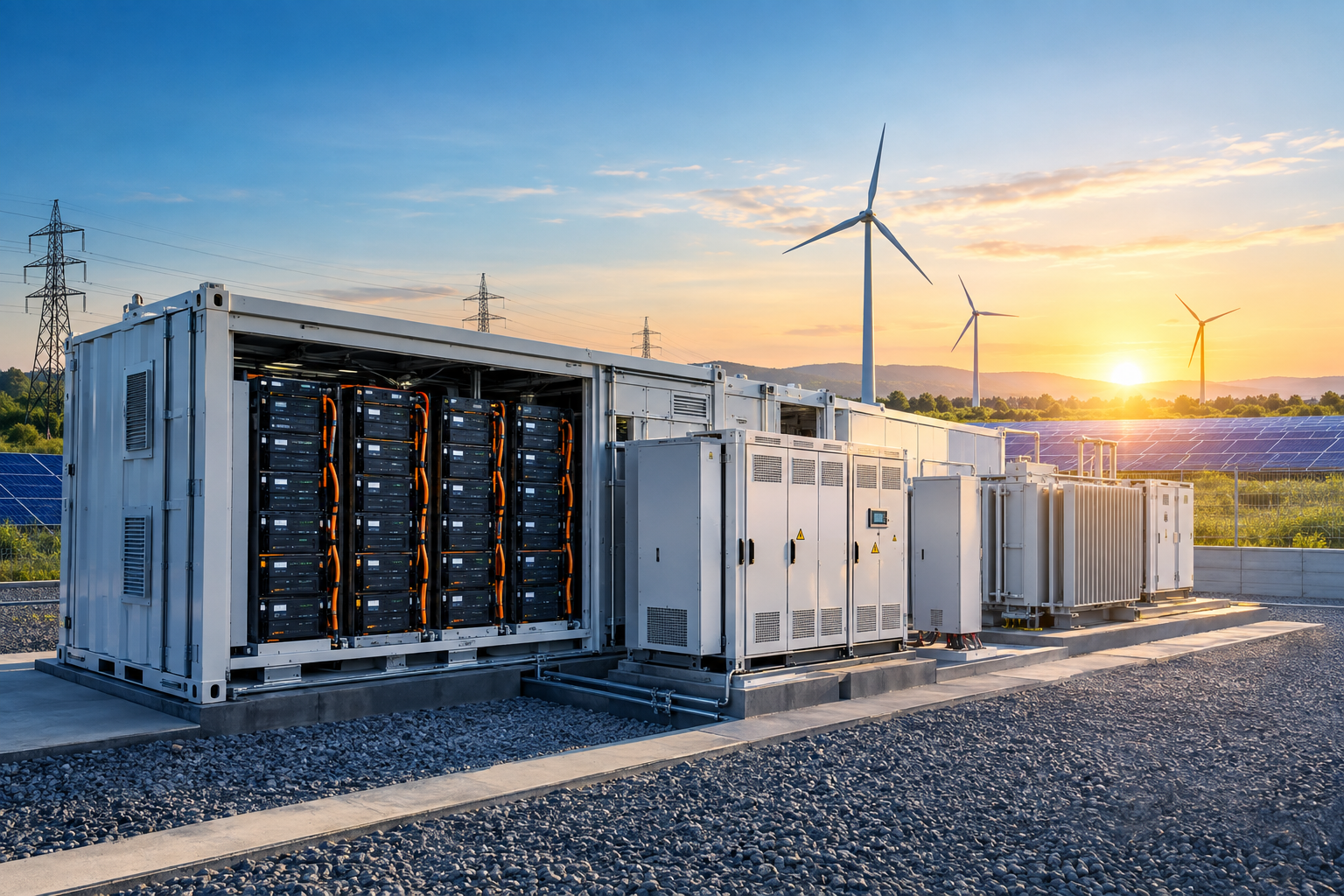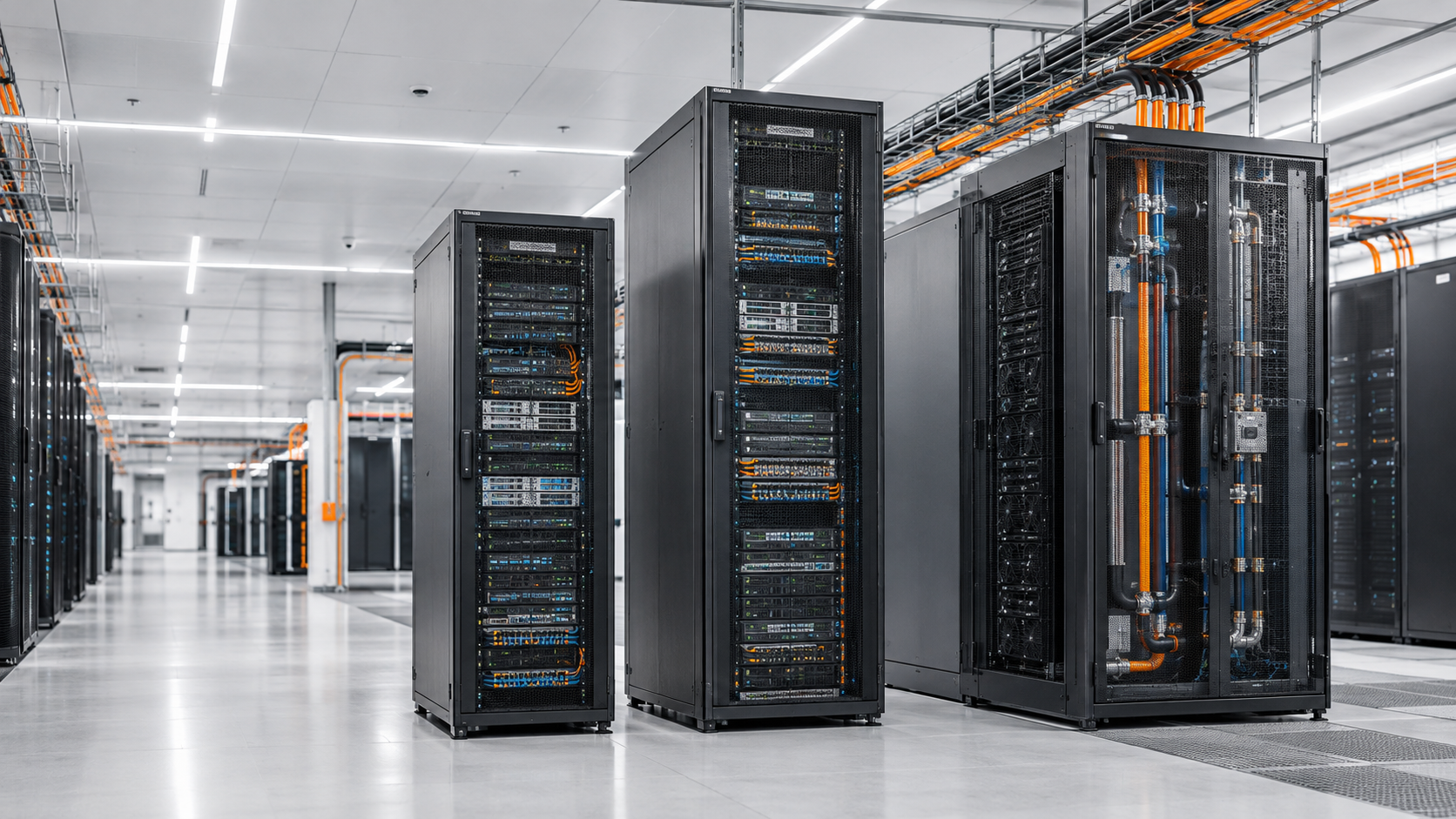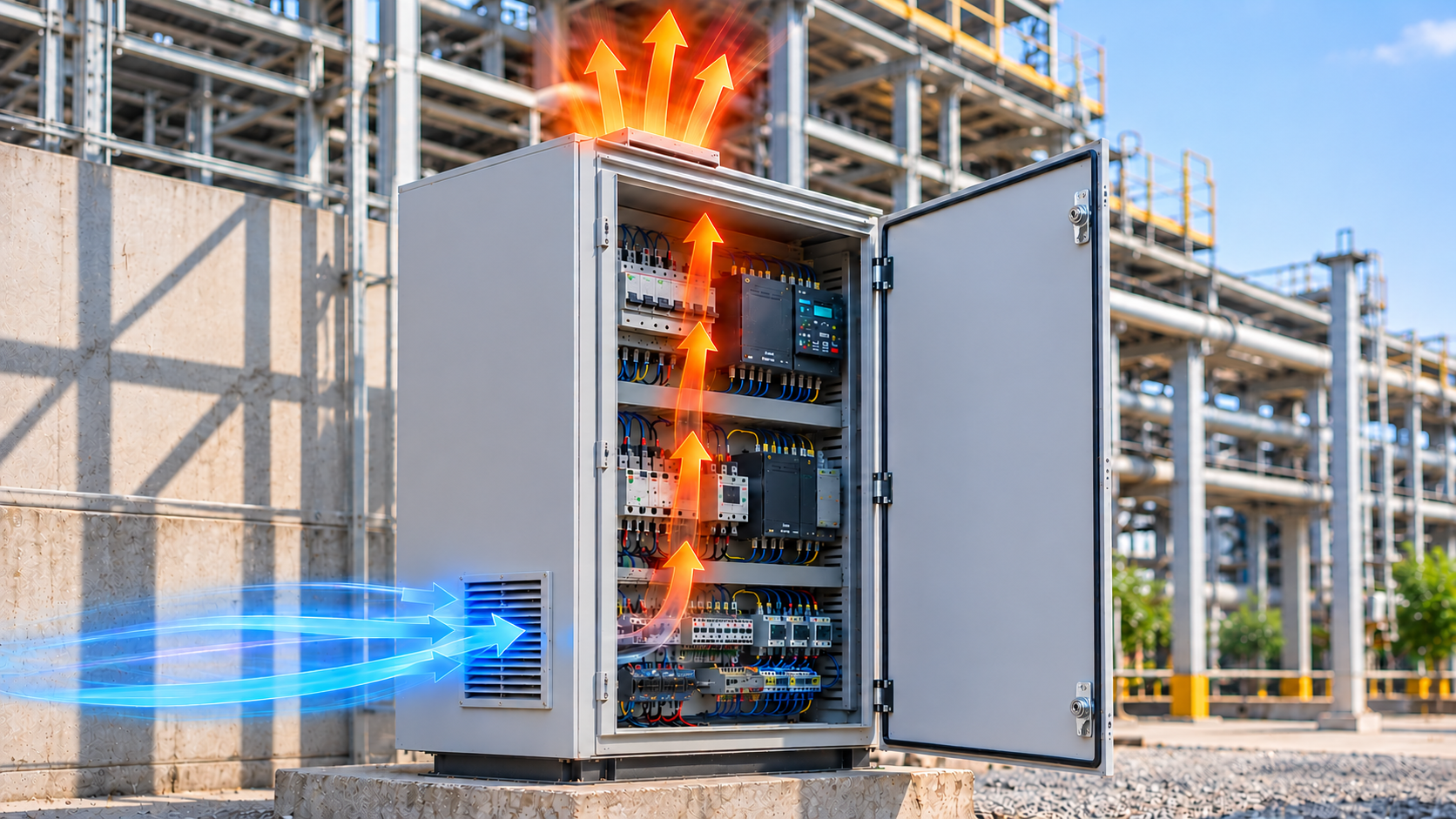
But what happens when the same enclosure is installed in a dusty factory, exposed to monsoon humidity, or positioned outdoors?
The very ventilation system intended to protect electrical equipment can become a pathway for dust, moisture and airborne contaminants.
An industrial electrical enclosure is not simply a metal box that needs to breathe. It is a controlled environment designed to protect electrical components from external conditions while managing the heat generated internally.
The challenge is not to maximise ventilation. It is to achieve the right balance between heat dissipation, ingress protection, airflow distribution and environmental conditions.
For electrical panels, junction boxes, machine control enclosures and outdoor distribution systems, this balance directly influences reliability, maintenance requirements and equipment life.
The real question is not how much air an enclosure can move, but how effectively it can remove heat without compromising protection.
Electrical components generate heat during normal operation. Circuit breakers, contactors, variable frequency drives (VFDs), power supplies, transformers and control equipment all contribute to the internal thermal load.
As this heat accumulates, the enclosure's internal temperature rises.
Excessive temperatures can affect component performance, accelerate insulation ageing and increase the likelihood of equipment failure. Thermal management is therefore an essential part of industrial enclosure design.
Depending on the application, heat can be managed through:
Natural convection using appropriately positioned ventilation openings.
Forced ventilation using fans and filter-fan systems.
Air-to-air heat exchangers.
Enclosure cooling units or air conditioners.
Air-to-water heat exchangers for higher heat loads.
However, each method has different operating conditions.
Natural ventilation may be sufficient for a low-heat-load enclosure in a clean environment. A high-density electrical panel containing VFDs and power electronics may require forced cooling or a dedicated cooling system.
The correct solution depends on the component heat losses, ambient temperature, enclosure dimensions, installation conditions and required IP rating.
Schneider Electric's technical guidance on switchboard temperature management highlights the importance of ambient conditions, internal heat sources and enclosure protection when selecting a cooling approach.
More ventilation can improve heat removal, but it can also increase the enclosure's exposure to external conditions.
The consequences are not always immediately visible.
In manufacturing facilities, cement plants, metalworking shops and industrial warehouses, airborne dust can be a significant concern.
When an enclosure draws air from its surroundings, contaminants may enter through ventilation openings, filters, cable entry points and poorly sealed joints.
Over time, dust can accumulate on:
Electrical terminals and busbar connections.
Cooling channels and heat sinks.
Control equipment and electronic components.
Internal insulation surfaces.
A filter fan can reduce this risk, but its effectiveness depends on the filter medium, airflow requirement, maintenance schedule and installation quality.
A clogged filter also creates resistance to airflow. The fan may continue running while the actual cooling performance deteriorates.
This means a ventilation system that performs well during commissioning may gradually become less effective if filter maintenance is overlooked.
Ventilation introduces another variable: humidity.
In humid environments, moist air can enter the enclosure and interact with internal surfaces that are cooler than the surrounding air.
When the temperature of a surface falls below the dew point, condensation can form.
This is particularly relevant for outdoor electrical enclosures exposed to changing temperatures, overnight cooling and seasonal humidity.
Condensation can contribute to corrosion, reduce insulation performance and increase the risk of electrical faults.
Schneider Electric identifies unrestricted airflow and condensation as potential concerns in humid electrical cabinet environments, particularly when temperature changes occur.
Every ventilation opening changes the enclosure's protective boundary.
An enclosure originally designed for a particular IP rating may no longer maintain that protection after an opening is introduced without an appropriate ventilation component and validated installation.
For example, an IP55 enclosure fitted with an unsuitable fan, an unprotected cut-out or poorly sealed cable entries cannot automatically be assumed to retain its original IP55 rating.
Ingress protection is governed by IEC 60529, which classifies the protection provided by enclosures against solid objects and water.
The important distinction is that ventilation and ingress protection must be designed together.
A higher airflow rate does not justify sacrificing the environmental protection required by the application.
One of the most overlooked aspects of industrial enclosure ventilation is airflow direction.
A fan can move a large volume of air and still deliver poor cooling if the air does not reach the components generating the most heat.
Consider an electrical control panel containing a VFD, PLC, power supplies and contactors.
If cool air enters near the bottom and exits near the top, it can follow the natural upward movement of heated air. This can create a useful cooling path.
However, if the inlet and outlet are positioned too close together, the incoming air may travel directly to the outlet without adequately cooling the internal components.
This is known as airflow short-circuiting.
The fan is moving air, but the enclosure is not being cooled effectively.
Bottom-inlet and top-exhaust arrangement
Cooler air enters near the bottom and warmer air exits near the top. This arrangement can support natural convection and forced ventilation, provided the internal components do not obstruct the airflow.
Side-inlet and opposite-side exhaust arrangement
Air travels across the enclosure, allowing cooling air to pass through the component installation area. This can be useful when components are distributed across the enclosure.
Poorly positioned inlet and outlet
If the inlet and outlet are close together, air can bypass critical heat-generating components. This may create localised hot spots despite apparently adequate ventilation.
The objective is to establish a defined airflow path that reaches the heat-generating components before the air exits the enclosure.
Internal layout is therefore just as important as fan selection.
Industrial enclosure ventilation must be evaluated against the required ingress protection level.
An IP rating consists of two characteristic numerals:
The first numeral indicates protection against the ingress of solid objects and dust.
The second numeral indicates protection against water.
For example, IP55 provides dust protection and protection against water jets under the applicable test conditions. IP66 provides a higher level of dust protection and protection against powerful water jets.
These ratings are defined under IEC 60529.
But what does this mean for enclosure ventilation?
A standard open ventilation slot may be suitable for an indoor application where the environment is clean and dry. The same design may be unsuitable for an outdoor junction box exposed to rain and dust.
For higher-protection applications, ventilation can be achieved using appropriately selected filter-fan units, protective ventilation accessories, heat exchangers or closed-loop cooling systems.
The critical requirement is that the complete enclosure assembly must meet its intended protection level.
The enclosure, ventilation accessory, gasket, cut-out and installation method must work together.
A component's individual IP rating should not be treated as automatic proof that the modified enclosure retains the same rating.
Leading industrial enclosure and electrical equipment manufacturers treat ventilation as part of an engineered thermal management system rather than an isolated fan-selection exercise.
Schneider Electric's ClimaSys ventilation product range includes forced-ventilation systems with fans and filters designed for enclosure thermal management.
Its published ventilation guidance identifies several practical considerations:
Ambient air temperature must be suitable for the required internal temperature.
Filter maintenance is necessary.
Pressure losses across filters and outlet grilles affect airflow.
The installed airflow rate must account for the ventilation arrangement.
Schneider Electric's ClimaSys ventilation documentation also lists filter-fan systems with IP54 protection, illustrating how ventilation accessories can incorporate protection against environmental ingress.
The engineering lesson is clear: airflow must be evaluated under installed conditions, not simply based on the fan's free-air rating.
Rittal offers filter fans, air-to-air heat exchangers and enclosure cooling units as part of its climate control portfolio.
Its guidance distinguishes between ambient-air cooling and cooling systems that maintain the enclosure's internal temperature independently of the ambient temperature.
For example, Rittal's cooling units use separate air circuits to prevent external dust from entering the enclosure. This is particularly relevant where the ambient environment is unsuitable for direct ventilation.
Rittal's Blue e+ filter-fan systems also include features such as filter monitoring and automatic filter cleaning in selected configurations.
These examples demonstrate an important principle: effective enclosure thermal management is not necessarily about increasing the amount of external air entering the enclosure.
Sometimes the better solution is to manage heat transfer while keeping the internal environment isolated from the surroundings.
The right enclosure cooling strategy depends on the relationship between internal heat generation and external environmental conditions.
For low heat loads in clean indoor environments, natural ventilation or filter fans may be sufficient.
For moderate heat loads, forced ventilation with suitable filters can provide effective cooling when the ambient air is appropriate.
In dusty industrial environments, filtered ventilation or closed-loop cooling may be more suitable.
Outdoor electrical enclosures exposed to rain may require IP-compatible ventilation accessories or closed-loop cooling.
High ambient temperatures and high internal heat loads may require cooling units or engineered heat exchangers.
These are general selection guidelines, not substitutes for thermal calculations or application-specific engineering.
A useful starting point is to determine the enclosure's internal heat dissipation and compare it with the cooling capacity available under actual site conditions.
Ventilation works by exchanging internal air with external air.
This means that ventilation can only cool the enclosure effectively when the incoming air is sufficiently cool relative to the required internal temperature.
If the ambient temperature is already higher than the desired enclosure temperature, increasing airflow may not solve the problem.
In certain conditions, it can even increase the enclosure's internal temperature.
This is why industrial enclosure cooling calculations must consider the maximum expected ambient temperature, not simply the average temperature at the installation site.
Rittal's climate control guidance makes this distinction between ambient-air cooling and cooling units that maintain internal temperatures independently of ambient conditions.
Effective enclosure ventilation begins during the design stage.
For electrical panel manufacturers, enclosure designers and industrial equipment manufacturers, the following considerations can help prevent ventilation-related problems.
Identify the heat losses of the installed electrical components.
A panel containing multiple VFDs and power supplies will require a different thermal management strategy from a junction box containing only terminal blocks.
Avoid selecting fans based only on enclosure size.
Determine whether the enclosure will be installed indoors, outdoors, in a dusty manufacturing area or in a high-humidity environment.
Environmental conditions should influence the choice of ventilation system, filter type and protective accessories.
Position the inlet and outlet to minimise air bypass.
Consider component placement, cable routing and internal obstructions. Ensure that the airflow reaches the components with the highest heat losses.
Consider the required airflow, pressure losses, filter efficiency, noise levels, operating voltage and ingress protection.
The fan's free-air airflow rating should not be treated as the final installed airflow.
Filters require inspection and cleaning or replacement.
Where the enclosure operates in a dusty environment, maintenance accessibility should be considered during the design stage.
Thermal performance should be evaluated under representative operating conditions.
Temperature measurements at critical component locations can help identify localised hot spots that may not be visible from a single enclosure temperature reading.
Where the required IP rating is important, modifications should be evaluated against the applicable protection requirements.
For industrial enclosures, the ventilation system is part of the overall electrical and mechanical design.
An enclosure must accommodate the electrical components, provide sufficient space for wiring and maintenance, manage heat generation, and maintain the environmental protection required by the application.
This becomes especially important in outdoor junction boxes, distribution boxes, machine-mounted enclosures and industrial control panels.
A well-designed enclosure does not simply provide more openings. It provides the right openings, the right airflow direction and the right protection.
At Brick & Byte, enclosure design and manufacturing can be approached around the intended application, component layout, environmental requirements and access considerations.
For products such as ZenBox industrial enclosures, these considerations can be integrated into enclosure configuration, ventilation accessory selection, cable entry planning and overall enclosure design.
The objective is to support reliable equipment operation without introducing unnecessary environmental exposure.
Because an enclosure should not just remove heat. It should protect the equipment while doing so.
Yes. Excessive ventilation can increase exposure to dust, moisture and airborne contaminants while potentially compromising the enclosure's required IP rating.
No. Airflow direction, internal layout, ambient temperature and pressure losses determine how effectively heat is removed.
Yes. Unprotected openings or unsuitable ventilation accessories can compromise ingress protection. The complete enclosure assembly must meet the required IP rating.
It can be suitable when correctly selected for the heat load, ambient conditions and required IP protection. Applications with high humidity or unsuitable ambient temperatures may require alternative cooling methods.
Condensation risk can be managed through appropriate thermal control, enclosure heaters, humidity management and suitable protection against environmental exposure. The correct solution depends on the application.
The right enclosure design balances ventilation, thermal management, ingress protection and component accessibility.
Brick & Byte supports industrial enclosure and electrical infrastructure requirements through application-oriented engineering and manufacturing.
Explore our industrial enclosure solutions and discuss your application with our team.
Need an enclosure designed for your operating environment?
Connect with Brick & Byte for industrial enclosure solutions engineered around your application, protection requirements and thermal management needs.
Website: https://brickandbyte.in/
Email: [email protected]/
Brick & Byte — Engineering the Future.