The Risk of Improper Fastener Selection in Electrical Panels
Electrical panels are often judged by their visible engineering — busbars, breakers, cable management, protection systems, and enclosure quality. But one of the most overlooked causes of panel failure is much smaller: the fasteners holding the entire system together.
Bolts, nuts, washers, and fastening hardware may appear insignificant compared to switchgear or protection devices, yet improper fastener selection can directly impact:
• Electrical continuity
• Thermal stability
• Mechanical integrity
• Fault withstand capability
In industrial electrical infrastructure, especially in LV and MV switchboards, BESS systems, UPS panels, and mission-critical power distribution systems, the wrong fastener can lead to:
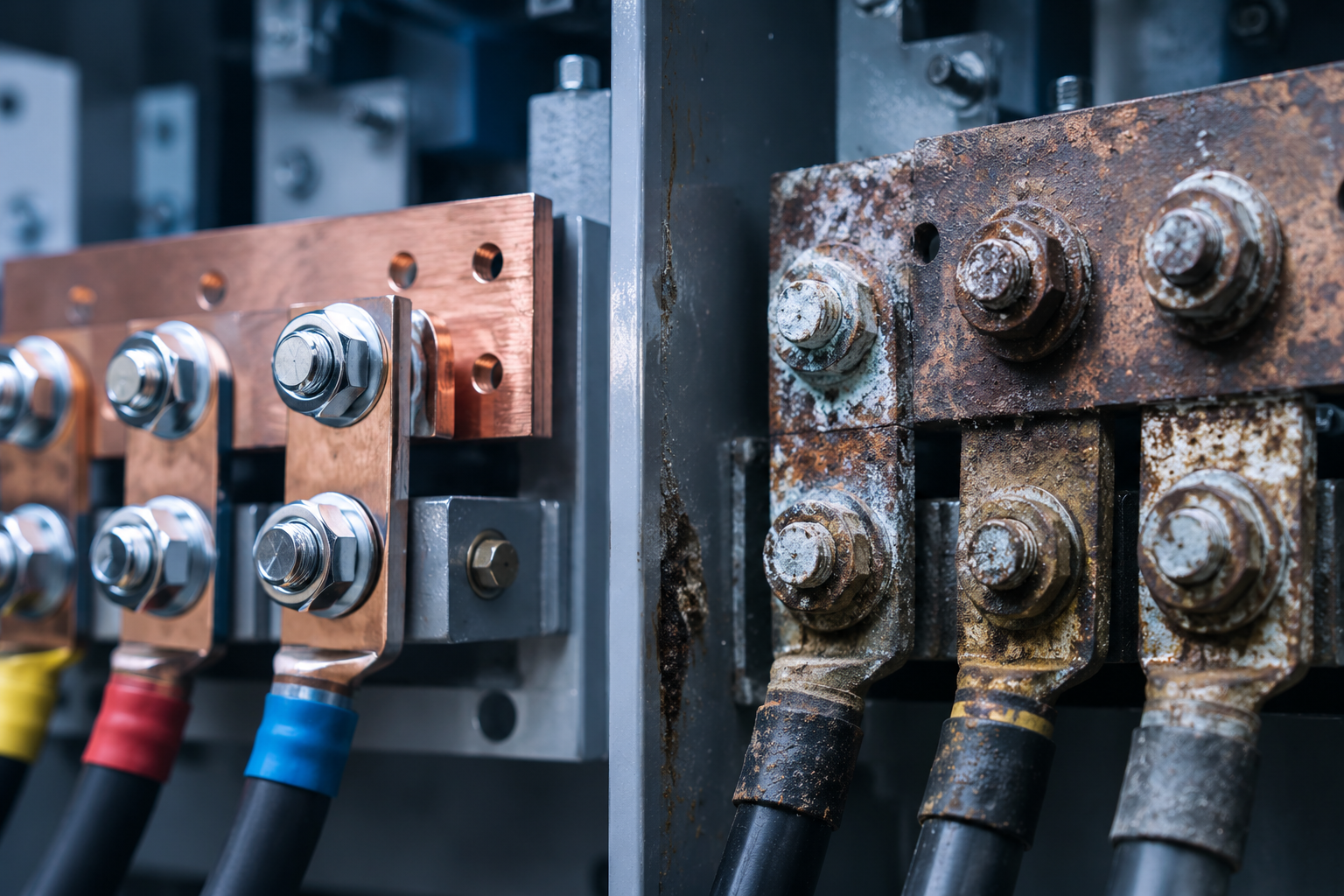
• Galvanic corrosion
• Torque relaxation
• Hot spots and overheating
• Reduced short-circuit withstand strength
• Busbar movement during fault conditions
• Premature equipment failure
• Increased maintenance downtime
As power systems become more compact, high-current, and thermally dense, fastener engineering is no longer a secondary consideration — it is part of the reliability architecture.
Why Fastener Selection Matters in Electrical Panels
Every electrical panel depends on hundreds — sometimes thousands — of fastening points.
These include:
• Busbar joints
• Structural frame assemblies
• Earth continuity connections
• Gland plate mounting
• Copper-to-aluminum transitions
• Door hinges and locking systems
• Heat sink assemblies
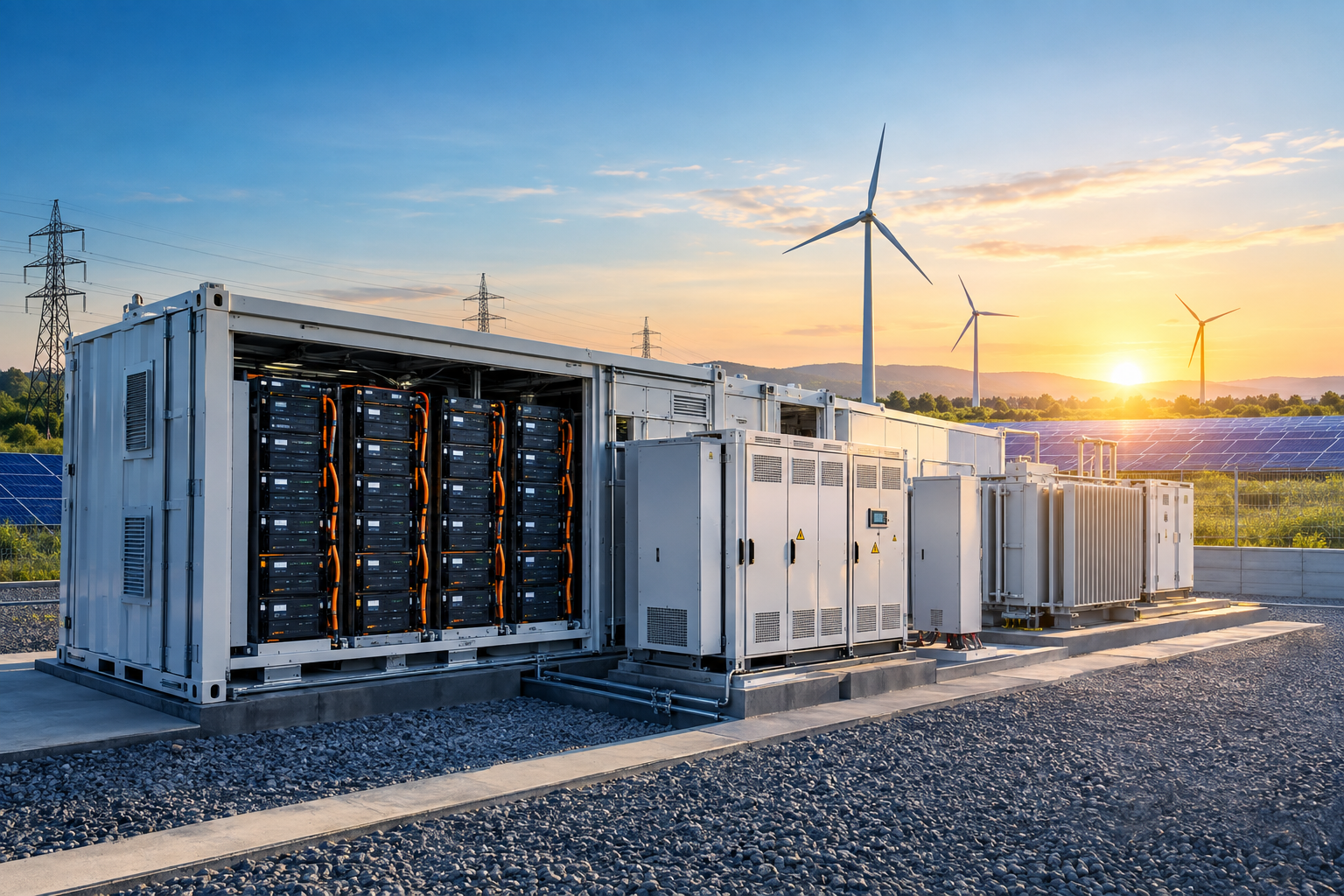
• Battery rack structures in BESS systems
Improper selection affects both:
• Mechanical performance
• Electrical conductivity and safety
In high-current environments, even slight loosening or corrosion can create resistance at contact points. Increased resistance generates heat, and heat accelerates further degradation — a cycle that can eventually lead to catastrophic failure.
The Hidden Threat of Galvanic Corrosion
One of the most common fastener-related issues in electrical infrastructure is galvanic corrosion.
Galvanic corrosion occurs when:
• Two dissimilar metals come into electrical contact
• Moisture or humidity acts as an electrolyte
The less noble metal begins corroding rapidly.
Real-World Example: Aluminum Busbars with Stainless Steel Fasteners
A common field mistake involves using stainless steel bolts directly with aluminum busbars without proper isolation washers or anti-oxidation compounds.
While stainless steel offers excellent corrosion resistance, it can accelerate corrosion of aluminum in humid environments.
This issue has been observed in:
• Coastal substations
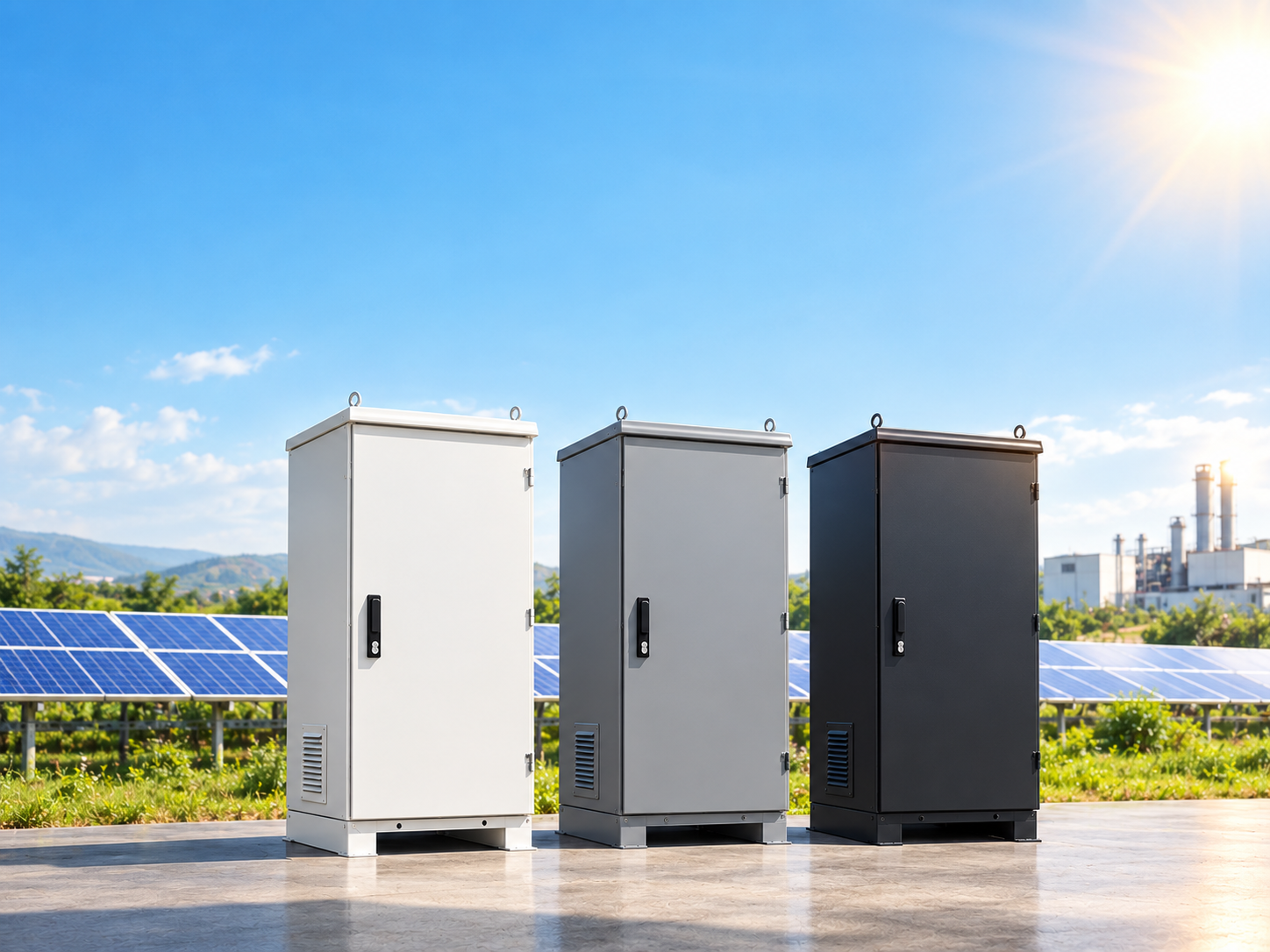
• Solar combiner boxes
• Outdoor telecom cabinets
• EV charging infrastructure
In several solar installations across coastal India and Southeast Asia, aluminum terminations showed severe white oxidation buildup within 2–3 years due to incompatible fastener combinations exposed to humidity and salt-laden air.
The result:
• Increased joint resistance
• Thermal hotspots
• Frequent maintenance cycles
• Understanding Torque Loss in Electrical Connections
Torque is critical in electrical panels.
Every bolted electrical joint is designed to maintain a specified contact pressure. If the torque drops over time, the contact resistance increases.
Causes of Torque Loss
1. Thermal Cycling
Electrical panels continuously heat and cool during operation.
Copper and aluminum expand and contract repeatedly. Over time, this movement reduces bolt preload.
2. Vibration
Industries such as:
• Railways
• Marine systems
• Data centers with large HVAC systems
• Generator synchronization panels
experience continuous vibration, which can loosen improperly secured fasteners.
3. Wrong Washer Selection
Flat washers alone may not prevent loosening under dynamic conditions. Spring washers, Belleville washers, or locking systems may be required depending on the application.
Real Incident: Loose Connections and the UK Parliament Fire
One of the most cited electrical infrastructure incidents related to poor electrical connections was the 2017 fire at the Palace of Westminster in London.
Investigations identified aging electrical infrastructure and faulty electrical connections as contributing concerns in multiple fire-risk areas. While not solely caused by fasteners, loose electrical joints remain one of the leading causes of overheating and electrical fires globally.
According to data from the National Fire Protection Association (NFPA), loose electrical connections are a significant contributor to industrial electrical fires.
Wrong Bolt Grades in High Fault-Current Zones
Not all bolts are equal.
In electrical panels, bolt grade determines:
• Tensile strength
• Yield strength
• Mechanical fault withstand capability
During a short circuit, massive electromagnetic forces act on busbars.
In high fault-current systems — such as:
• 50kA
• 65kA
• 100kA switchboards
the mechanical stress can be enormous.
If improper bolt grades are used:
• Busbars can shift
• Joints may deform
• Insulators can crack
• Arc flash risk increases dramatically
Real-World Example: Busbar Failure During Fault Testing
Independent laboratory testing facilities have documented cases where improperly torqued or under-rated hardware caused busbar displacement during short-circuit withstand tests.
In IEC 61439 type-tested assemblies, mechanical integrity under fault conditions is critical. Several failed test cases across the industry have been linked to:
• Incorrect bolt grades
• Insufficient tightening torque
• Improper clamping force distribution
This is particularly important in:
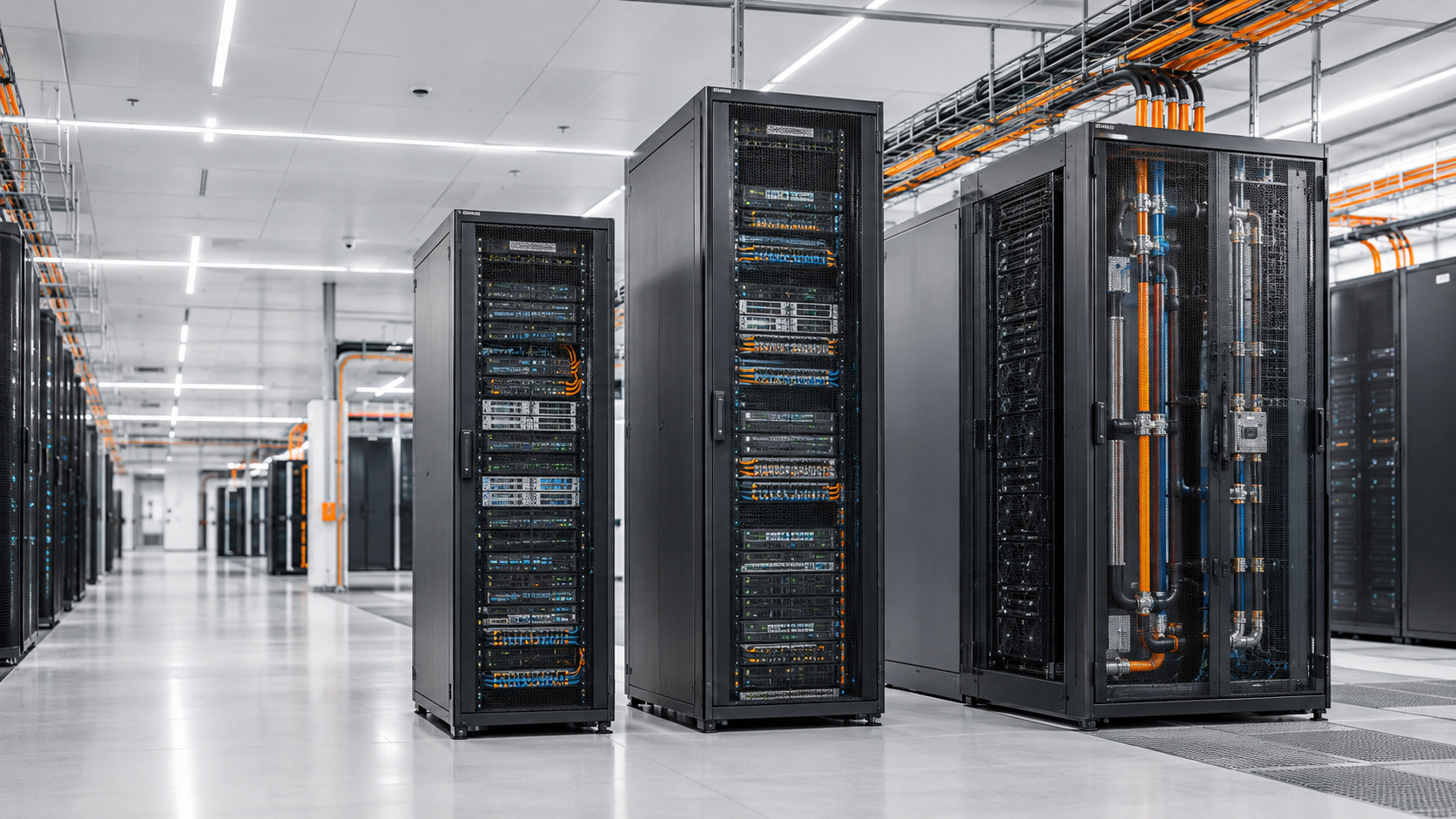
• Data center switchboards
• Industrial PCC panels
• Utility synchronization panels
• Battery Energy Storage Systems (BESS)
Common Fastener Mistakes in Electrical Panels
Using Commercial Hardware Instead of Electrical-Grade Fasteners
General-purpose hardware store fasteners may lack:
• Proper coating consistency
• Certified tensile strength
• Electrical compatibility
• Vibration resistance
Electrical infrastructure demands engineered fastening systems.
Mixing Metals Without Isolation
Common risky combinations include:
• Stainless steel + aluminum
• Copper + zinc-plated steel
• Aluminum + carbon steel
Without isolation barriers, corrosion accelerates.
Ignoring Environmental Conditions
Fasteners used in:
• Coastal areas
• Chemical plants
• Wastewater facilities
• Outdoor BESS containers
must account for:
• Humidity
• Salinity
• Chemical exposure
• UV exposure
• Over-Torquing Connections
Excessive torque can:
• Damage threads
• Warp busbars
• Reduce effective conductivity
• Crack insulators
More torque does not always mean better reliability.
Reliable panel manufacturers follow strict fastening standards aligned with:
• IEC 61439
• UL 891
• IEEE C37 standards
• ISO mechanical fastener standards
Key engineering considerations include:
• Specified tightening torque
• Surface preparation
• Contact resistance testing
• Thermal cycling performance
• Fault withstand verification
In mission-critical environments such as data centers and hospitals, even minor fastening errors can compromise uptime.
Fasteners in Battery Energy Storage Systems (BESS)
Fastener reliability becomes even more important in BESS infrastructure because these systems combine:
• High DC currents
• Thermal cycling
• Outdoor exposure
• Vibration during transportation
Poor fastening in battery systems can cause:
• Uneven thermal distribution
• Connection heating
• Cell imbalance
• Increased fire risk
Large-scale BESS projects increasingly use:
• Torque-controlled assembly tools
• Thread-locking systems
• Corrosion-resistant coatings
• Vibration-resistant fastening technologies
Why Electrical Engineers Are Paying More Attention to Fasteners
The industry is shifting toward:
• Higher current density
•Compact switchboards
• Modular systems
• Renewable integration
• Faster installation timelines
This leaves less tolerance for mechanical weakness.
Modern electrical infrastructure engineering now treats fastening systems as part of:
• Thermal design
• Reliability engineering
•Arc fault mitigation
• Lifecycle maintenance strategy
Best Practices for Proper Fastener Selection
Choose Material Compatibility Carefully
Always evaluate galvanic compatibility between:
• Busbars
• Hardware
• Enclosures
• Environmental exposure
• Use Certified Fasteners
Specify:
• Mechanical grade
• Coating type
• Corrosion resistance rating
• Electrical suitability
• Follow Manufacturer Torque Specifications
Use calibrated torque tools instead of manual tightening assumptions.
Consider Fault Withstand Requirements
High fault-current systems require:
• High tensile hardware
• Proper clamping design
• Verified short-circuit performance
• Design for Environment
Different applications require different protection strategies:
• Coastal: SS316 + isolation systems
• Chemical plants: coated fasteners
• Outdoor solar/BESS: anti-corrosion treatments
Conclusion
Fasteners may be among the smallest components inside an electrical panel, but their impact is enormous.
Improper fastener selection can silently compromise:
• Thermal stability
• Electrical continuity
• Corrosion resistance
• Mechanical strength
• Fault withstand performance
As electrical infrastructure evolves toward higher power density and greater reliability demands, fastening systems must be engineered — not improvised.
Because in electrical panels, reliability is not only about what carries the current.
It is also about what holds everything together.
FAQs
1. Why are fasteners important in electrical panels?
Fasteners maintain mechanical stability and electrical contact integrity. Poor fasteners can cause overheating, loose joints, and equipment failure.
2. What is galvanic corrosion in electrical panels?
Galvanic corrosion occurs when dissimilar metals contact each other in the presence of moisture, causing accelerated corrosion of one metal.
3. Which fasteners are best for outdoor electrical enclosures?
Stainless steel 316 fasteners are commonly preferred for outdoor and coastal environments due to their high corrosion resistance.
4. Why does torque matter in busbar connections?
Correct torque ensures proper contact pressure. Low torque increases resistance and heat generation, while excessive torque can damage components.
5. Can wrong bolt grades affect short-circuit performance?
Yes. Incorrect bolt grades may fail under high electromagnetic forces during faults, causing busbar movement and increased arc flash risk.