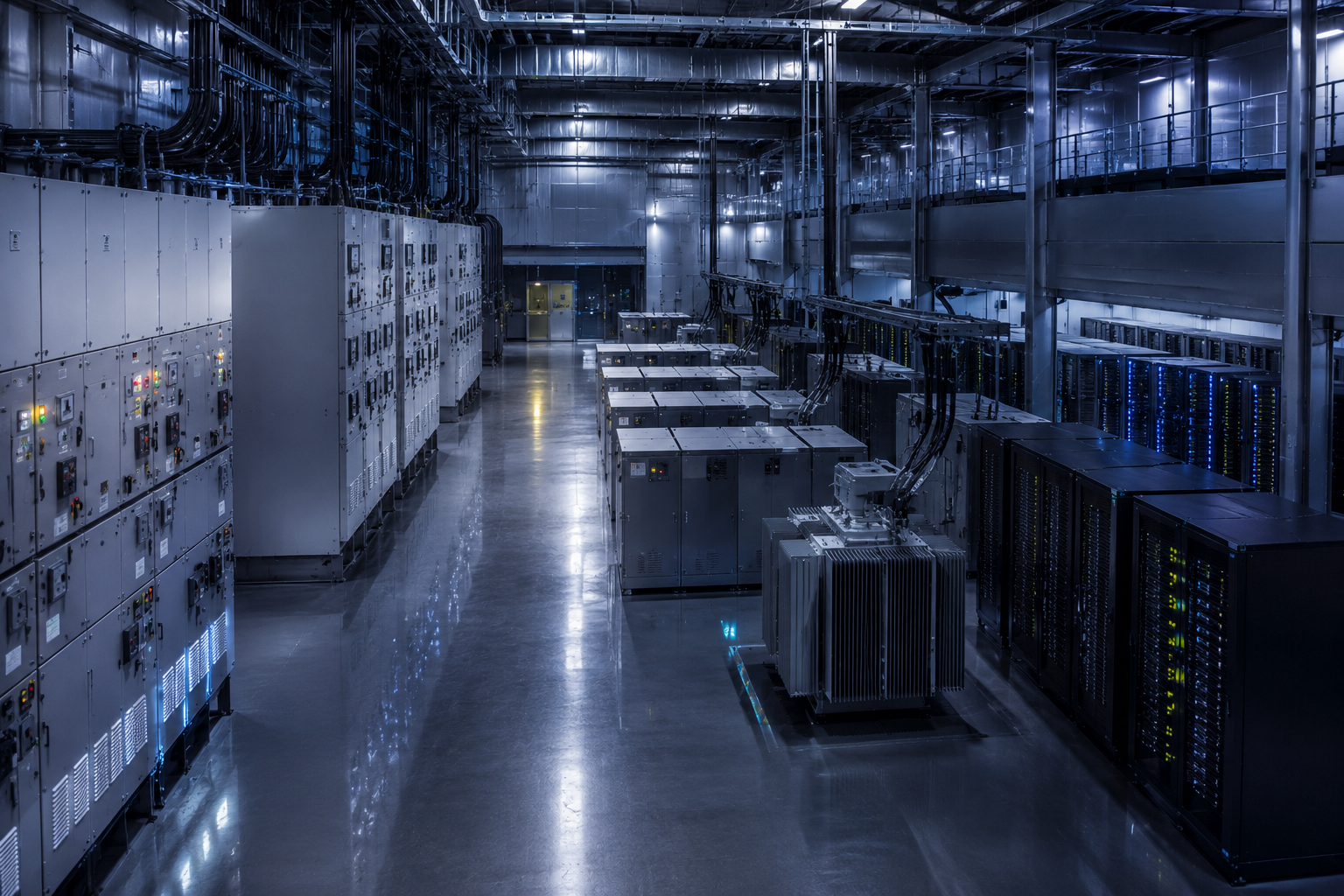
For years, data center developers, operators, and investors focused heavily on one metric: white space.
The larger the white space, the greater the potential revenue from housing servers, storage systems, and networking equipment. White space became the benchmark for capacity planning, expansion strategies, and valuation. However, the rapid rise of Artificial Intelligence (AI), high-performance computing (HPC), and hyperscale cloud infrastructure is fundamentally changing this equation
Today, the most valuable square footage inside a modern data center may no longer be the server hall—it is increasingly the electrical room. As AI workloads drive unprecedented power consumption, electrical infrastructure has emerged as the primary constraint to growth. Operators are discovering that adding racks is often easier than adding power.
The result is a major shift in data center design priorities, where electrical rooms, switchgear, UPS systems, battery energy storage, transformers, and power distribution systems are becoming strategic assets rather than support infrastructure.
Historically, data center economics revolved around maximizing rentable white space.
White space refers to the area occupied by:
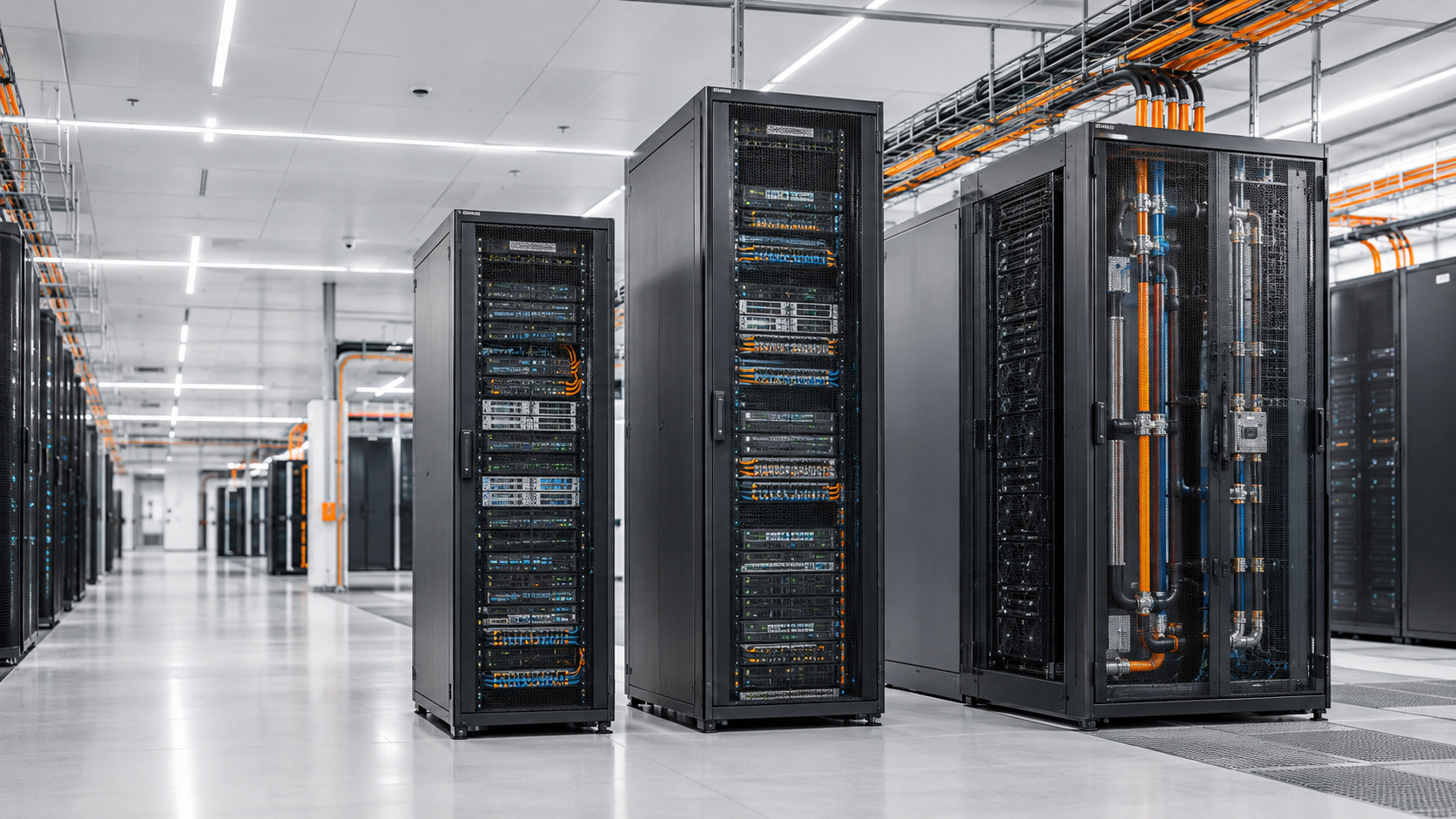
Server racks
Storage systems
Networking equipment
Customer colocation deployments
Compute infrastructure
The common belief was simple:
More white space = More racks = More revenue
Electrical infrastructure was viewed as a necessary utility that enabled operations but did not directly contribute to revenue generation.
This model worked because power densities remained relatively predictable.
A typical enterprise data center operated at:
3–5 kW per rack
5–10 kW for high-density environments
Limited cooling and power challenges
Today, those assumptions are rapidly becoming obsolete.
The AI revolution has dramatically increased the power requirements of data centers.
Training and running large language models require thousands of GPUs operating simultaneously.
Modern AI clusters built around GPUs from companies such as NVIDIA are pushing rack power densities to levels never seen before.
Typical rack densities today:
| Environment | Average Rack Density |
|---|---|
| Traditional Enterprise | 3–8 kW |
| Modern Colocation | 8–15 kW |
| Cloud Data Centers | 15–30 kW |
| AI Workloads | 30–80 kW |
| Advanced AI Clusters | 100–150+ kW |
Some next-generation AI deployments are already exceeding 200 kW per rack.
The challenge is no longer finding floor space.
The challenge is delivering sufficient power safely and reliably.
Across major markets worldwide, data center developers face a common problem:
Power availability is becoming the bottleneck.
Many facilities have available white space but cannot deploy additional racks because:
Utility power allocations are exhausted
Switchgear capacity is fully utilized
Transformer loading limits have been reached
UPS systems lack expansion capability
Distribution infrastructure cannot support higher densities
In other words:
The data center may have physical space available, but no electrical capacity available.
This is why electrical rooms are becoming some of the most valuable real estate within a facility.
Modern electrical rooms house the systems that determine how much compute capacity a data center can support.
These include:
Medium-voltage switchgear
Low-voltage switchboards
Transformers
UPS systems
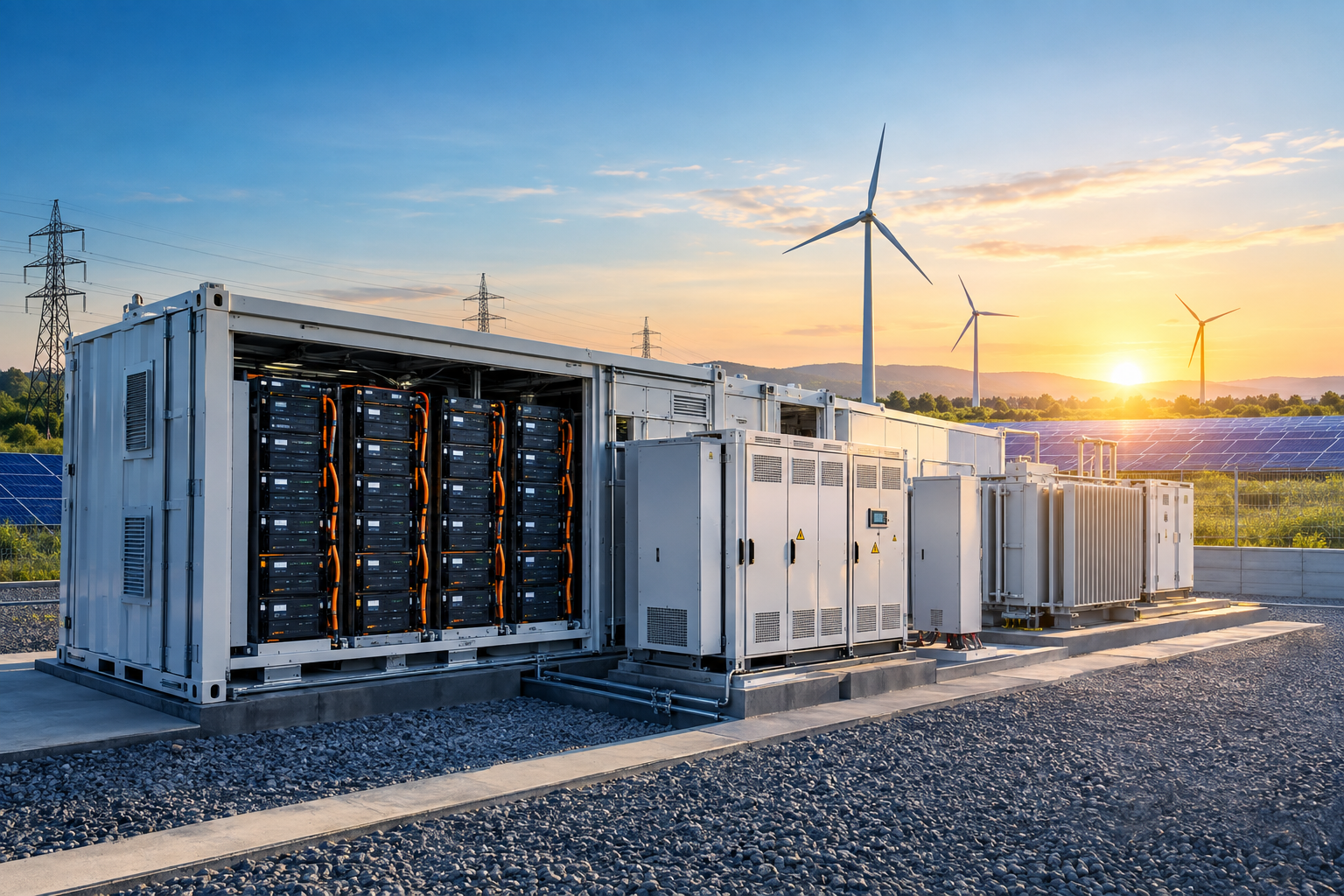
Battery Energy Storage Systems (BESS)
Power Distribution Units (PDUs)
Busbar systems
Protection and monitoring equipment
The capacity of these systems directly impacts:
Revenue generation
Rack deployment potential
Tenant acquisition
AI readiness
Future expansion capability
An under-sized electrical room can limit growth for years.
A scalable electrical room can enable future expansion without major construction.
Many developers now evaluate facilities based on megawatts rather than square footage.
Instead of asking:
"How many square feet are available?"
Customers increasingly ask:
"How many megawatts can you deliver?"
This shift is especially visible among:
Hyperscalers
AI infrastructure providers
Cloud service providers
GPU-as-a-Service operators
Large enterprise AI deployments
A 20 MW facility with limited white space may attract more demand than a larger facility with only 5 MW of available power.
The reason is simple:
Compute follows power.
Leading technology companies including Microsoft, Google, Amazon Web Services, and Meta are investing billions in securing power capacity for future AI growth.
In several global markets, hyperscalers are:
Reserving utility power years in advance
Acquiring land primarily for power access
Developing dedicated substations
Exploring small modular nuclear reactors
Integrating large-scale battery storage
Building larger electrical infrastructure footprints
The value proposition is no longer just real estate.
It is the ability to deliver reliable megawatts at scale.
A site with superior electrical infrastructure often commands a significant premium over a site with more available white space but limited power availability.
Traditional data centers were designed around predictable loads.
AI clusters create unique challenges:
GPU clusters consume dramatically more power than conventional servers.
AI training jobs can create sudden power spikes that stress electrical infrastructure.
Even short power disruptions can impact expensive AI workloads.
Higher power consumption translates directly into higher heat generation.
These requirements force operators to rethink electrical room design from the ground up.
Battery Energy Storage Systems are becoming critical components of modern electrical infrastructure.
BESS solutions help data centers:
Support peak shaving
Improve power quality
Reduce generator dependency
Enhance resilience
Participate in grid services
Support renewable energy integration
As AI power demand increases, battery storage is evolving from an optional enhancement to a strategic infrastructure asset.
This trend is expected to accelerate as data centers seek more flexible and sustainable power architectures.
One major challenge facing data center operators is uncertainty.
Predicting AI growth over the next five years is extremely difficult.
As a result, operators increasingly favor modular infrastructure solutions such as:
Modular switchboards
IEC 61439-compliant power distribution systems
Expandable UPS architectures
Scalable battery storage
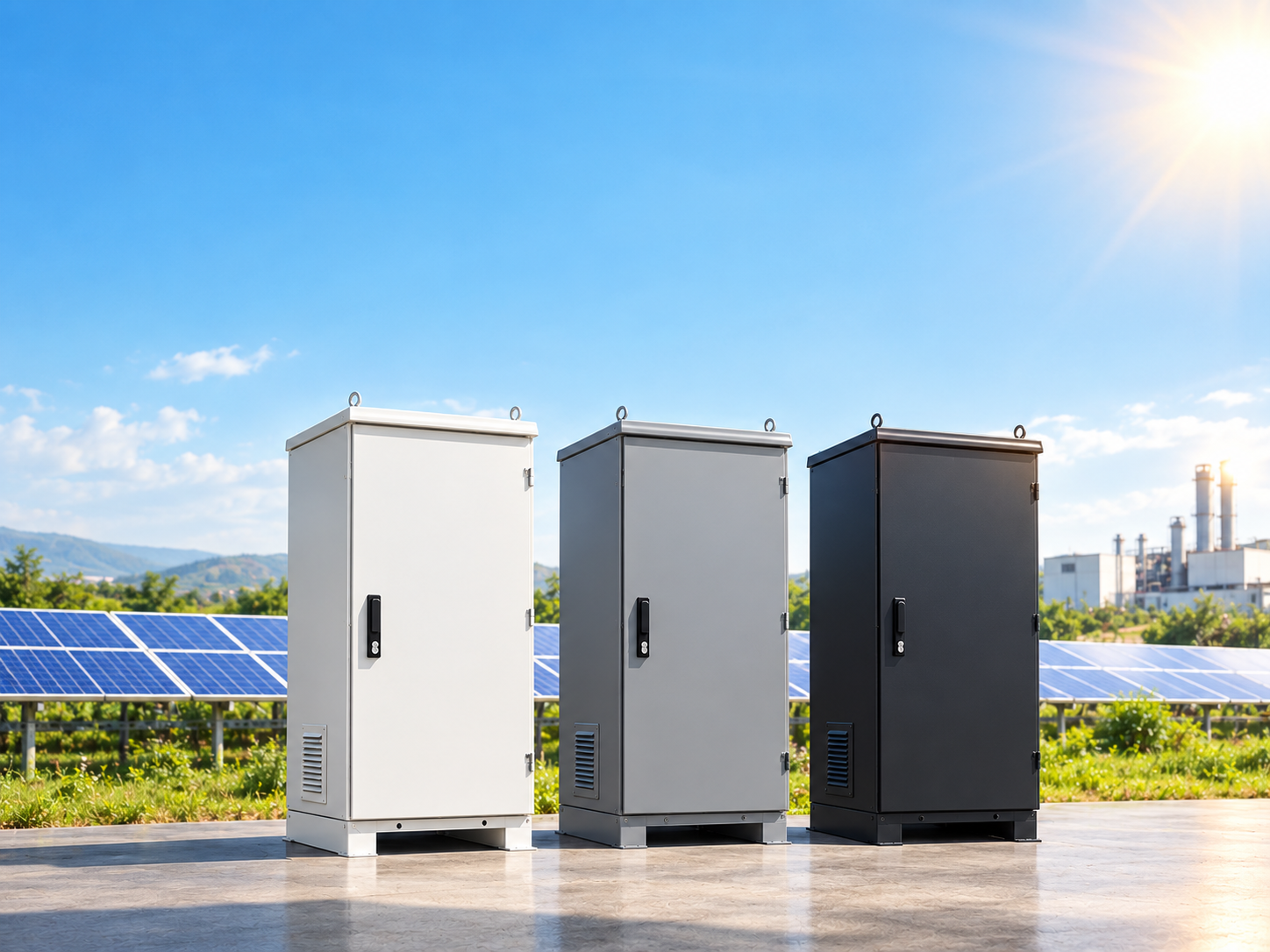
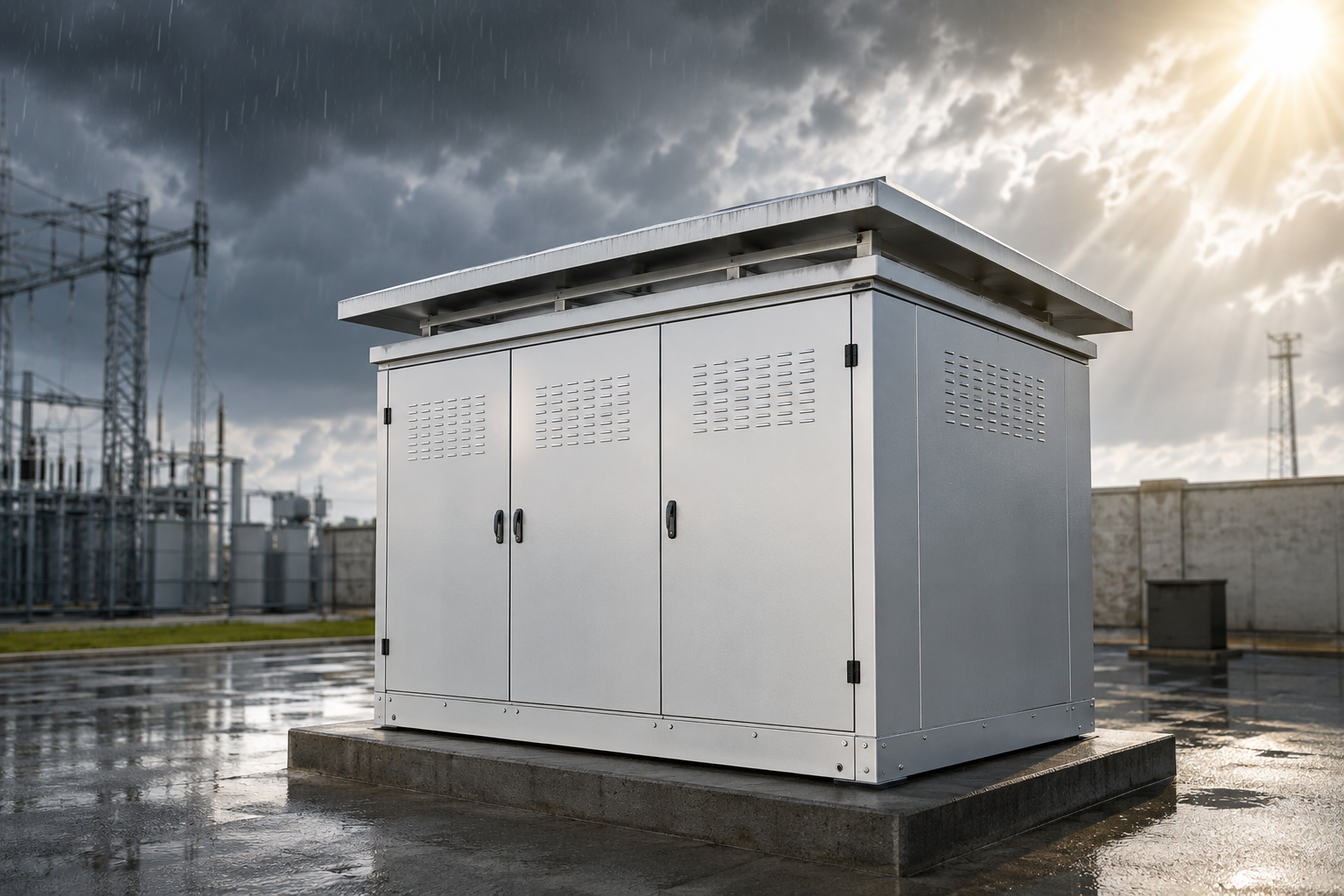
Modular electrical enclosures
|
Traditional Infrastructure |
Modular Infrastructure |
|
Large upfront investment |
Phased investment |
|
Difficult expansion |
Easy scalability |
|
Longer deployment cycles |
Faster deployment |
|
Higher downtime risk during upgrades |
Lower upgrade risk |
|
Fixed capacity planning |
Flexible capacity growth |
Modular electrical infrastructure enables data centers to align capital expenditure with actual demand growth.
A decade ago, electrical rooms occupied a relatively small portion of facility space.
Today, many new hyperscale facilities dedicate significantly larger footprints to:
Switchgear lineups
UPS rooms
Battery rooms
Transformer yards
Utility interconnection equipment
Power monitoring systems
The reason is straightforward.
Without adequate electrical infrastructure, white space cannot generate revenue.
The supporting power ecosystem has become just as important as the compute environment itself.
AI infrastructure is extraordinarily expensive.
A single rack of high-end GPUs can represent millions of dollars in hardware investment.
Any power interruption can result in:
Training job failures
Data loss
Operational disruption
Significant financial impact
This places greater emphasis on:
Type-tested switchboards
Reliable UPS systems
Advanced monitoring
Redundant distribution paths
High-quality battery systems
Intelligent power management
Electrical rooms have become mission-critical centers of operational resilience.
The next generation of data center competition will be centered around power.
Operators that can provide:
Higher available megawatts
Faster power deployment
Better power quality
Scalable electrical infrastructure
Renewable energy integration
Advanced energy storage
will gain a significant competitive advantage.
Industry analysts increasingly view power access as one of the biggest constraints on future AI growth.
As AI adoption accelerates, the importance of electrical infrastructure will only continue to rise.
For decades, white space was considered the most valuable asset inside a data center.
That era is changing.
The explosive growth of AI workloads, GPU clusters, and high-density computing is shifting the focus from square footage to electrical capacity. In many facilities, available power—not available space—is now the limiting factor.
Electrical rooms housing switchgear, UPS systems, transformers, battery energy storage systems, and power distribution equipment have become strategic assets that directly influence revenue, scalability, and operational resilience.
The data centers that succeed in the AI era will not simply be the ones with the most racks.
They will be the ones with the smartest, most scalable, and most resilient electrical infrastructure behind those racks.
In the age of AI, megawatts have become more valuable than square feet.
White space refers to the area within a data center that houses IT equipment such as servers, storage systems, and networking hardware.
AI workloads rely on high-performance GPUs that require significantly more electricity than traditional servers, often increasing rack densities beyond 100 kW.
Electrical rooms usually contain switchgear, switchboards, transformers, UPS systems, batteries, power distribution units, protection devices, and monitoring systems.
Many facilities have sufficient floor space but lack utility power allocations, switchgear capacity, or electrical distribution infrastructure needed to support additional IT loads.
Modular electrical infrastructure enables phased expansion, reduces upfront investment, accelerates deployment timelines, and supports future scalability without major redesigns.