Industrial electrical panels are designed to operate reliably for years—but the real test comes during a fault. A short circuit is not just an electrical abnormality; it is a violent event involving extreme currents, intense heat, and powerful electromagnetic forces. Whether a panel survives or fails catastrophically depends largely on one critical parameter: Short-Circuit Withstand Rating (SCWR).
In this blog, we’ll break down what short-circuit withstand ratings really mean, why fault current levels matter, how improper ratings lead to failures, and what industry leaders do differently to prevent disasters.
What Is Short-Circuit Withstand Rating (SCWR)?
The Short-Circuit Withstand Rating of an industrial panel is the maximum short-circuit current it can safely endure for a specified duration—usually 1 second or 3 seconds—without causing:
This rating is expressed in kA (kiloamperes), such as 25 kA, 50 kA, or 65 kA at 415 V.
In simple terms:
SCWR defines how much electrical violence your panel can survive.
Why Fault Current Levels Matter
1. Fault Current Is Not The Same Everywhere
The available short-circuit current depends on:
A panel near a 2000 kVA transformer may experience 50–65 kA, while the same panel downstream could see only 10–15 kA.
Designing without accurate fault level calculation is one of the most common and dangerous mistakes.
2. High Fault Currents Create Extreme Forces
During a short circuit:
If the panel is not rated for these forces, components physically deform or explode.
What Happens When SCWR Is Improper?
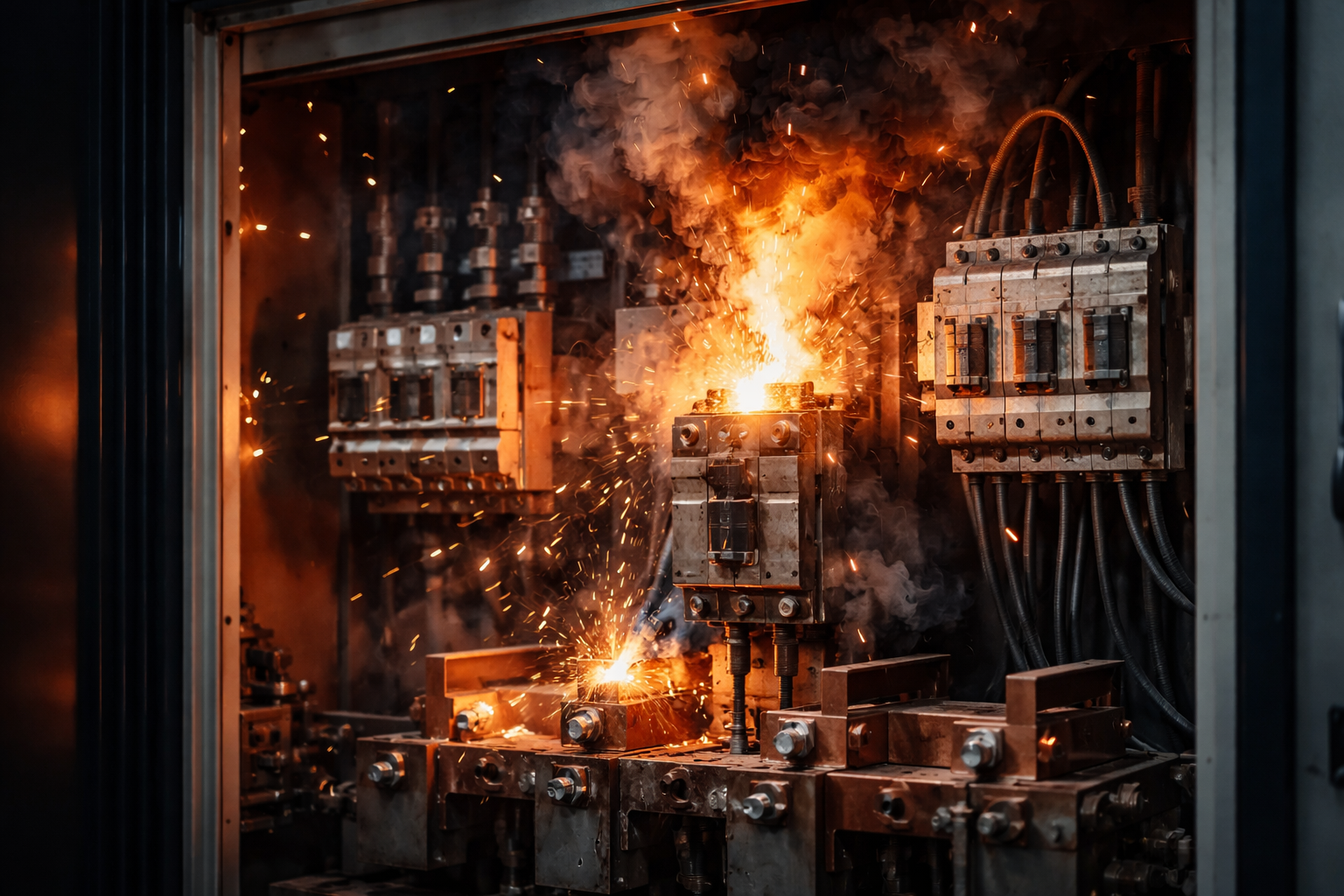
Improper short-circuit ratings don’t fail gracefully—they fail violently.
Common Consequences:
These failures often occur before protective devices can clear the fault.
Real-Life Industrial Failure Examples
Example 1: Underrated Panel in a Manufacturing Plant
A mid-sized manufacturing unit installed a PCC panel rated at 25 kA, assuming it was sufficient. Later, a transformer upgrade increased the available fault current to 42 kA.
During a phase-to-phase fault:
Post-audit revealed the panel had never been verified against actual fault levels.
Example 2: How Top Players Avoid This – ABB & Siemens
Global leaders like ABB and Siemens conduct:
Their panels often exceed nominal ratings, offering real-world safety margins.
Example 3: Schneider Electric’s Approach
Schneider Electric integrates:
This ensures that even if a fault occurs, damage is localized—not catastrophic.
Key Components Affected by Short-Circuit Forces
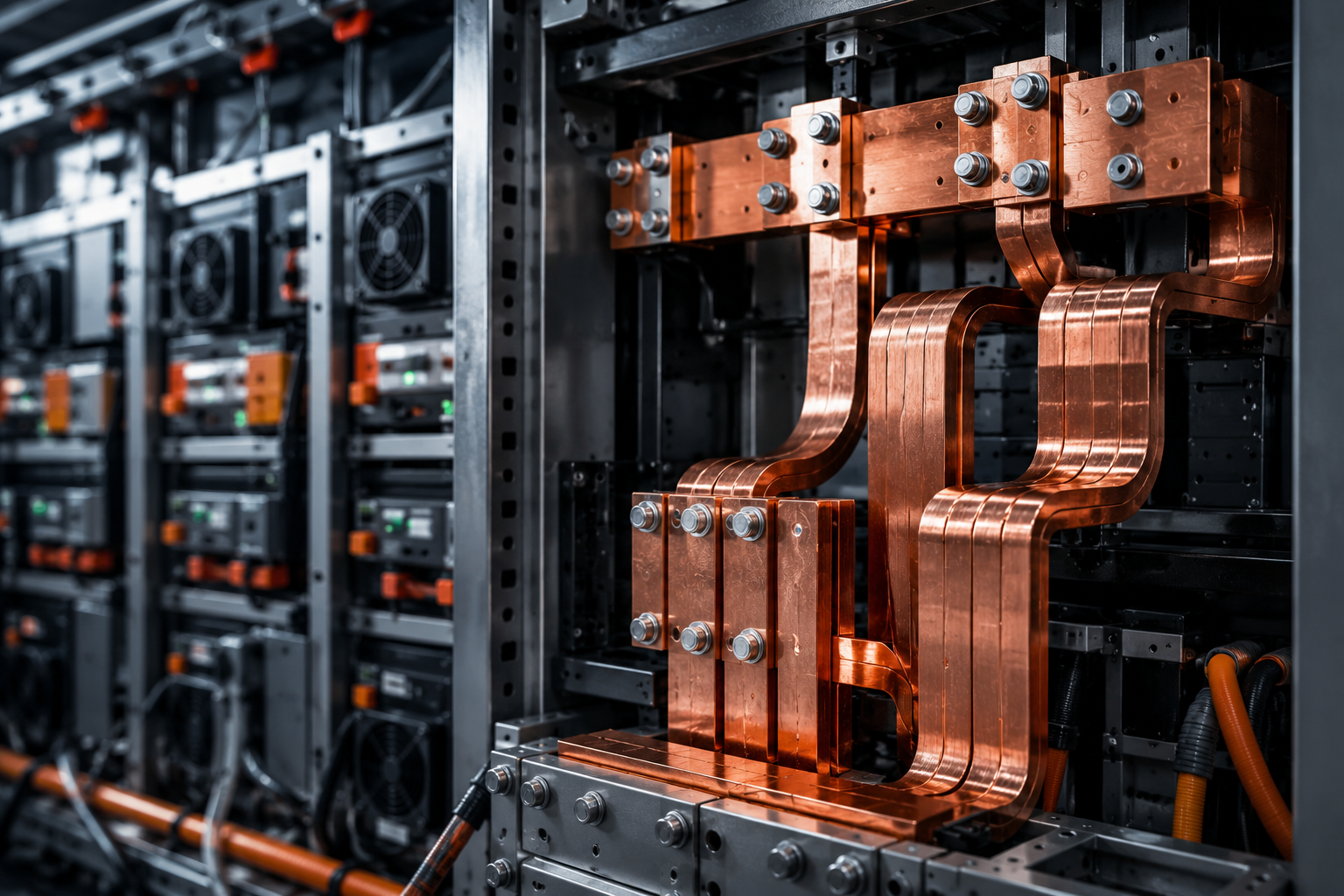
1. Busbars
2. Circuit Breakers
3. Cable Terminations
4. Panel Enclosure
SCWR vs Breaking Capacity: A Common Confusion
Many engineers confuse breaker breaking capacity with panel withstand rating. They are not the same.
Comparison Table: SCWR vs Breaking Capacity
|
Parameter |
Short-Circuit Withstand Rating (SCWR) |
Breaking Capacity of Breaker |
|
Applies to |
Entire panel assembly |
Individual breaker |
|
Purpose |
Withstand fault forces |
Interrupt fault current |
|
Duration |
1–3 seconds |
Instantaneous |
|
Mechanical stress |
Considered |
Limited |
|
Thermal effects |
Considered |
Partially considered |
|
Safety implication |
Prevents panel destruction |
Prevents circuit damage |
A breaker may interrupt the fault, but if the panel cannot withstand the initial forces, failure occurs before interruption.
Standards Governing Short-Circuit Ratings
Industrial panels must comply with:
Top manufacturers like Larsen & Toubro (L&T) and Siemens rely heavily on type-testing, not assumptions.
How Improper Ratings Enter Projects
Common Causes:
These shortcuts often remain hidden until the first major fault.
Best Practices to Ensure Correct SCWR
1. Perform Fault Level Calculations Early
Always calculate available fault current at:
2. Match Panel Rating, Not Just Breaker Rating
The entire assembly must be rated for the fault level.
3. Demand Type-Tested Designs
Prefer panels with:
4. Choose Reputed Technology Partners
Industry leaders like:
invest heavily in testing and validation.
Why SCWR Is a Business Risk, Not Just a Technical One
Ignoring short-circuit withstand ratings can lead to:
In many industrial incidents, investigation reports clearly cite “panel not rated for available fault current” as the root cause.
Future Trends: Smarter, Safer Panels
Modern industrial panels now include:
This shift reflects a growing understanding that electrical safety is a system-level responsibility, not just a component choice.
Conclusion
Short-circuit withstand ratings are not a checkbox—they are the difference between controlled protection and catastrophic failure. Fault currents act faster and more violently than most people realize, and once a panel is exposed to forces beyond its rating, no breaker can save it.
Industrial leaders understand this. They design, test, and validate panels as complete systems. For everyone else, the lesson is clear: calculate accurately, specify correctly, and never compromise on SCWR.
Frequently Asked Questions (FAQs)
1. What is a safe SCWR for industrial panels?
It depends on available fault current, but most modern PCC panels are rated between 35 kA to 65 kA at 415 V.
2. Is breaker breaking capacity enough for safety?
No. The panel assembly must also withstand mechanical and thermal forces during the fault.
3. How long must a panel withstand a short circuit?
Typically 1 second or 3 seconds, as defined by standards like IEC 61439.
4. Can SCWR be increased after installation?
Practically no. It requires redesign, reinforcement, or complete panel replacement.
5. Why do top manufacturers rarely face panel failures?
Because companies like ABB, Siemens, and Schneider rely on type-tested, validated designs, not assumptions.
Why Internal Equipment Placement Makes or Breaks Reliability
Read More