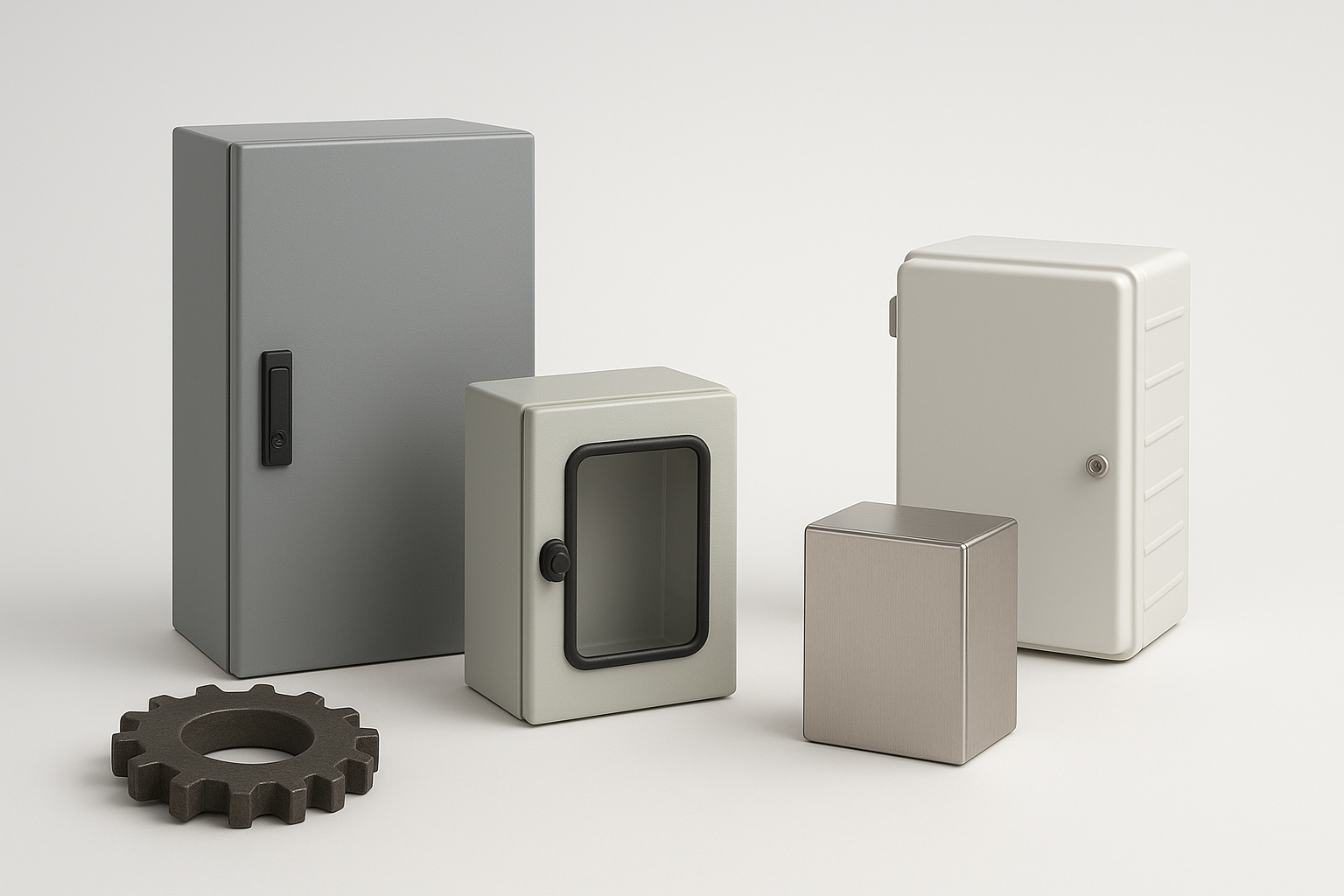
Industrial enclosures in India have evolved from simple metal boxes into high-performance, smart, compliant, and environment-ready infrastructure components. With India’s rapid growth in manufacturing, renewable energy, railways, EV charging, battery energy storage, and hyperscale data centers, the demand for reliable industrial enclosures has surged dramatically. In 2025, Indian industries expect enclosures to deliver high ingress protection, thermal reliability, corrosion resistance, smart monitoring, and long-term durability—all while meeting IP/NEMA/IEC standards. This blog explores the trends, materials, compliance demands, and real-world Indian case studies that define the future of industrial enclosures.
Why Industrial Enclosures Are Critical for India in 2025
India is undergoing a massive infrastructure, power, and digital transformation:
All these applications need dustproof, weatherproof, corrosion-resistant enclosures that can withstand India’s extreme climate—from high-UV terrains of Rajasthan to salty coastal belts like Mumbai, Chennai, Vizag, and Kochi.
Top Trends Shaping Industrial Enclosures in India (2025)
1. Smart / IoT-Enabled Enclosures Becoming Mainstream
Remote monitoring is becoming a default requirement.
Indian integrators and OEMs now demand enclosures equipped with:
Real Example
Adani Solar parks deploy IoT-enabled RTU and inverter enclosures for remote performance tracking. BESS operators like Amara Raja & Exide use smart enclosure monitoring for battery thermal safety.
2. Thermal Management Is Now Engineering Priority #1
High-density electronics in India’s hot climate require advanced thermal solutions.
New demands include:
Real Example
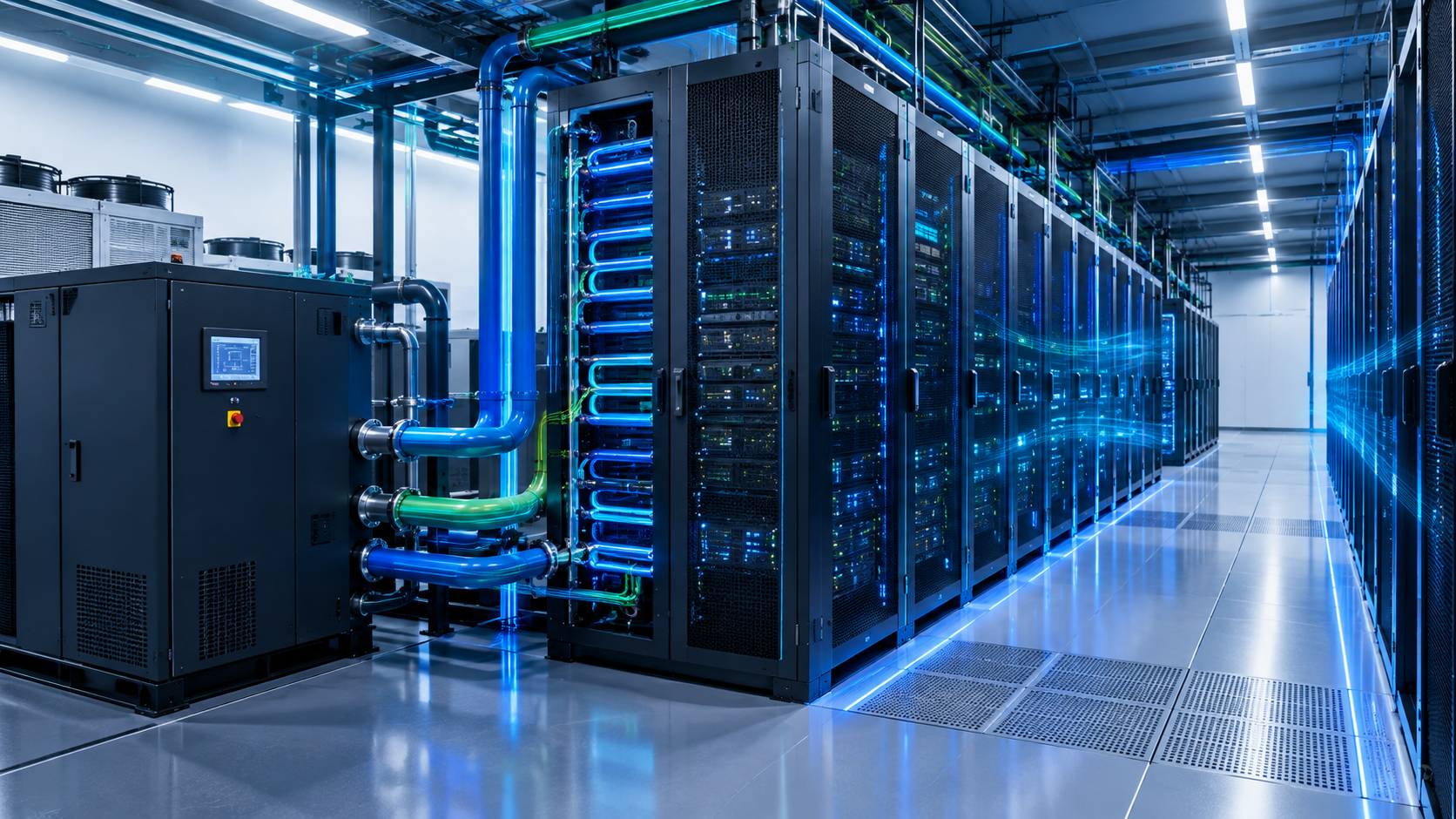
Navi Mumbai, Hyderabad and Noida data centers use specially engineered steel enclosures with forced cooling for LV switchgear and UPS systems. Schneider, Vertiv, and Hitachi Energy solutions are widely deployed.
3. Rising Preference for Corrosion-Resistant Materials
India’s coastal and industrial belts face:
So material selection is shifting from standard CRCA steel to:
Real Example
Mumbai Metro, Chennai Port, Kochi Water Metro and refinery zones (HPCL, IOCL, BPCL) increasingly specify SS316 enclosures for long-term reliability.
4. Sustainability and “Make in India” Impact Material Choices
Real Example
Indian OEMs supplying to L&T, Tata Projects, BHEL, and PowerGrid now design enclosures using recycled steel and powder coatings with low environmental impact.
5. Modular, Scalable & Hybrid Enclosures for Multi-Use Applications
India’s fast-paced deployment cycles demand:
Real Example
RailTel edge computing sites and BSNL fiber nodes use rack+industrial hybrid enclosure designs.
6. Security & Compliance Becoming Part of Product DNA
Indian sectors like data centers, metros, utilities, and renewables now demand:
Real Example
Delhi Metro Rail Corporation (DMRC) has strict specifications for tamper monitoring, stainless-steel bodies, and IP67-certified field junction boxes.
Material Selection for Indian Conditions (With Comparison Table)
Material choice dramatically affects enclosure lifespan, especially under India’s diverse climate.
Comparison Table – Materials for Industrial Enclosures in India (2025)
|
Material |
Strength |
Corrosion Resistance |
Heat Handling |
Weight |
Ideal Indian Applications |
|
CRCA Steel |
High |
Low–Medium (needs coating) |
Medium |
Heavy |
Factories, indoor panels, PLC enclosures |
|
Stainless Steel 304/316 |
High |
Excellent |
Medium |
Heavy |
Coastal areas, chemical plants, metros, refineries |
|
Aluminium |
Medium |
Very Good |
Excellent (heat dissipation) |
Light |
Solar inverters, BESS cabinets, telecom, EV chargers |
|
GRP / Polycarbonate |
Medium |
Excellent |
Low |
Light |
Outdoor junction boxes, high-corrosion zones, utility poles |
|
Composite Polymers |
Medium |
High |
Low |
Light |
Smart-city IoT boxes, battery cases, street-side installations |
Compliance Standards That Matter in India
Indian projects usually follow a mix of global and domestic compliance standards:
1. IP Ratings (IEC 60529)
IP65 / IP66 / IP67 are most common in India:
Examples
2. NEMA Ratings (US Standard)
Indian export-focused OEMs often use NEMA equivalents:
Examples
Indian manufacturers supplying to the Middle East/Africa follow NEMA 4X for desalination plants and oil & gas EPCs.
3. Indian Industry Standards
Examples
Real-Life Use Cases
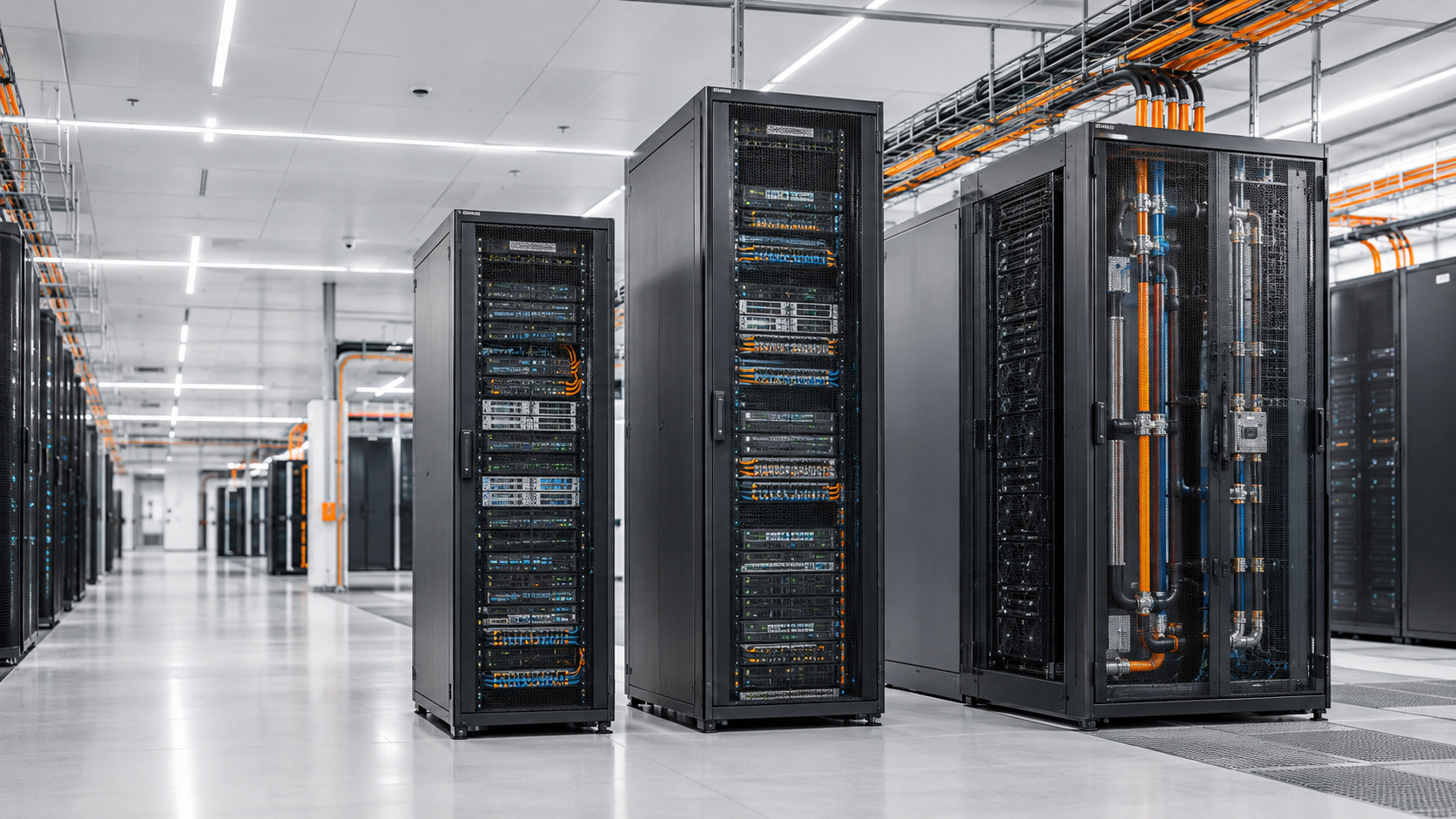
1. Data Centers (CtrlS, STT, Nxtra, Yotta)
Use high-density enclosures for:
Many require IP55+, arc-flash tested, and thermal-engineered cabinets.
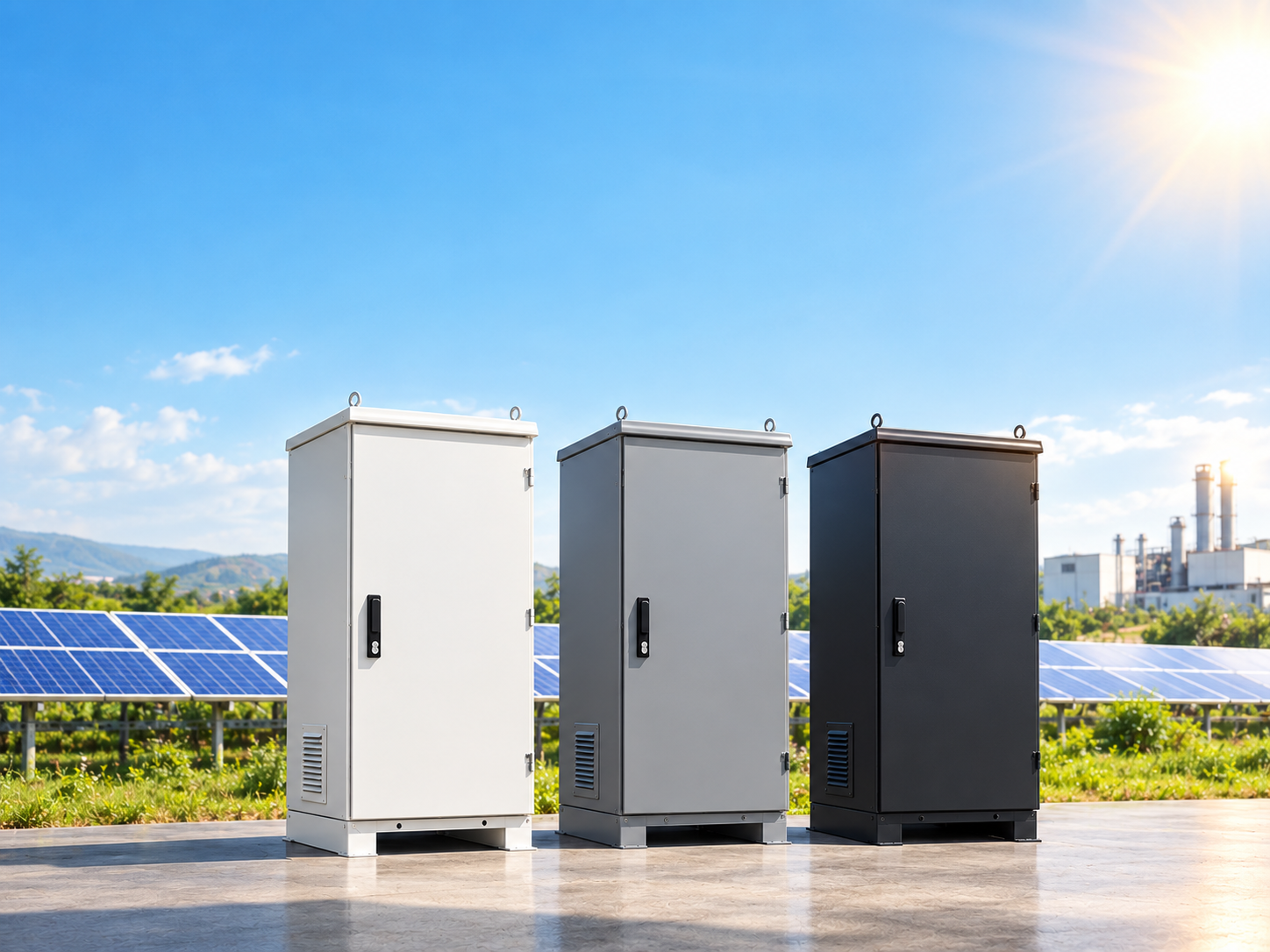
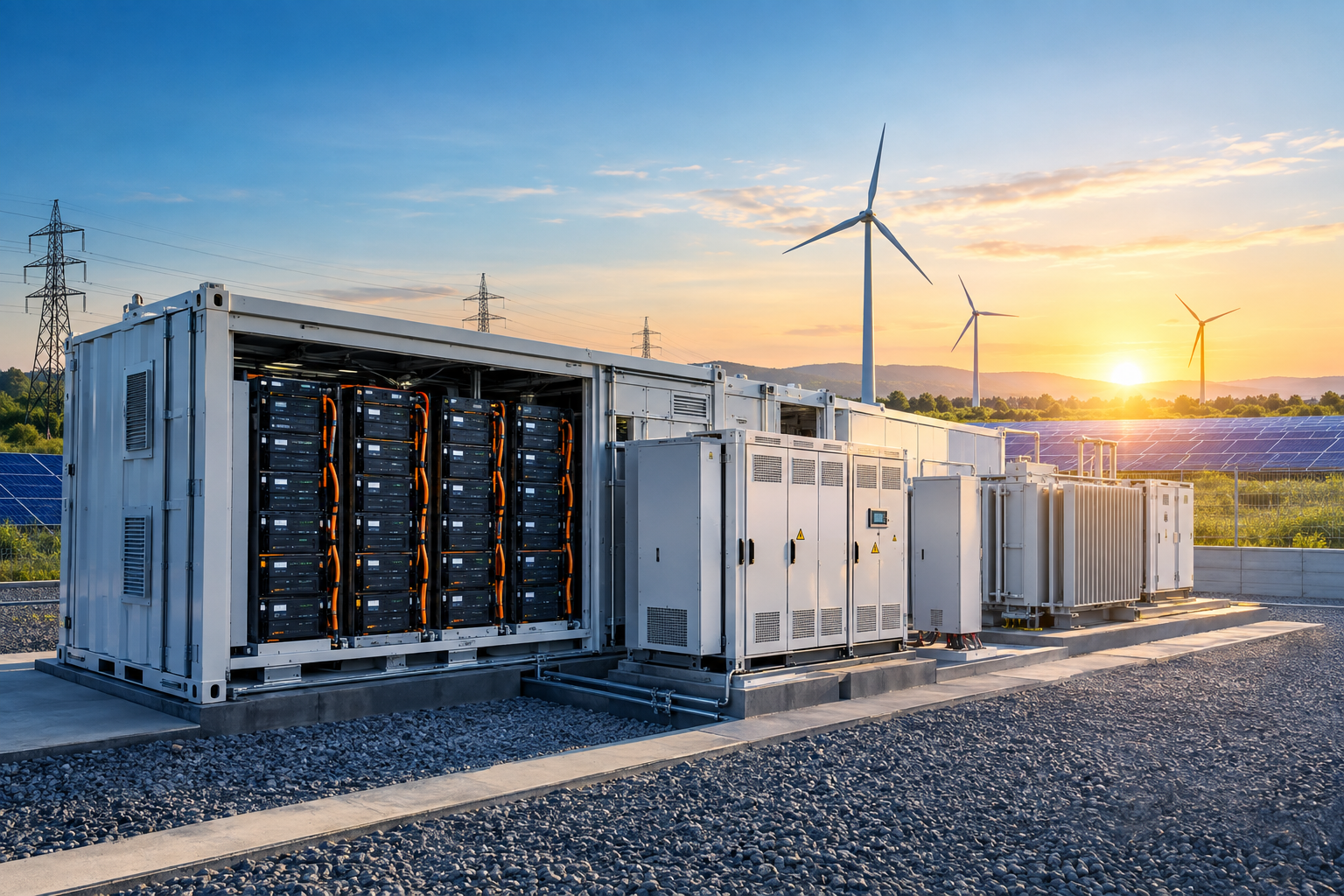
2. Solar & BESS Projects (Adani, ReNew, JSW, Tata Power, Azure)
Use outdoor-grade enclosures for:
These require IP66, sunshield, and high corrosion resistance.
3. Railways & Metro (RDSO, DMRC, MMRC, L&T Metro)
Use rugged enclosures for:
Require SS304/316, anti-vibration, and tamper-proof features.
4. EV Charging Infrastructure (Tata Power, JioBP, Statiq, ChargeZone)
Use outdoor cabinets for:
Need NEMA 4X/IP65 with excellent heat dissipation (aluminium preferred).
How to Specify the Best Enclosure for Indian Conditions
Use this practical checklist:
1. Study the installation environment
Temperature, humidity, salinity, dust load, UV exposure.
2. Define IP/NEMA rating
Outdoor India = minimum IP65.
3. Select the right material
Coastal → SS316
Solar/BESS → Aluminium
Industrial plants → CRCA/SS304
Chemical zones → GRP/polycarbonate
4. Consider thermal requirements
India’s heat demands:
5. Include IoT/smart features
Remote access, alarms, sensors.
6. Check certification needs
IEC 61439, IS standards, UL, CE, EMC.
7. Future-proof the design
Allow extra cable space, modularity, field upgradability.
Conclusion: India’s Future Needs Smart, Durable & Compliant Enclosures
Industrial enclosures in India are no longer just protective boxes—they are engineered systems built for performance, reliability, remote monitoring, and long service life.
With India leading in renewable energy, BESS, railways, EV charging, and hyperscale digital infrastructure, enclosure innovation will continue accelerating.
Whether you’re deploying a rooftop solar inverter in Gujarat, a BESS container in Leh, a railway signalling cabinet in Visakhapatnam, or a data center switchgear panel in Mumbai—the right enclosure ensures uptime, safety, efficiency, and compliance.
FAQs
1. What is the primary purpose of industrial enclosures in modern Indian industries?
Industrial enclosures protect electrical and electronic components from dust, water, heat, chemicals, vibrations, and physical impact. In India’s harsh conditions—like high temperatures, humidity, and dust—they ensure system reliability and safety across sectors like data centers, railways, EV charging, solar, and manufacturing.
2. Which industries in India are seeing the highest demand for advanced industrial enclosures in 2025?
In 2025, demand is highest in:
3. What level of protection (IP/NEMA rating) is recommended for Indian environmental conditions?
For Indian climates—which include monsoons, dust-heavy regions, coastal corrosion, and extreme heat—recommended standards are:
4. How do materials like MS, SS304, SS316, and polycarbonate compare for enclosure applications in India?
5. What compliance requirements must enclosure manufacturers meet in India in 2025?
Key compliance standards include:
CE/RoHS – Required for global supply chain compatibility
Many major players—such as L&T Electrical, Schneider Electric India, ABB, and Brick & Byte—design enclosures adhering to these global norms.