India’s industrial manufacturing ecosystem is transforming at the fastest pace in its history.
Mega-growth in data centres, EV manufacturing, solar, BESS, oil & gas, refining, food processing, pharma, infrastructure, and automation has pushed one factor to the top of every tender, audit, and purchase order:
Product Certification.
Today, whether you supply a simple electrical enclosure or a complex explosion-proof control panel, certifications determine if you win the project—or get rejected in the first meeting.
But the Indian certification landscape is often misunderstood.
BIS, IS/IEC, PESO, ISO, NABL, TPIA…
Then add global standards—UL, CE, ATEX—and things get confusing.
This comprehensive guide breaks down everything in a clear, practical and India-first way.
1. Why Certifications Are Now “Business-Critical” in India
India’s growth story is being driven by high-compliance industries:
The message is clear:
In India, Compliance = Credibility = Contracts.
If your product isn’t certified, you’re not even allowed into the bidding room.
2. India’s Certification Framework: The “Core 4”
India’s industrial certification ecosystem revolves around:
Let’s decode each.
A. BIS Certification (Mandatory for Many Industrial & Electrical Products)
BIS is India’s national standards authority, responsible for safety, quality, and product reliability.
Products where BIS is mandatory (CRS Scheme):
Why BIS matters in India
Real Example
A leading panel builder in Pune supplying to Tata Motors was rejected because their MCB suppliers didn’t have current BIS certification for the model used—even though the brand was reputable.
Lesson: BIS is product-specific, not brand-specific.
B. IS/IEC Standards (India's Technical Backbone)
India adopts global IEC standards and harmonizes them as IS/IEC standards.
Most important standards for industrial manufacturers
Unlike BIS, IS/IEC compliance is not always mandatory—but always required by buyers.
Example
Data center EPCs like Schneider Electric, NTT, CtrlS, Yotta require IS/IEC 61439 Type-Tested panels.
Without this certification, suppliers are automatically disqualified.
C. PESO / CCOE Certification (Mandatory for Hazardous Areas)
PESO governs all equipment used in industries where fire, chemicals, gases, and flammable vapours pose a risk.
Industries requiring PESO
Products requiring PESO
Real Example
A global EPC contractor (L&T Hydrocarbon) rejected an entire shipment of flameproof junction boxes for a refinery in Jamnagar because—
- Certificates were IECEx, but not approved by PESO India, which is mandatory regardless of international approvals.
Takeaway:
IECEx / ATEX are NOT substitutes for PESO in India.
D. ISO Certifications (Vendor Qualification Essentials)
Every major buyer in India—public or private—demands ISO standards:
ISO does not certify products—it certifies companies.
This is essential for:
Example
A Gujarat-based fabrication supplier got empanelled with Reliance Industries Limited (RIL) only after achieving ISO 9001 + ISO 45001.
3. Where UL, CE & IEC Fit into the Indian Market
Even though this is an “India-first” blog, global certifications still influence Indian buyers.
UL is relevant in India when:
CE is relevant when:
IEC (non-IS version) is relevant when:
But for Indian tenders, IS/IEC + BIS + PESO dominates.
4. Comparison Table: Indian Certifications vs Global Certifications
|
Feature |
BIS (India) |
IS/IEC (India) |
PESO (India) |
ISO (Company) |
UL (US) |
CE (EU) |
|
Mandatory in India |
Yes (for many products) |
For most industrial buyers |
For hazardous area equipment |
For vendor approval |
Not mandatory |
Not mandatory |
|
Applies To |
Electrical & electronic products |
Industrial equipment |
EX-proof equipment |
Companies, processes |
Export products |
Export products |
|
Used By |
Govt & private sector |
All Indian industries |
Oil & gas, refineries |
All industries |
US buyers |
EU buyers |
|
Requires Testing |
Yes (BIS labs) |
NABL labs |
Approved labs |
Audit-based |
UL labs |
Self-declaration + testing |
|
Used in Indian Tenders |
Always |
Always |
Mandatory (if applicable) |
Always |
Optional |
Optional |
5. Certification Requirements by Sector
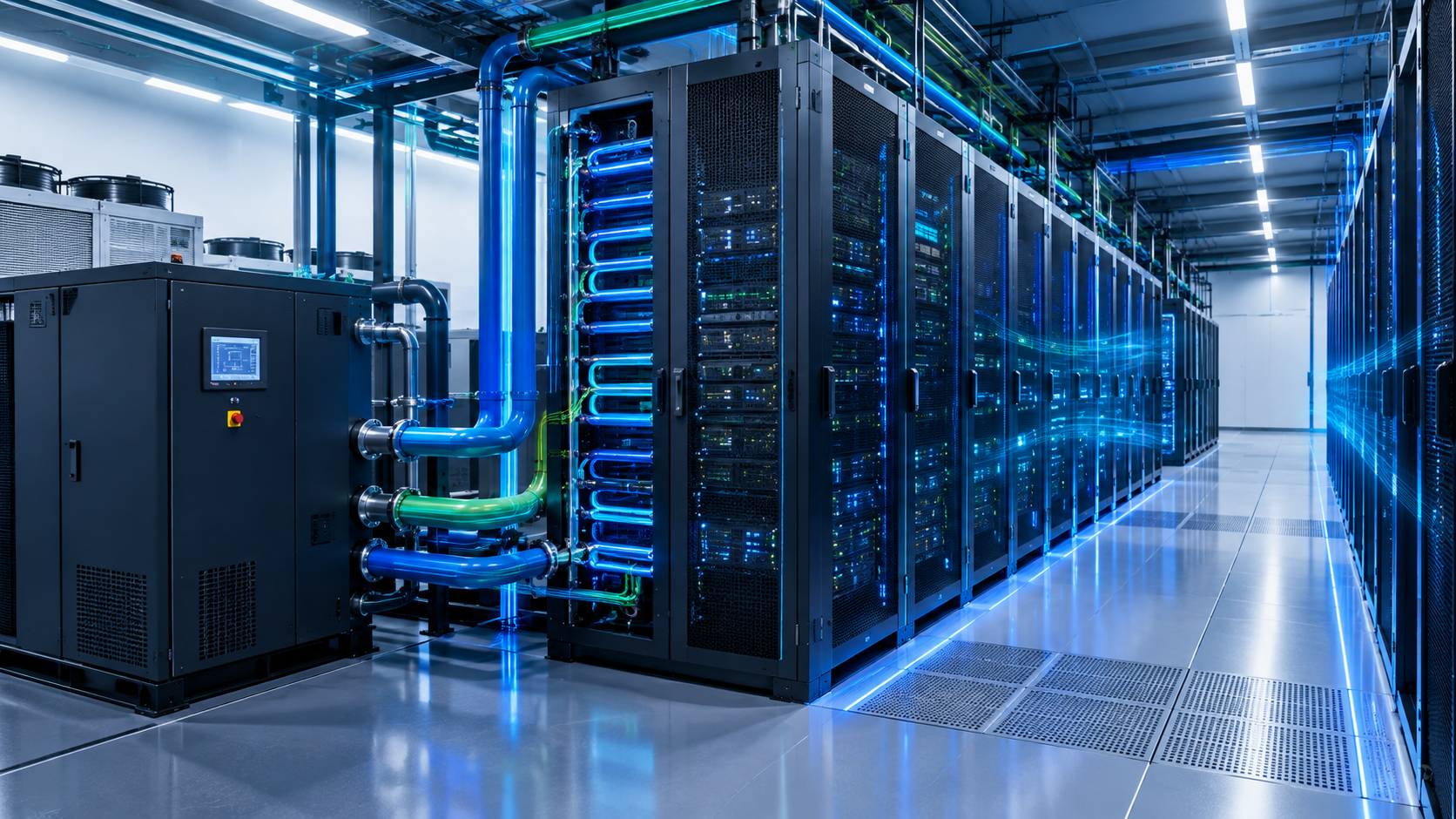
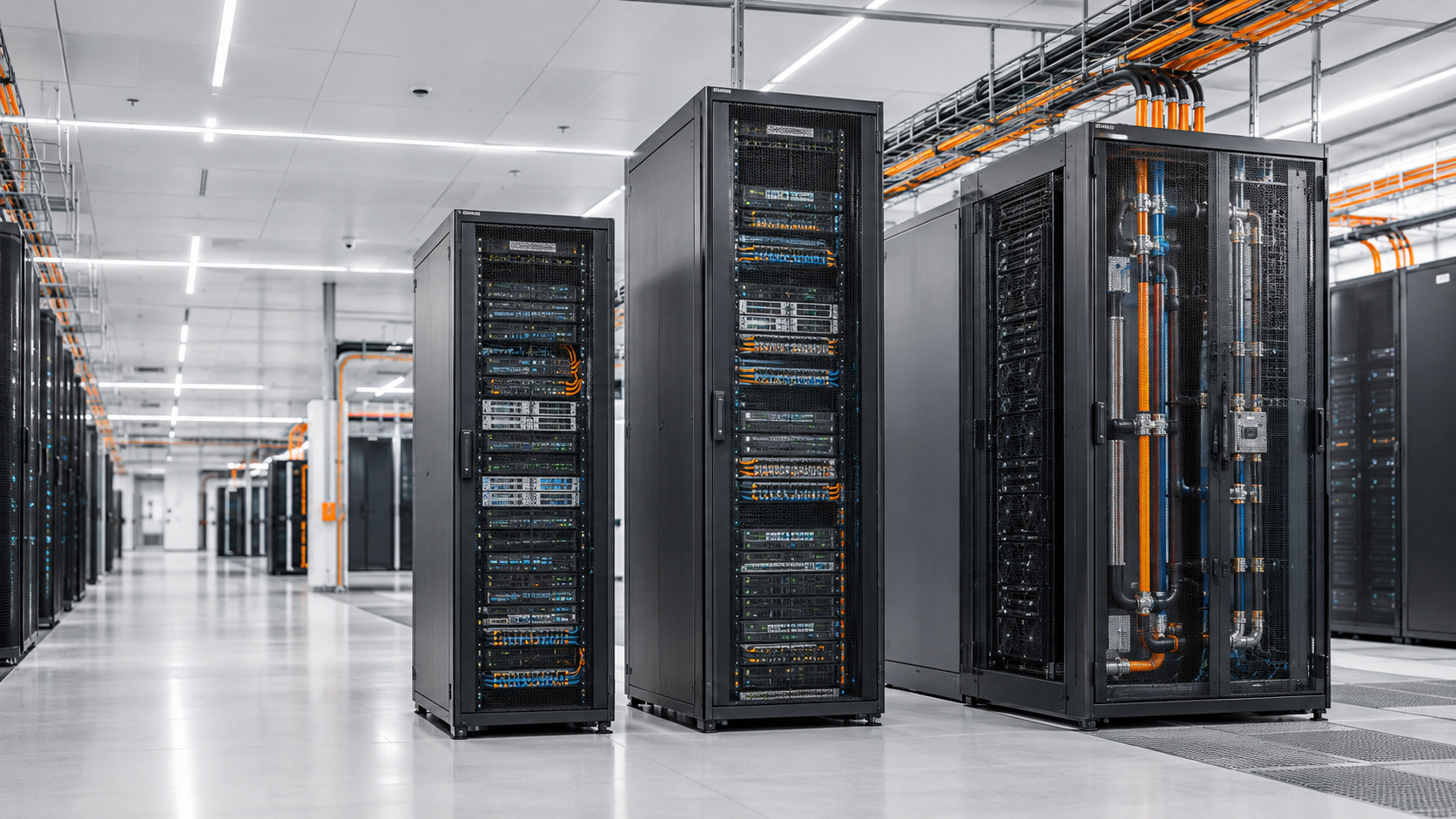
A. Data Centers (Mumbai, Hyderabad, Noida, Chennai)
Demanded by: Adani, Yotta, CtrlS, STT GDC, NTT
Certifications Needed:
Example:
A Bengaluru panel builder won a ₹12 crore contract from NTT Data Center only after upgrading their panels to IS/IEC 61439 Form 4B with UL94 certified components.
B. Oil, Gas & Refinery
Clients: Reliance, ONGC, IOCL, BPCL, HPCL, EIL
Certifications:
Example:
EIL rejected 62 motors in a refinery project because their EX certificates were not validated under the PESO scheme—despite being ATEX compliant.
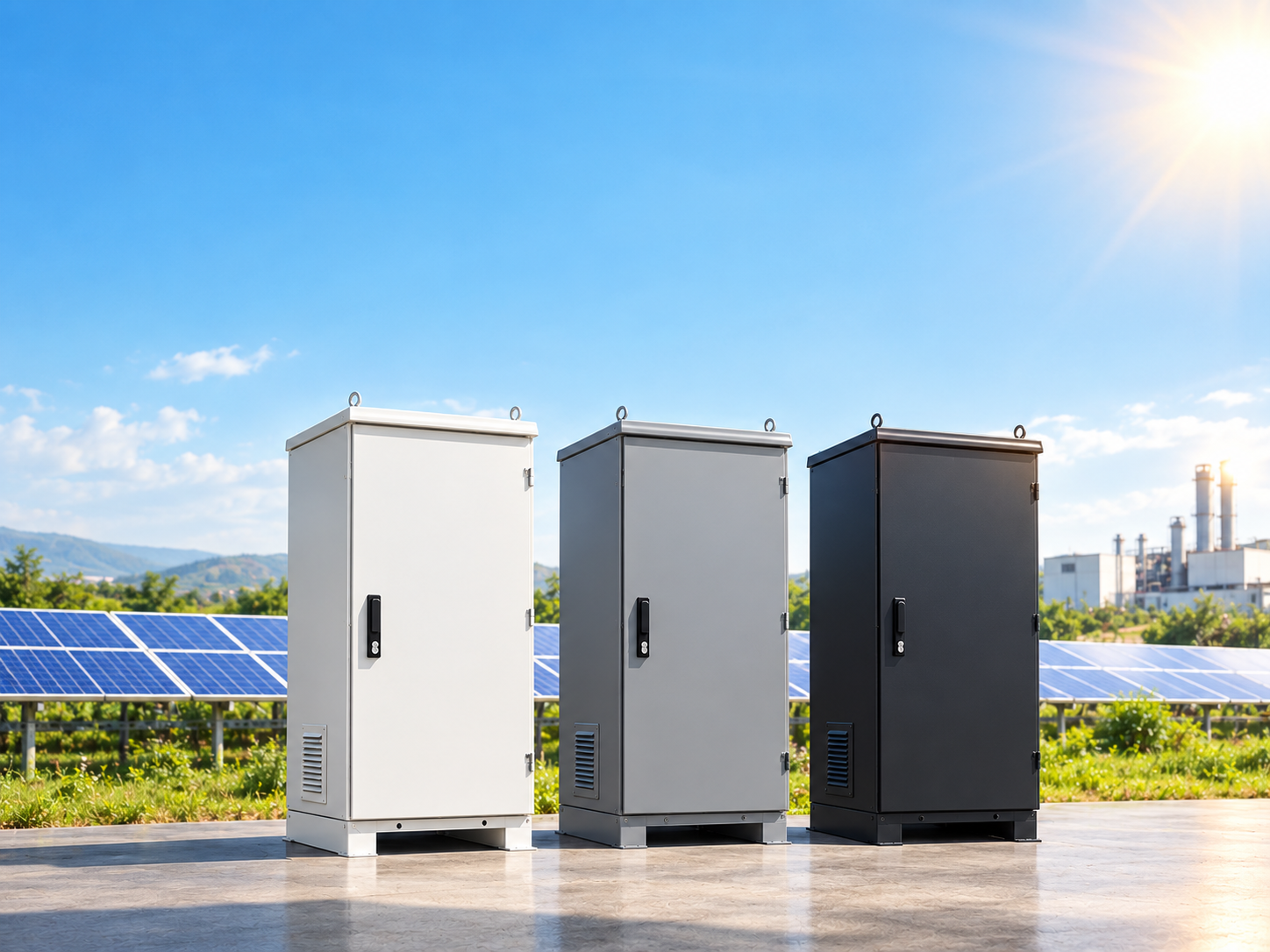
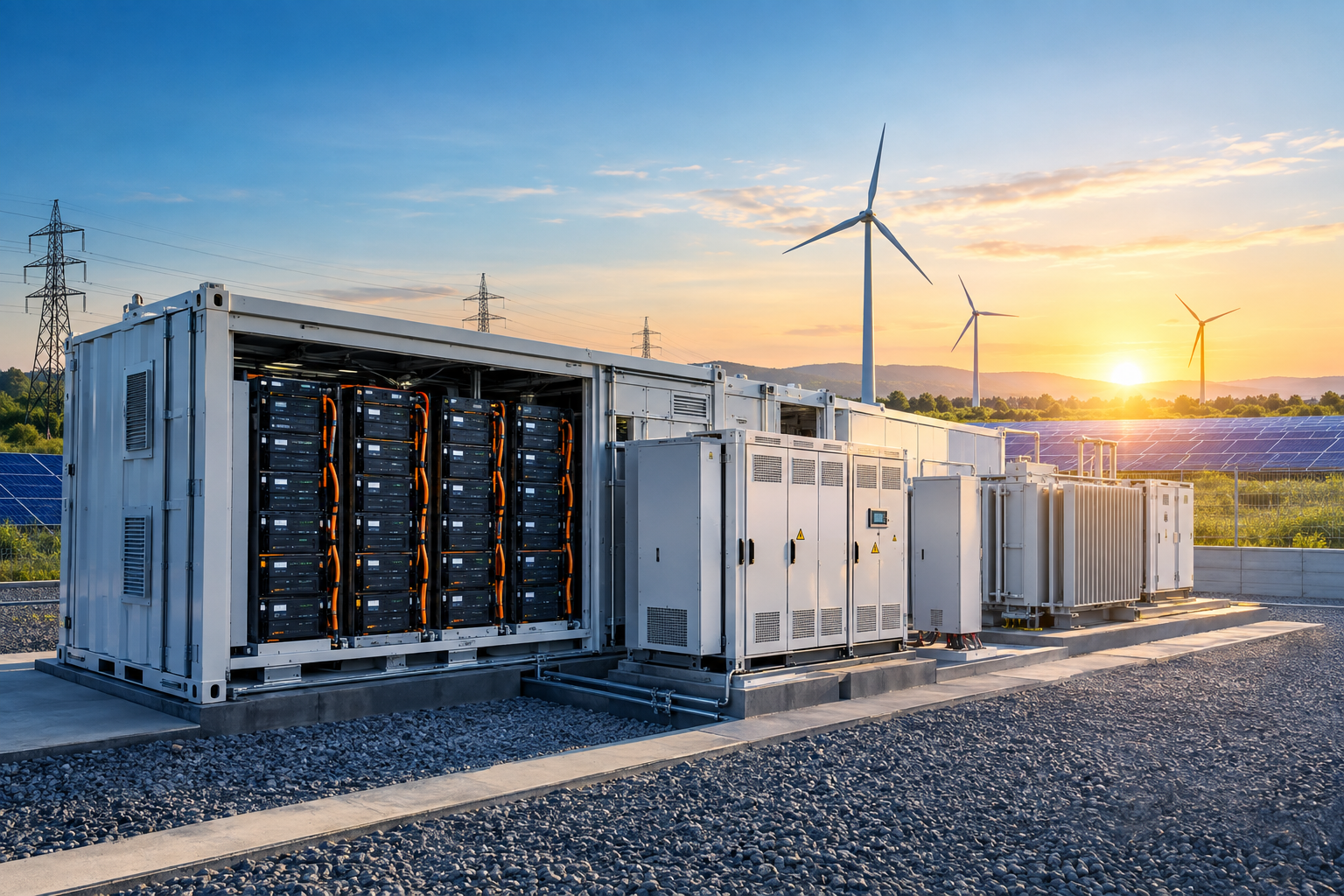
C. Renewable Energy (Solar, Wind, BESS)
Clients: Adani, Tata Power Solar, NTPC Renewables
Certifications:
D. Manufacturing & Automation
Clients: Siemens, ABB, Bosch, Mahindra, Tata Motors
Certifications:
6. Certification Process in India
A. BIS Certification
Timeline: 4–12 weeks
B. PESO Approval
Timeline: 8–20 weeks
C. IS/IEC Compliance
Timeline: 2–4 weeks
D. ISO Certification
Timeline: 4–8 weeks
7. Common Mistakes Indian Manufacturers Make
8. Final Thoughts — Certifications Are Your Competitive Advantage
India’s industrial market is now quality-driven, safety-driven, and audit-driven.
BIS, IS/IEC, PESO, and ISO aren’t just paperwork—they are:
Manufacturers who invest early in certification enjoy:
In 2025 and beyond, certification IS the new currency of Indian manufacturing.